The 3-3-3 Rule for Dogs: What Are the Phases of Adoption? (Vet-Approved)



In this article
Making the decision to adopt a dog is often life-changing and worthwhile for both you and your new dog. While dogs are known as man’s best friend, it still takes them time to get used to life in a new home and family. So, it’s important to have realistic expectations and anticipate that there will be some challenges that you and your dog face as you learn to live together.
The 3-3-3 rule was developed to help dog owners navigate their first 3 days, 3 weeks, and 3 months of life with their newly adopted dog.1 It’s a great reference that can help you know what to expect and what you can do to help your dog adjust to their new life with you. Let’s take a look at the expectations that the 3-3-3 rule lays out for new dog owners.

3 Days
Dogs can act differently when they step into their new home. Some dogs can be excited, while others are shy and hesitant. For most dogs, moving to a new home is often an overwhelming experience and they are often in an inhibited state. Therefore, it’s important to create a comfortable space for your dog during their first 3 days in your home.

Create a Safe Space
Before you bring your dog home, make sure to set up a safe space for your dog. This space should be in a quiet and comfortable room with minimal noise disturbances. Place a cozy bed, food and water bowls, and a few fun toys in this space. When you bring your new dog home, bring them to this space and give your dog time to explore on their own.
Give Your Dog Time to Settle In
Refrain from inviting other people and pets to meet your dog during the first few days. It’s also recommended to let your dog out for potty breaks but not go on long walks just yet. Give your dog time to settle in first and get used to their new surroundings. Spend as much time with your dog without breaching their comfort level. Let them approach you first and give them gentle pats and scratches. You can also try giving them some treats to help them feel more comfortable around you.


3 Weeks
After the end of the first 3 days, you can start to introduce your dog to the rest of your family members. Start with human family members. They can encourage your dog with tasty treats and food, which can help them feel comfortable more quickly. Just don’t force your dog to eat if they don’t want to. Your dog can also start to explore other parts of your home.
Introduce Your Dog to Other Pets
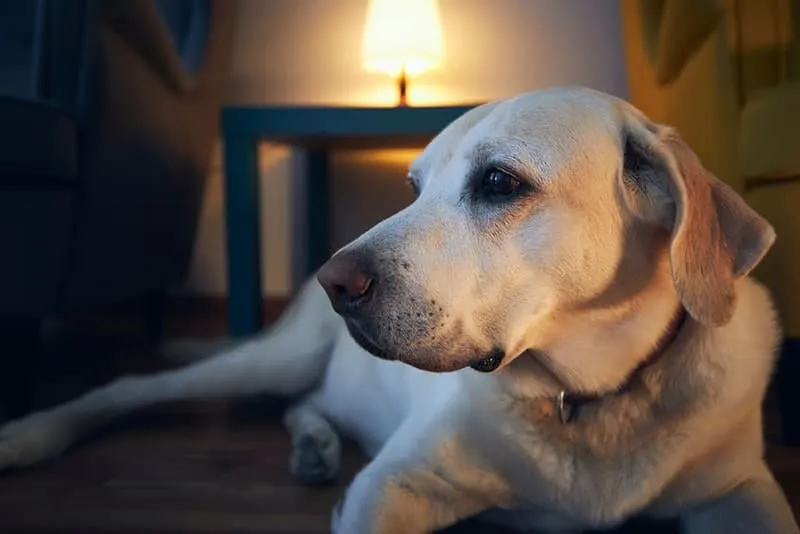
As the weeks progress, you can gradually introduce your dog to other pets. It’s often best to start with a gate between the two pets so that they can just see each other. This will protect both pets from any sudden or startling movements that may cause them to react aggressively. Once your pets get used to seeing each other, you can remove the gate but still have them on leashes. As your pets get more comfortable being around each other, you can unleash them. Make sure to continue to supervise all their interactions during this 3-week period.
Go for Longer Walks
You can also start to take your dog on longer walks during this time. Just keep an eye on their reactions. Some dogs can be shy or timid and may take extra time to get used to walking in a new environment. It’s often helpful to take treats with you to motivate your dog and create a positive association with walking. Rewarding your dog when they are walking on a loose leash helps train them to walk nicely with you.
Begin Training
Dogs will also benefit from starting general training during this time. Getting an early start on training can help immensely with building a strong foundation for your dog. It’s also a great way to bond and establish clear communication between the two of you.
Consult the Veterinarian
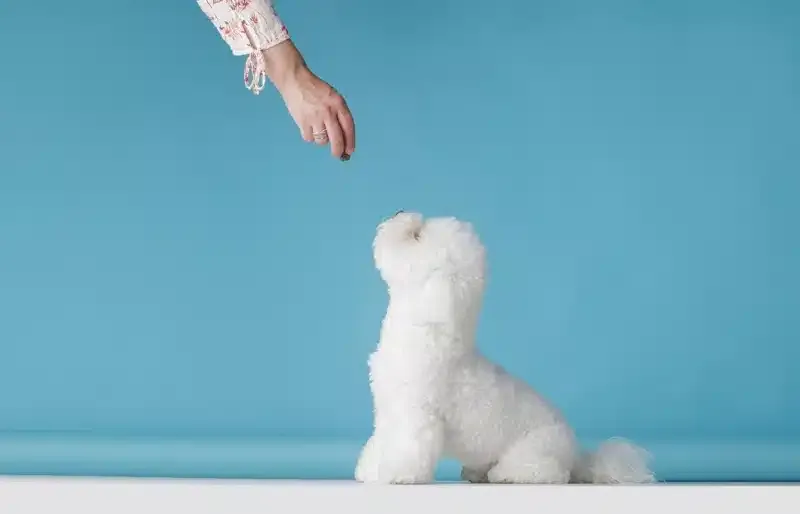
Lastly, make sure to schedule an appointment with a veterinarian within these first 3 weeks. First veterinarian visits typically consist of a physical exam and ensuring your dog is up to date on all their vaccinations. You can also ask the veterinarian about your dog’s diet and nutrition, exercise needs, and other general health care questions.
3 Months
Most dogs start to get comfortable and let their true personalities shine after their first few months in their new homes. They’ll want to spend more time with their family and won’t be as shy when they're inside the house. You’ll also become more familiar with your dog’s preferences, such as their favorite treats, toys, and games that they like to play.

Establish a Routine
It’s important to establish a daily routine during your dog’s first few months at home. Dogs thrive on routines, and routines often reduce anxiety in dogs because they know what to expect throughout the day. Daily routines don’t have to be rigid, with every minute being planned out. Instead, focus on the sequence and succession of events. Therefore, you don’t have to always wake up at the same time every day. However, make sure to start doing the same order of events each morning, such as beginning with a potty break and following it up with a brisk morning walk and breakfast. Try not to mix up this order of events. Your dog will eventually notice the order, and they’ll even start to prompt you on what to do next in their routine.
Handling Difficult Transitions
When adopting a new dog, it’s important to set realistic expectations. Living with a dog comes with significant lifestyle changes for both you and your dog. So, it’s expected that you will face some challenges along the way. If you and your dog are having a particularly challenging time with training, there’s absolutely no shame in enrolling in a class or having solo sessions with a certified dog trainer. Dog trainers can give you practical and individualized tips for effective and fun training sessions. If you are having more serious behavioral issues, like separation anxiety or aggression, consult with your vet or a qualified dog behaviorist for help. It’s also essential to remain calm and patient with your dog. Never yell at your dog if they do something incorrectly. These types of negative experiences can severely impact their self-esteem and usually end up exacerbating behavioral issues. It’s always okay to walk away and take a breather if you find yourself feeling frustrated.
Conclusion
The 3-3-3 rule for dog adoptions provides a general guideline for what you can expect during the first 3 months of your dog moving into your home. It’s important to note that it doesn’t have to be followed exactly, as dogs will have individualized adjustment periods depending on their personality, age and previous experiences. So, make sure to pay attention to your dog’s behavior and look for signs of both comfort and discomfort. Being mindful of your dog’s adjustment to their new home can help them get used to their new life faster and help you understand your dog better. With time and patience, your dog will start to thrive in their new home and inevitably become a loving and beloved member of the family.
See also:
Sources
Featured Image Credit: Anton Gvozdikov, Shutterstock
Expert dog care, straight to your inbox
News, insights, expert advice, and everything dog.

No spam — unsubscribe anytime.
By signing up, you agree to our Terms & Conditions and Privacy & Cookies Policy.
How useful was this post?
Click a star to rate. You can leave written feedback afterwards. (We read all feedback.)
Jessica is a freelance writer who spends bigger part of her day researching and writing while her furry companion Cavapoo, Nora, snoozes beside her. She loves dogs, pets and animals because there’s so much to learn from them, and they do so much for us. As a dog mom, she understands the strong connection that pet parents have with their pets. So, she loves sharing helpful information that pet owners can use to better understand their beloved pets. When she isn't writing, you may find her walking dogs, tending to her plants, or drinking her nth cup of coffee.