How Long Does It Take a Rescue Dog to Bond With You? Vet-Verified Facts & Advice


In this article
Bringing a rescue dog into your home is a wonderful thing to do, but it comes with its own set of challenges. For example, how long will it take for your new rescue pup to bond with you? Unfortunately, there’s no straightforward answer to that question: It depends on the dog’s unique history and personality.
However, certain factors can influence the bonding process, and the good news is that studies suggest that dogs rescued from shelters tend to bond quickly with their new humans.1
Let's discuss the dynamics of bonding with a rescue dog and how to ensure a smooth transition for you and your new furry friend.

How Long Does It Take on Average to Bond With a Rescue Dog?
Although some dogs may experience love at first sight, many need time to develop a strong bond.
In fact, the time that it takes for a rescue dog to bond with you can vary greatly depending on several factors. Some dogs may warm up to their new owners within a matter of days, while others may take weeks or even several months to fully trust and bond with their new family. Factors like the dog's past experiences, temperament, and breed characteristics all play a role in the bonding process.
Rescue dogs often come from a range of backgrounds, ranging from abusive situations to loving homes that could simply no longer care for them. Also, living in shelters tends to be highly stressful for most dogs. As a result, they may have different levels of confidence and socialization skills. There may also be a "honeymoon period" after adoption, during which, your rescue dog will not display their full repertoire of positive or negative behaviors until they become more comfortable in their new home.
This is why it is essential to be patient and understanding during this transition period. Your new friend will need time and space to adjust to their new life, so prepare accordingly, and don't rush them.
Common Issues With Rescue Dogs
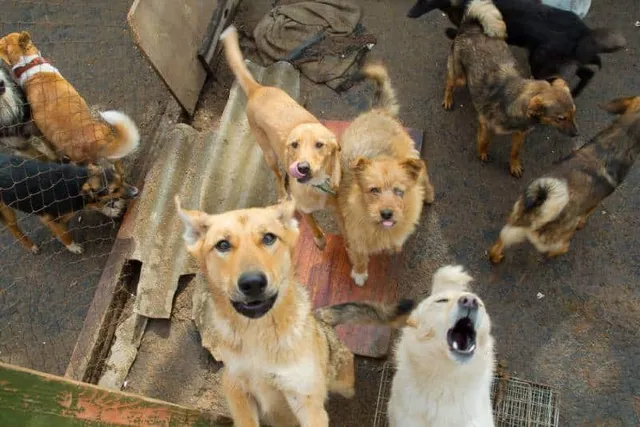
Each year, approximately 2 million dogs from shelters across the United States are lucky enough to be adopted by loving families.2 But time in a shelter is not easy for these dogs. It is filled with stress from unfamiliar smells, sounds, and people, in addition to the distress of being separated from their previous family (in the case of dogs that have been abandoned). All this stress can lead to behavioral changes.
Once adopted, another adaptation period begins, the “honeymoon period.” During this time, a dog's behavior can change dramatically as they settle into their new environment. It may take weeks or even months for their true behavior to manifest. Common behaviors during this adjustment include aggression toward strangers, high excitability, sensitivity to touch, training difficulties, and separation-related issues. Even after 6 months, some dogs still show increasing levels of aggression toward strangers, touch sensitivity and chasing behaviors.
Interestingly, behaviors like attention-seeking and separation anxiety tend to decrease over time. This suggests that as dogs become more confident and secure in their new homes, they rely less on constant proximity to their owners. They can even learn routines from their pet parents, reducing the need for attention-seeking behaviors.

Why It’s Important to Lower Your Expectations
Many people are more than happy with their decision to adopt a rescue dog, but some end up taking their new pets back to the shelter, which can be stressful for the owners and the dogs.
In a 2022 study, the researchers examined dog adopters' expectations before adoption and their experiences with their new pets in the days, weeks, and months following adoption, to understand the risk of the adopted dog being returned to the shelter.3 They found that owners who returned their dogs within 3 months had higher expectations regarding the animals’ health, behavior, and human-dog bond than those who did not return their newly adopted pet. Most owners experience behavioral problems after adoption, but problems like training difficulties and fear-based behaviors tend to improve over time. This study demonstrates the importance of having realistic expectations when it comes to adopting a dog from a shelter.
Indeed, the researchers revealed differences in expectations between owners who returned their dogs and those who did not. Those who brought the dogs back to the shelter generally had higher expectations for the animals’ behavior, hoping for a friendly attitude toward children, fearlessness in new situations, and non-destructive behavior.
It seems that having such high expectations may lead to dissatisfaction with a rescue dog's behavior, whether it is appropriate or not. Unrealistic expectations can also affect the development of the bond between the owner and their rescue pet. Some people may underestimate the time that it takes for a dog to adjust to a new home and form a strong bond with them, ultimately leading to dissatisfaction and a higher likelihood of returning the animal.
On a more positive note, the study also found that certain aspects of the dogs’ behavior improved during the first 4 months after adoption. For example, training difficulties decreased significantly over this period, suggesting that the dogs became more obedient and less distracted as they adapted to their new environment and bonded with their owners.
How to Bond With Your Rescue Dog
Building trust with any animal takes time and patience, but even more is needed for a rescue pup that may have had a tough life before crossing your path. Above all, don’t rush this important bonding process; let your rescue approach you on their own terms.
Here are a few tips to help you gain your new furry friend's trust:
- Create a consistent daily routine that your dog can rely on. Although shelters can be traumatic for some dogs, they do provide stability in feeding and walking schedules. You can ensure that your dog feels safe in your home by following roughly the same schedule as the shelter to ease the transition.
- Never punish your dog physically or verbally. This may only create more fear and lead to problematic behavior.
- Respect their space. While spending quality time with your new dog is vital, you’ll also need to respect their need for space and independence. Allow your dog to retreat to a quiet area if they feel overwhelmed or anxious, and avoid forcing interactions when they're not ready.
- Use positive reinforcement. Rewarding good behavior will encourage your dog to repeat it and help create a positive association with you as their caregiver.
Seek professional help if you need it. If you're struggling to bond with your rescue dog or encountering behavioral issues, seek guidance from your vet or a professional dog trainer or behaviorist.
What’s the 3-3-3 Rule?
The "3-3-3" rule is a standard guideline used by many humane societies and shelters to gauge how long it takes for a rescue dog to adjust to their new family. It refers to the following schedule:
- During the first 3 days, expect your dog to feel anxious and nervous as they adapt to their new environment. Give them space and time to settle in without pressure.
- In the next 3 weeks, you can start to focus on building a bond and trust through training and positive experiences. Behavioral issues might start to become apparent.
- Within 3 months, you should aim to solidify your long-term relationship based on love and rules. Be patient and understanding, especially if your dog shows signs of fear or anxiety. Continue practicing your training with positive reinforcement methods.
It is essential to note that this “rule” is more of a general guideline since every rescue dog is unique and will adapt to their new home differently.
Tips for Keeping Your Rescue Dog Safe and Sound
Besides focusing on bonding with your rescue dog, you should prioritize their safety and well-being. Here are a few tips to ensure that your new furry friend stays safe and sound:
- Get IDs for your dog. Make sure your rescue dog wears a collar with up-to-date identification tags, including your contact information. We strongly suggest that you microchip your dog for added security, in case they ever get lost. In many places in the world, this is a legal requirement.
- Health care. Ensure their vaccinations are up to date and that they’ve had a thorough check-up with your vet.
- Keep a close eye on them. Always supervise your dog when they're outdoors, especially in unfenced areas or near busy roads. Use a leash or harness to keep them secure during walks, and never leave them unattended in a yard or public space.
- Ask shelter volunteers for advice. These caring people are usually the ones who have spent the most time with your dog. They may be able to give you advice on overcoming specific behavioral difficulties as your new dog adjusts to their new forever home.
Bottom Line
Bonding with a rescue dog can take time and patience, but if you are consistent, stick to the process, and respect your dog's pace, the rewards will be worth it. Remember that newly adopted dogs may exhibit unwanted behaviors in the first few months but typically improve over time. So, if you are patient and work daily on reinforcing your rescued pup's trust, you will soon have an incredibly rewarding relationship with your precious new friend. Keep on going!
Sources
Featured Image Credit: tomas devera photo, Shutterstock
Expert dog care, straight to your inbox
News, insights, expert advice, and everything dog.

No spam — unsubscribe anytime.
By signing up, you agree to our Terms & Conditions and Privacy & Cookies Policy.
How useful was this post?
Click a star to rate. You can leave written feedback afterwards. (We read all feedback.)
A biologist and science writer, Genevieve has a special fondness for capuchin monkeys, pumas, and kangaroos, which has inspired her to volunteer and work at wildlife rehabilitation centers in countries like Bolivia, Guatemala, Canada, and Australia. Now living as a Canadian expat in Argentina, she enjoys the sight of horses and cows outside her home office window every morning. Genevieve is the proud owner of three rescue dogs—Lemmy, Nala, and Pochi—and a lively kitten named Furiosa. She finds happiness and fulfillment in sharing her passion and extensive knowledge of animals with others.