3-Month-Old Puppy: Vet Approved Guide of What to Expect

In this article
Welcoming a new puppy into your home can be an overwhelming experience. At 3 months old, your fluffy bundle of joy is at a crucial stage in their development, and as a new owner, you may not know how to care for them to ensure that they become a well-rounded adult dog. But don’t worry—we’ve got you covered with this guide.
Read on as we explore what you should expect at this age, so you can navigate this phase of puppyhood in the best possible way!

Behavior
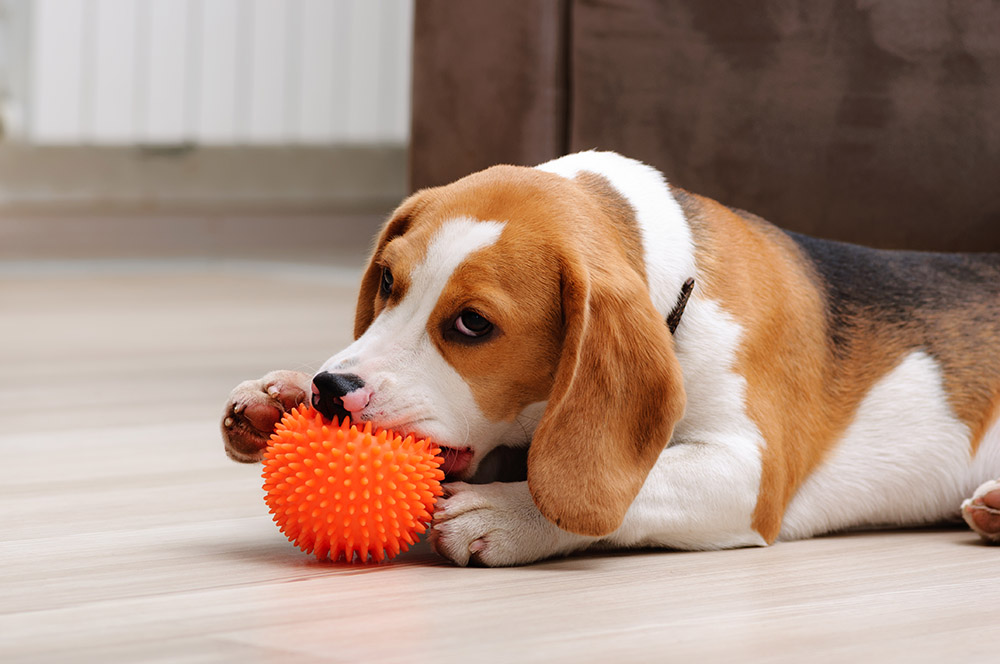
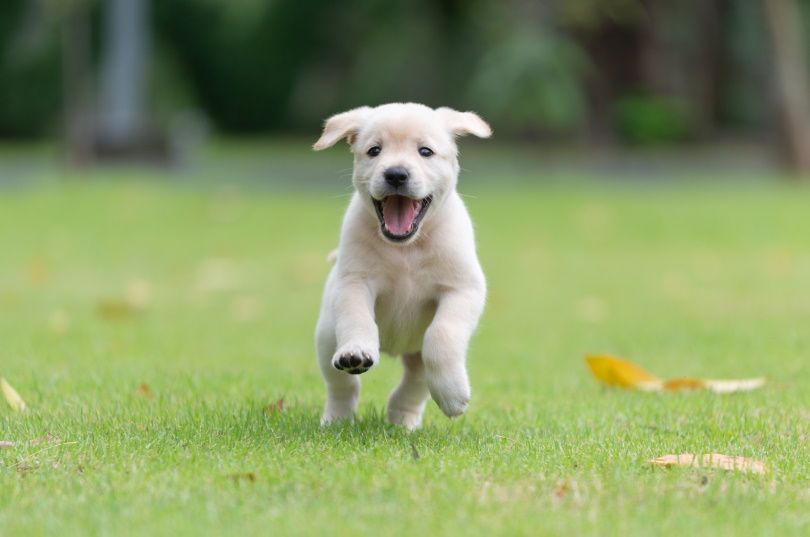
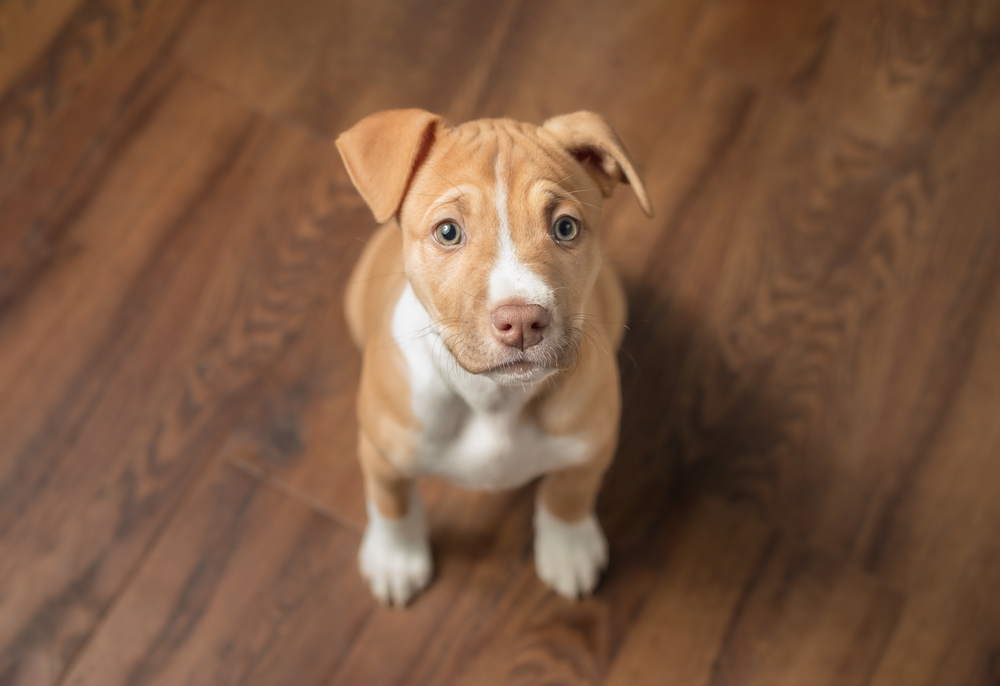
A 3-month-old puppy's behavior is characterized by nipping and chewing, sudden bursts of energy followed by almost comatose naps, plenty of curiosity and exploration, and of course, mischief!
At this stage, you can also expect them to start teething, which explains their obsession with chewing everything that comes their way. Biting is how puppies may communicate and express their desire to play, but it is essential to discourage this behavior. Otherwise, you may face more severe problems once they reach adult size.
Start socializing and training your puppy as early as possible, but keep in mind that their attention span is short at this age. So, keep training sessions brief, and focus on basic commands for now, like “sit,” “give paw,” and “lie down.”


Puppy Food Basics
During this stage, choosing high-quality, nutritionally balanced puppy food is critical to support their rapid growth and development. Look for options with essential nutrients like protein, fat, calcium, digestible carbohydrates, and omega-3 fatty acids like docosahexaenoic acid for bone health and brain development.
Feeding Schedule
Typically, by 3 months of age, your puppy will need three to four meals per day. During this time, your puppy could start to lose their chubby belly. Keep puppy-sized portions while their bodies grow. Don’t hesitate to talk with a vet to determine the best feeding plan based on the breed and size of your tiny four-legged companion.
Breed-Specific Growth
Different breeds grow at different rates, so understanding your puppy's breed characteristics will help you monitor their weight and growth rate. Large breeds may generally experience a more prolonged growth period, with a few continuing to grow for up to 2 years, while smaller breeds will grow more slowly and generally stop between 6-12 months of age.
Weight Monitoring
Regularly monitor your puppy's weight to ensure that they are growing at a healthy pace. Consult a vet if you have concerns about your puppy's growth or if you are unsure about their ideal weight range.


Training 🎾
It's best to start training your puppy as early as possible. This way, you can begin to socialize them, prevent any behavior issues before they occur, and teach them basic commands.
Using treats is an excellent way to train your puppy and reinforce positive behaviors. Be sure to choose treats that are appropriate for their size and age, and keep in mind their overall calorie intake. Overfeeding can lead to weight issues, so strike a balance between treats and regular meals.
Crate Training
Crate training is a positive way to create a safe and secure space for your puppy. It aids in housebreaking and provides your puppy with a sense of security. Introduce the crate gradually, using positive reinforcement to associate it with comfort and relaxation.
You can make your puppy's crate extra cozy without breaking the bank. There's no need to buy a fancy dog bed, as all the chewing is likely to ruin it, anyway. Instead, place down a few soft, cheap blankets for a cozy spot. Toss in a few puppy-friendly toys, and you're all set! If possible, keep the crate in your bedroom so your pup feels close to their new family.


Exercise 🐕
As you might expect, a 3-month-old puppy is bursting with playful energy. The best way to get them to use up their energy without harming the development of their bones is to aim for one or two short walks of about 5 minutes for each month of their age (so, currently, about 15 minutes). Don't overdo it, and avoid jogging with your little one for now, as the impact of running or too much exercise could lead to injury and improper development.
Socialization
Properly socializing your puppy during this critical phase of their development will have a positive impact on their long-term behavior. Therefore, do not neglect this essential step in their transformation into a confident, happy, and balanced adult dog. Introduce your puppy to new people, animals, objects, places, and other unfamiliar things, but always do it gradually so as not to frighten them. Joining puppy classes is another fun way to strengthen their social skills—and yours too! Just be sure to only associate with dogs that aren’t showing signs of illness and that have been vaccinated.

Sleep Requirements
Puppies need plenty of sleep to support their growth and development. At 3 months old, your puppy may sleep up to 20 hours per day! Ensure that they have a comfortable and quiet place to rest, and establish a consistent bedtime routine to promote healthy sleep habits.
Here are tips that can help make your puppy sleep more soundly:
Grooming ✂️
Grooming your 3-month-old puppy involves gentle brushing to prevent tangling, using a puppy-friendly shampoo for a bath about once a month, and occasionally trimming their tiny nails. You can also introduce them to cleaning their ears with a damp cotton pad and brushing their teeth. If your puppy has long hair, you can take them to a professional dog groomer for a whole new experience.
Once your puppy is 3 months old, it's time to start using shampoo and conditioner. Make sure to choose products that are designed for dogs and that are pH balanced. If you're in a hurry or your pup seems too reluctant to get in the water, consider using dog wipes.

Healthcare
During this stage, your puppy's vaccine schedule is ongoing. While it's great to let them explore, ensure safe interactions with familiar vaccinated pets to reduce disease risks. Make sure you’re taking your pup in for regular veterinary visits, which likely won’t be a problem if you’re on a proper vaccination schedule. A vet will be able to make recommendations on diets, treats, and other essentials and make sure they are growing and developing as they should.
Vaccines and Boosters
Your puppy will visit the vet frequently for vaccines, as puppies require multiple boosters. The distemper combination series usually starts between 6 and 8 weeks and ends around 12-16 weeks with rabies available after 12 weeks of age. Talk to a vet about non-core vaccines (such as Lyme disease, leptospirosis, and canine influenza) based on your puppy’s lifestyle and local disease prevalence.

Final Thoughts
Adopting a new puppy is a unique experience that is not without its challenges. Like most babies, 3-month-old puppies can be particularly intense during this phase of their development, alternating between exuberant energy, restful naps, frequent feeding, nipping, and chewing on everything. But when you know what to expect, navigating and appreciating this short period of your new fluffy treasure’s life becomes more manageable. Make sure to cherish every precious moment with your little one, as they grow up way too fast!
Sources
Featured Image Credit: anetapics, Shutterstock
Expert dog care, straight to your inbox
Vet-reviewed advice, training tips, and the best of Dogster. Free, and you can unsubscribe anytime.
By signing up, you agree to our Terms & Conditions and Privacy & Cookies Policy.
A biologist and science writer, Genevieve has a special fondness for capuchin monkeys, pumas, and kangaroos, which has inspired her to volunteer and work at wildlife rehabilitation centers in countries like Bolivia, Guatemala, Canada, and Australia. Now living as a Canadian expat in Argentina, she enjoys the sight of horses and cows outside her home office window every morning. Genevieve is the proud owner of three rescue dogs—Lemmy, Nala, and Pochi—and a lively kitten named Furiosa. She finds happiness and fulfillment in sharing her passion and extensive knowledge of animals with others.
Join the conversation
Ask a question, share your story, or send private feedback.