Is Food Coloring Safe for Dogs? Health Facts & FAQ

In this article
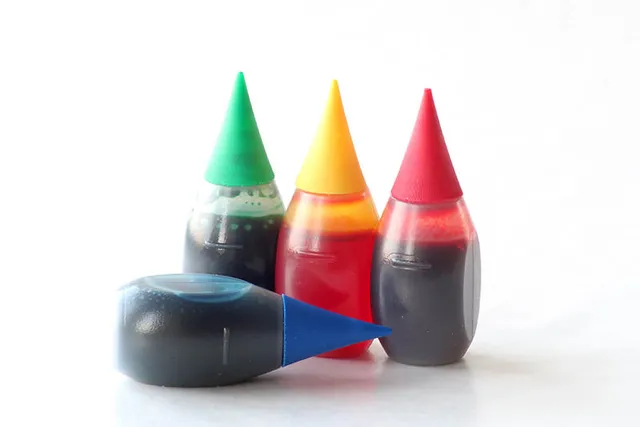
Food coloring, or color additive, is any dye, pigment, or substance that imparts color when it is added to food or drink. Food coloring has always played a role in the food industry for multiple reasons. It makes processed food look more appealing, as the food tends to lose its natural coloring during processing. Food coloring would also help cover up the fact that food was old or inferior in some way. Nowadays, food coloring is not only added to commercially processed foods but is also utilized in homes throughout the world to color food that is prepared in the kitchen. For instance, many people choose to color cake frosting so it isn’t white and boring.
So, if food coloring can be safely used in human food, is it safe for dogs? Yes, there are specialized food colorings that are safe for dogs, but not all of them are. Let’s explore the matter here!

The Past and Present of Food Coloring
The earliest use of a non-organic source of food coloring can be traced to 1856, when William Henry Perkin discovered the first synthetic organic dye, called mauve, a by-product of coal processing. This was followed by more synthetic dyes rapidly being introduced to the food industry, sparking debate on the health implications of these dyes.
In 1906, the United States government officially introduced legislation to address with the Food and Drugs Act, also known as the Wiley Act, followed by a list of approved food coloring options in 1907. The Act and list of approved colors have since then been modified many times as research advances.
The Food and Drugs Administration as we know it today was founded in 1927 and was handed the responsibility of enforcing the act as well as monitoring the list of approved food dyes.

Food Coloring Is Routinely Added to Commercial Dog Food
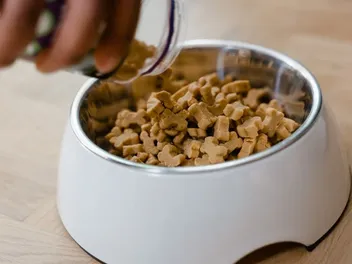
Food coloring is routinely added to commercial dog food simply to make it more visually appealing to humans. Our canine friends have different color perception than we do and possess dichromatic vision, meaning that they can only discern between blue and yellow. Dogs don’t really care what their food looks like. In fact, odd as it may seem to us, our canine friends interpret most of the world through their sense of smell, not their vision!
The truth is that food coloring does not make food more tempting to dogs because they don’t perceive colors the same way that we do. Some dogs may even be allergic to or get an upset stomach from certain food dyes. This also includes natural food dye options like saffron and paprika. Therefore, potentially risking a food complication by adding visual appeal just for us isn’t worth it for our canine friends.

Should You Add Food Coloring to Homemade Dog Food and Treats?
If you make your dog homemade food, snacks, or treats, you may be tempted to add food coloring so the food is more appealing. The truth is that food coloring does not make food more tempting to dogs because they don’t perceive colors the same way that we do. So, there is no need to add food coloring to any food that you prepare for your dog.


In Conclusion
While there are several approved food colorings that may be used in dog food preparations, none of them offer any nutritional benefits to our canine friends. To avoid potential complications with an allergic reaction, adding food coloring of any sort (artificial or synthetic) isn’t advised when you’re preparing/cooking food for your dog. Therefore, there is no need to add it to a dog's food. The only reason that it is added to commercial dog food is to appease owners who must look at the food when providing it to their pets.
If you’re worried about food coloring in your pet’s food, you can gradually transition your dog to a brand that doesn’t use coloring, provided it is an appropriate alternative for your dog.
It is best to discuss any doubts or confusion about your dog’s diet, nutritional requirements, and the best food transition methods with a canine nutritionist or your vet.
Related Read:
Featured Image Credit: Yakov Oskanov, Shutterstock
Expert dog care, straight to your inbox
Vet-reviewed advice, training tips, and the best of Dogster. Free, and you can unsubscribe anytime.
By signing up, you agree to our Terms & Conditions and Privacy & Cookies Policy.
Rachael has been a freelance writer since 2000. In this time she has had an opportunity to research and write about many different topics while working to master the art of fusing high-quality content with effective content marketing strategies. She is an artist at heart and loves to read, paint, and make jewelry. As a vegan, Rachael is obsessed with helping animals in need, both in her community and anywhere in the world where she feels she can make a difference. Animals also happen to be her favorite topic to write about! She lives off the grid in Hawaii with her husband, her garden, and her rescue animals including 5 dogs, a cat, a goat, and flock of chickens.
Join the conversation
Ask a question, share your story, or send private feedback.