When Was Dog Food Invented? History, Facts & FAQ


In this article
Do you know when dog food was invented? The answer may surprise you! Dog food has a long and complicated history, and the way we feed our dogs today has changed a lot over the years. In this post, we'll take a look at the history of dog food, as well as the ingredients that are used in commercial pet foods today. We'll also discuss the benefits of feeding your dog a homemade diet, and offer tips for transitioning your dog to a new type of food. Finally, we'll take a look at the risks associated with feeding your dog commercial pet food.

The History of Dog Food
The first commercial dog food was invented in the 1860s by James Spratt, an Englishman living in New York City. Spratt's Patent Meat Fibrine Dog Cake was made from a mixture of wheat meals, vegetables, and meat scraps. It was intended to be fed to working dogs, and it quickly became popular among dog owners in the United States and Europe.

Kibble Goes Mainstream
In the early 1900s, new companies began marketing dry kibble foods that were based on Spratt's original formula. These foods were initially designed for military working dogs, but they soon became available to the general public. Today, dry kibble is the most popular type of commercial dog food on the market.
Dog Food Ingredients Get Better
The ingredients used in commercial dog food have changed a lot over the years. In the early days of commercial pet food, many products were made from leftover meat scraps and table scraps. However, as public awareness of pet nutrition grew, manufacturers began to include more nutritious ingredients in their foods. Today, most commercial dog foods contain meat, grains, vegetables, and added vitamins and minerals.
Some people believe that the quality of commercial dog food has declined in recent years. This is due to the inclusion of cheaper ingredients such as fillers and by-product meals. However, there are still many high-quality commercial dog foods available that are made with healthy ingredients.

When Was Wet Food Invented?
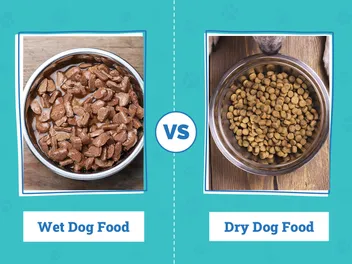
Wet food was first introduced in the 1930s and became popular in the 1940s. It was originally sold in cans and was intended to be fed to sick or convalescing dogs. Today, wet food is available in a variety of formulations and is often used as a complement to dry kibble.
Wet food can be a good option for dogs that are picky eaters or that need to gain weight. It is also easier to digest than dry kibble, making it a better choice for dogs with sensitive stomachs.
When Were Commercial Dog Treats Invented?
Commercial dog treats were first introduced in the early 1900s. The first dog biscuits were made from wheat flour, meat scraps, and molasses. Today, there is a wide variety of dog treats available, including biscuits, bones, chews, and rawhide.
Do Dogs Need Treats?
Dog treats can be a great way to reward your dog for good behavior or to train them to perform tricks. However, it's important to choose healthy treats that are low in calories and fat. Too many treats can lead to weight gain and other health problems.

How to Choose the Right Dog Food for Your Pet
Choosing the right dog food for your pet can be a challenge. There are so many more products on the market today than in our history, and it can be difficult to know which one is best for your dog. The first step is to consult with a veterinarian. They can help you choose a food that is appropriate for your dog's age, breed, and health condition.
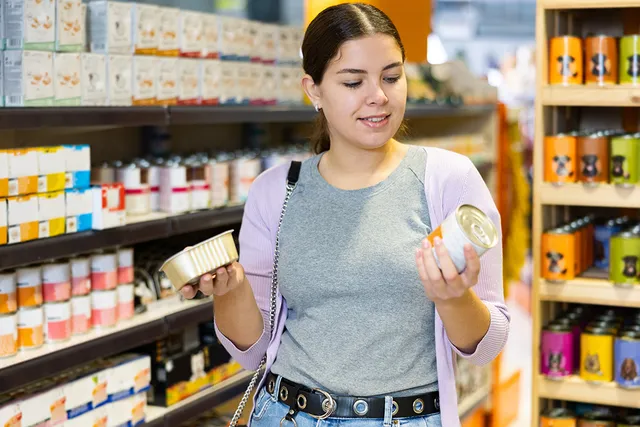
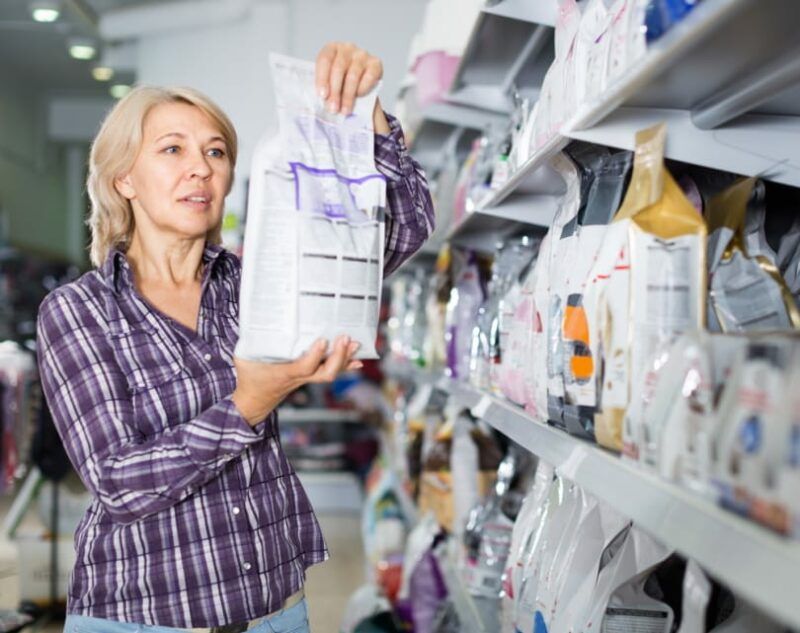
Once you've narrowed down your options, take some time to read the labels on each product. Pay attention to the ingredients list and make sure that the food contains high-quality ingredients that will benefit your dog's health. Avoid foods that contain fillers, by-products, or artificial additives.
What Did Dogs Eat Before Commercial Dog Foods Were Invented?
Before commercial dog food was invented, dogs were typically fed a diet of table scraps or raw meat and bones. This diet is sometimes called the "BARF" diet, which stands for "bones and raw food." The BARF diet is still popular among some dog owners today.

Is It Safe to Make My Own Dog Food?
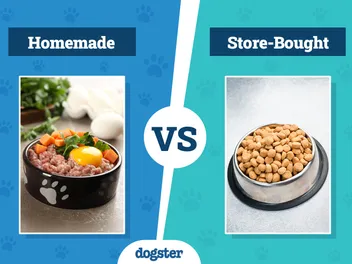
There are a few advantages to feeding your dog a homemade diet. First, you know exactly what ingredients are going into your dog's food. Second, you can tailor the diet to your dog's specific nutritional needs. For example, if your dog has allergies, you can choose ingredients that will not trigger an allergic reaction. Finally, feeding your dog a homemade diet can be less expensive than buying commercial pet food. You must understand that feeding a homemade diet is challenging as dogs have very specific nutritional needs. Homemade diets need to be carefully planned and supplemented to be complete and balanced. DIY fresh dog food kits provide specific recipes and supplements to ensure your homemade diet provides your dog with everything it needs.
Is Commercial Food Healthier for Dogs Than Table Scraps?
Most commercial dog foods are designed to be nutritionally complete and balanced. This means that they contain all of the nutrients that your dog needs to stay healthy. Table scraps, on the other hand, are often lacking in essential nutrients like protein, fat, vitamins, and minerals. Feeding your dog a diet of table scraps can lead to nutritional deficiencies that can cause health problems. They, however, can be a great supplement to your dog's food to add up to their nutrition but you need to make sure they are prepared with dog-safe ingredients and cooking procedures.

Are Dog Foods Inspected for Safety?
All commercial dog foods are required to meet certain safety standards. In the United States, pet food is regulated by the Food and Drug Administration (FDA). The FDA requires all pet foods to be manufactured in a clean and safe environment. They also require that all ingredients be listed on the label and that the food meets certain nutritional requirements.
In addition to the FDA, many pet food companies are members of voluntary organizations such as the Pet Food Institute (PFI) or the American Association of Feed Control Officials (AAFCO). These organizations help to ensure that pet foods are safe and nutritious.
Is It Better to Make My Own Food?
It is important to note that homemade dog food does not always meet all of the nutritional requirements that commercial dog foods do. Only you can decide if you should make your own dog food. If you decide to make your own dog food, be sure to consult with your veterinarian first. They can help you create a balanced diet for your pet. You should also research recipes carefully and only use ingredients that are safe for dogs.

Is Cheap Pet Food Good for Your Dog?
Cheap pet food is not necessarily bad for your dog, but you do get what you pay for. In general, cheaper foods will contain more fillers and by-products than premium foods. Fillers are ingredients that are used to bulk up the food and add calories, but they don't provide much in the way of nutrition. By-products are parts of animals that are not typically consumed by humans, such as organs or bones.
Other Problems With Cheaper Foods
While cheaper foods may be fine for some dogs, others may benefit from a better-quality diet. Dogs with allergies or sensitivities may do better on hypoallergenic food that is made with high-quality ingredients. Active dogs or those that are prone to weight gain may need food that is higher in protein and fat to help them maintain a healthy weight.
Talk to a veterinarian about your dog's specific needs and they can help you choose a food that is right for them. Remember, the most important thing is to make sure that your dog is getting the nutrients they need to stay healthy and happy.
Tips for Transitioning Your Dog to a New Type of Food
If you're thinking about transitioning your dog to a new type of food, it's important to do it slowly and carefully. Introduce the new food gradually, mixing it in with their old food until they are eating only the new food. This process can take several weeks, so be patient! If your dog is resistant to the change, try adding some tasty toppings to their new food to make it more appealing.
Transitioning to a new diet can be stressful for both you and your dog. But if you take the time to do it right, you'll set them up for success!

The Risks Associated with Feeding Your Dog Commercial Pet Food
While there are many high-quality commercial dog foods available, there are also some risks associated with feeding your dog this type of food. One of the biggest dangers is the possibility of contamination and excessive supplementation. Commercial pet food is often made in large factories, and there have been several cases of contaminated food and formulation mistakes with products sickening or killing dogs.
The Bottom Line
The bottom line is that you get what you pay for when it comes to pet food. Cheaper foods will contain more fillers and by-products, while premium foods are made with higher-quality ingredients. Talk to a veterinarian about your dog's specific needs and they can help you choose a food that is right for them.
Sources
Featured Image Credit: Caftor, Shutterstock
Expert dog care, straight to your inbox
News, insights, expert advice, and everything dog.

No spam — unsubscribe anytime.
By signing up, you agree to our Terms & Conditions and Privacy & Cookies Policy.
How useful was this post?
Click a star to rate. You can leave written feedback afterwards. (We read all feedback.)
Nicole has loved animals of all sizes her whole life so it's no wonder she has dedicated her career to helping them through what she loves best: learning, writing, and sharing knowledge with others. She’s the proud mom of two dogs, a cat, and a human. With a degree in Education and 15+ years of writing experience, Nicole wants to help pet parents and pets around the planet to live happy, safe, and healthy lives.