When to Switch to an Adult Dog Food? Vet-Approved Facts & FAQ


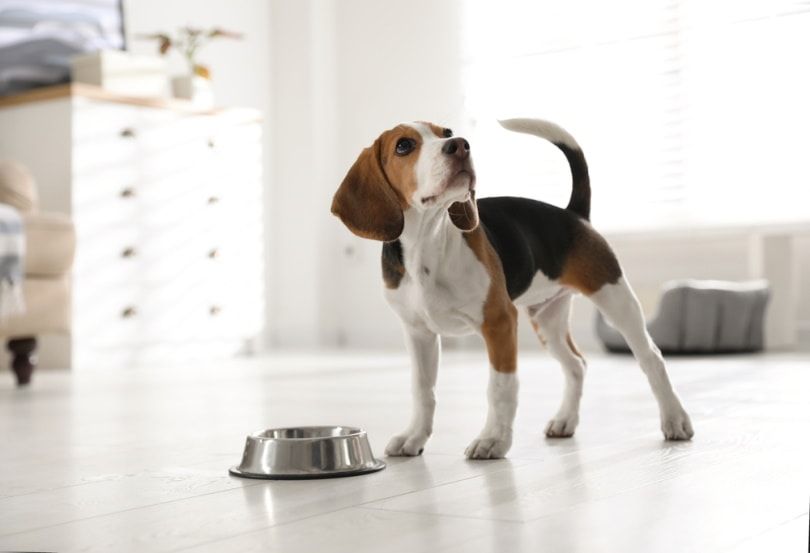
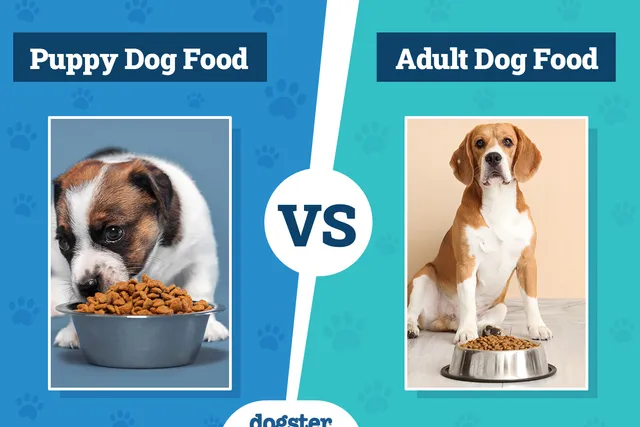
Enthusiastic, sweet and downright fun—puppies are simply wonderful. All it takes is one look from those adorable puppy eyes to hook most people to the point of no return. If you’ve recently been adopted by one of these perfect creatures, you might be wondering how long you should feed your new companion puppy food to ensure they get all the nutrients they need to grow up happy and healthy. Most puppies can safely transition to adult food at some point between 7 months and 1 year of age.1 The transition’s exact time will depend on several factors, including your puppy’s size and breed. Below we’ll discuss several factors to consider when determining when to start introducing your canine baby to adult food.

Breed and Size
Larger dogs require more time to reach maturity than smaller animals like Chihuahuas and Pugs. And just in case you’re wondering, any breed that weighs 20 pounds or less when fully grown is considered a small breed. Breeds with adults weighing more than 20 pounds are classified as medium or large.
Small breed dogs can usually transition to adult food when they’re around 7 to 9 months old. Larger ones, such as Labradors and German Shepherds, often need more time to grow. Some large breeds aren’t ready to make the switch until they’re anywhere from 12 to 14 months old. Your pet should continue to eat puppy food until they’ve stopped growing. So, expect to transition your pup to adult food around the time they’re spayed or neutered.

How Often Should I Feed My Puppy?
It depends on the age of your canine. Very young pups that have been successfully weaned need to eat at least four times a day. At some point between 3 and 6 months of age, your dog should be able to get all the good stuff they need to grow with three feedings per day.
Free feeding, or leaving food out for your pup to eat as they see fit, might not be the best choice for young dogs since it’s crucial to ensure your dog is not getting too much food. Many veterinarians recommend measuring your dog’s food to ensure you’re providing the correct quantity and then only leaving it out for 10 to 20 minutes to keep an eye on your dog’s consumption.
How Often Should I Feed My Adult Dog?
Most veterinarians recommend feeding adult dogs two times per day. It’s essential that your pet is happy, active, and getting all the nutrients they need to stay healthy. For active dogs that aren’t vulnerable to overeating, dry food works best for free-feeding.

Do I Need to Take Any Special Steps to Transition My Puppy to Adult Dog Food?
Yes! Most dogs do better with the switch when the transition is made gradually—usually over a week or so. Start by adding a little bit of the new food to your puppy’s current wet or dry food. Increase the amount of adult food daily as you reduce the amount of puppy chow.
Long and slow transitions allow your dog’s stomach and taste buds to adjust to the new food. If you make the switch too quickly, your dog may experience stomach and digestive difficulties or reject the food entirely because they don’t like the taste of their new grub.
How Much Should I Feed My Puppy?
Puppies are just as individual as humans, and each has their own specific needs. Puppies generally require more calories per kilogram than adult dogs, but the food they eat has to be carefully formulated with the right amounts of fat and calcium to prevent conditions such as obesity and joint problems.
Whatever food you select should come with a daily recommended feeding plan, and it’s usually on the back of the package. Either way, the important thing is to pay attention to your dog’s overall health, activity level, and growth. Puppies tend to be a bit pudgy until they’re around 2 months old. After that, your dog should slim down a bit and take on more of an adult form.
Reviewing the feeding guidelines provided by the pet food company gives you an important starting point for determining your dog’s nutritional requirements, but ultimately, it’s about ensuring your dog’s needs are met. Highly active dogs, for example, often require more food than the recommended daily allowance, and easy-going pups sometimes do well with less food.
Follow your dog’s lead instead of sticking to what’s on the package. If your maturing dog has an hourglass figure and their ribs are easily felt, they’re probably doing fine in the weight department. Being able to see your dog’s ribs, on the other hand, generally indicates they’re underweight.
Make sure you're feeding your dog the right amount, check out our dog food calculator here:
Dog Calorie Calculator
Recommended Daily Calories

The exact amount of calories an individual animal needs to maintain a healthy weight is variable and influenced by many factors including genetics, age, breed, and activity level. This tool is meant to be used only as a guideline for healthy individuals and does not substitute veterinary advice
Should I Opt for Dry or Wet Adult Dog Food?
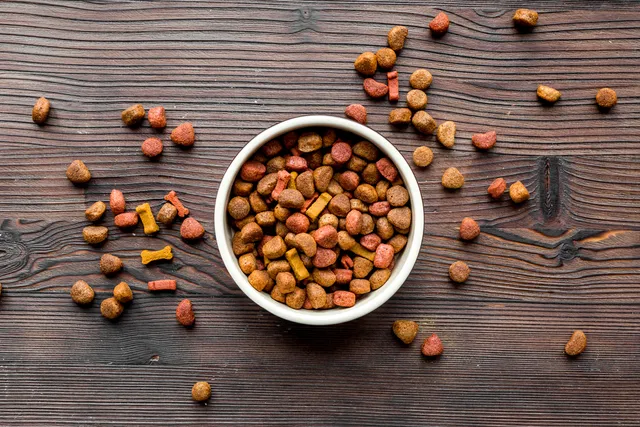
Once your puppy makes the transition to adult food, you can choose to feed them kibble, canned food, or a combination of both. Kibble, or dry food, keeps well and can benefit your dog’s dental health. Wet food often has more protein, and although dogs are omnivores, they need protein to survive. Not getting enough protein can lead to issues such as skin conditions and allergies.
If you’re feeding a large dog, you might lean towards a diet favoring kibble. It keeps well enough that you can purchase it in bulk, which can limit the overall costs associated with feeding your pet. On the other hand, finicky eaters often do well with wet food as it comes in more flavors and tends to be more appetizing. Finally, there are several high-quality wet foods out there, some of which incorporate human-grade proteins and high-quality fresh vegetables, and you can always feed your dog a combination of both!

Final Thoughts
As you can see, the best time to transition a puppy to adult dog food depends on the breed and size of dog, but is usually between 7 months and 1 year. It's best to speak with a vet about the transition, as they can advice you how to do so and what adult foods are best based on your particular dog.
See also: When Does a Puppy Become an Adult Dog?
Sources
https://www.petmd.com/dog/centers/nutrition/when-should-you-switch-from-puppy-to-adult-dog-food
https://www.purina.com/articles/puppy/feeding/how-long-to-feed-puppy-food
https://www.akc.org/expert-advice/health/puppy-feeding-fundamentals/
https://www.aaha.org/your-pet/pet-owner-education/ask-aaha/spay-or-neuter/
https://www.akc.org/expert-advice/vets-corner/neutering-spaying-right-age-dog/
https://bluebuffalo.com/articles/dog/puppy-feeding-guidelines/#
https://pets.thenest.com/can-happen-overfeed-puppy-12007.html
https://www.hillspet.com/dog-care/nutrition-feeding/wet-dog-food-benefits
https://vcahospitals.com/know-your-pet/nutrition-skin-and-dogs
Featured Image Credit: New Africa, Shutterstock
Expert dog care, straight to your inbox
News, insights, expert advice, and everything dog.

No spam — unsubscribe anytime.
By signing up, you agree to our Terms & Conditions and Privacy & Cookies Policy.
How useful was this post?
Click a star to rate. You can leave written feedback afterwards. (We read all feedback.)
Lorre Luther is a writer from Rotterdam. A former lawyer from the United States, she moved to the Netherlands to follow her dreams and become a writer. Lorre enjoys traveling and reveling in the astonishing beauty of our world. She has a soft spot for animals and is firmly convinced that cats are smarter than humans.