10 Foods With Vitamin C for Dogs: Vet Reviewed Nutrition Facts & Info



In this article
Vitamin C, also known as ascorbic acid, is incredibly important for normal immune function in mammals, including dogs. It promotes the activation of white blood cells, which is the body’s principal means of fighting off infection.
It also has some other functions we’ll discuss later. However, dogs are able to produce vitamin C within their bodies, unlike humans, and so don’t need a dietary source. But first, are there safe foods you can offer your dog to get more Vitamin C into their system? Let’s take a look.

The 10 Foods with Vitamin C for Dogs
1. Commercial Dog Food
Most dog food manufacturers use vitamin C to fortify their blends because it’s good for your dog and acts as a preservative. Feeding a high-quality dog food is the easiest option because there’s no preparation involved, and chances are your dog won't turn its nose up at it.

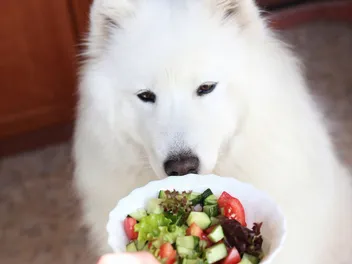
2. Bell Peppers/Capsicum
These non-spicy members of the chili family can be a tasty and refreshing snack for your dog that is packed with vitamin C and lots of other great nutrients. Best served raw, bell peppers can be sliced into strips or bite-sized pieces and served cold on a summer’s day. The seeds are safe to eat; they’ll just make a mess!
Having one of the highest levels of vitamin C of all fruits and vegetables, bell peppers are an ideal ingredient for humans and guinea pigs, too, another species that can’t make their own.
3. Broccoli
Broccoli can be fed to your dog raw or cooked, as long as you don't add any oils or seasoning. You should always serve it in small quantities because the florets contain isothiocyanates which cause gastric irritation in dogs.

4. Brussels Sprouts
The best way to serve Brussels sprouts is to boil, steam, or microwave them for your dog and keep them plain. Steaming will preserve most of the nutrients. Choose firm and green sprouts, wash them, and cut off the stem, so the leaves are left intact.
Steam them for around 5 minutes or microwave them in water for 8 minutes. Boiling will take longer (around 10 minutes) and preserve fewer nutrients. Never serve them raw, as they’ll be too hard to digest.
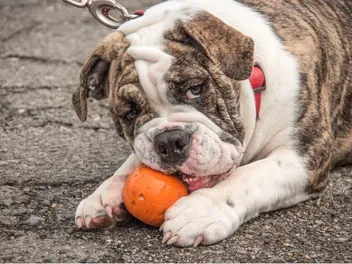
5. Oranges
Oranges are safe for your dog in small quantities, although not all dogs will enjoy the tart taste. Oranges have a moderate sugar content, and if your dog eats too much, it can suffer from gastrointestinal upset. Make sure you peel the orange and remove all the seeds before offering them to your dog.

6. Cauliflower
Cauliflower is considered to be a yummy meat substitute and a nutrient-rich superfood. Dogs can eat it raw or cooked, but, as always, keep it plain. You can sprinkle it over their regular dog food for a crunchy topping or give your dog a small piece as a treat.
7. Carrots
Cooked and raw carrots are good options for dogs, but you should wash and peel them to remove all dirt and pesticides. You must also cut them into bite-sized chunks to prevent choking, especially in smaller dogs.

8. Apples
Peeling an apple will make it easier to digest, and cutting it into bite-sized pieces is essential to prevent choking. You will also need to remove all the seeds, as they contain a small amount of cyanide which is toxic and can harm your dog in large doses.
The apple core and stem could also choke your dog, so removing them is best.
9. Melons
You will first have to remove the seeds and rind from your melon to prevent choking. The rind is also difficult to digest, so it’s best to keep this away from your dog entirely. You will need to cut the fleshy part of the melon into bite-sized chunks before serving it to your dog.

10. Peaches
Peaches cut into safe pieces are a perfect snack for your dog. Avoid canned peaches as they contain high amounts of sugar and might also be treated with artificial sweeteners or preservatives that can upset your dog’s digestive system.
The peach pit is particularly hazardous as it’s a choking hazard and contains amygdalin, a sugar-cyanide compound. A dog would have to consume several peach pits for them to be affected, but it’s still worth remembering, as there is no point in taking the risk. Lastly, if you have a peach tree in your garden, be aware that the leaves and stems contain cyanide.
Frequently Asked Questions (FAQ)
Why Is Vitamin C Important?
Humans need to get Vitamin C from their diets, but dogs can synthesize their own. The American Feed Control Officials (AAFCO) haven’t set a requirement for Vitamin C in food. Vitamin C is an important antioxidant that reduces inflammation and protects the body from dangerous free radicals and premature aging. It also:
What Are the Signs of Vitamin C Deficiency in Dogs?
Vitamin C deficiency is very rare in dogs. A few signs indicate that your dog is suffering from Vitamin C deficiency. These include:
- Frequent bone injuries
- Foul breath
- Joint pain
- Slow wound repair
- Soft bones
- Swollen/bleeding gums
- Weakness
If you notice any of these signs, contact a veterinarian immediately. Vitamin C deficiency is rare in dogs. Also, it’s vital to include a vet in the decision to add a new food to your dog’s diet.
Can Dogs Overdose on Vitamin C?
Thankfully, Vitamin C is water-soluble, and any excess is excreted through your dog’s urine. Occasionally, too much Vitamin C in their diet will lead to diarrhea.
Conclusion
Vitamin C is not needed in your dogs’ diet, and thankfully they can synthesize it themselves. There might be an occasion when you think it’s wise to introduce some Vitamin C-rich foods but remember, before adding any of these suggestions to your dog’s diet, speak to a vet first.
Some foods can cause gastrointestinal upset, especially fruit which is high in sugar—a vet will be able to help you with portions and how often to feed your dog these foods if they are deemed necessary.
Sources
https://www.akc.org/expert-advice/nutrition/can-dogs-eat-asparagus/
https://www.akc.org/expert-advice/nutrition/can-dogs-eat-broccoli/
https://www.akc.org/expert-advice/nutrition/can-dogs-eat-brussels-sprouts/
https://www.akc.org/expert-advice/nutrition/can-dogs-eat-oranges/
https://www.petmd.com/dog/nutrition/can-dogs-eat-cauliflower
https://www.akc.org/expert-advice/nutrition/can-dogs-eat-carrots/
https://www.akc.org/expert-advice/nutrition/can-dogs-eat-apples/
https://www.purina.co.uk/articles/dogs/feeding/what-dogs-eat/can-dogs-eat-melon
https://www.akc.org/expert-advice/nutrition/can-dogs-eat-peaches/
https://www.akc.org/expert-advice/nutrition/vitamins-dogs-need-healthy-lifestyle/its
Featured Image Credit: Budimir Jevtic, Shutterstock
Expert dog care, straight to your inbox
News, insights, expert advice, and everything dog.

No spam — unsubscribe anytime.
By signing up, you agree to our Terms & Conditions and Privacy & Cookies Policy.
How useful was this post?
Click a star to rate. You can leave written feedback afterwards. (We read all feedback.)
Kerry-Ann lives in Scotland and wishes her garden was bigger so she could have her very own Highland cow but thinks her dogs probably wouldn’t like that idea very much. She has a La Chon called Harry who was poorly with a liver shunt when he was a puppy. It wasn't likely he would make it into adulthood, which was difficult to comprehend, but he beat the odds and is a healthy old man now. She also has a Pug called Maddie who is a big foodie. She’s small, sassy, and every day she finds a new way to wind her brother up.
When she isn’t writing you can find Kerry-Ann going for long walks when it isn't raining, reading, or watching cartoons when she should be tidying her house. She would one day like to be a tourist in her own country and travel through the Highlands with her family.