15 Foods With Vitamin E for Dogs: Vet-Approved Options



Vitamin E is an essential vitamin for canines. It is an antioxidant that helps clear free radicals from your dog's body, supports vision, promotes healthy bone growth, helps the reproductive system function, and supports the immune system.
Their food should provide most of the vitamin E needed in your dog's diet, and nearly all dog foods are correctly balanced to ensure they get all the necessary vitamins and minerals. However, if you feel your dog could benefit from a vitamin E boost (and you've checked with a vet that more vitamin E is ok), the following 15 foods are full of it and are great for your dog to eat!

The 15 Foods High in Vitamin E
1. Turnip Greens

Turnip greens are a healthy and tasty treat for dogs that many owners might overlook when preparing turnips. Not only are they low-calorie and crunchy, but they also pack a punch of nutrition. One cup of cooked turnip greens provides about 2.7 milligrams of vitamin E. They are also a good source of dietary fiber, as well as vitamin C and vitamin A.
Turnip greens are also a great source of calcium and iron for your pup; calcium maintains bone and teeth health, helps blood clot, facilitates muscle and nerve function, and keeps the heart healthy. Iron is important for red blood cell function and oxygen transport.
2. Salmon

Salmon (particularly fresh salmon) is another excellent source of vitamin E for dogs and a really tasty and meaty treat for them. Salmon is a great choice for dogs not sensitive to fish for a vitamin E boost that will also benefit the coat and skin.
Half a fillet of salmon provides 2 milligrams of vitamin E, alongside other vitamins and oils, such as omega-3 fatty acids and selenium. Omega-3 fatty acids help protect joints, nourish the skin and coat, and protect your dog's brain from the effects of aging.1 Selenium is an antioxidant; it helps the body remove free radicals and promotes healthy thyroid function.
3. Rainbow Trout

Rainbow trout is a low-calorie and easily sourced fish that provides roughly half the vitamin E of salmon at 2 milligrams per whole fillet. However, rainbow trout is excellent for dogs with sensitive stomachs, as it's easily digestible and provides other health benefits. It contains omega-3, like salmon, and is an excellent source of potassium. Potassium is essential for dogs; it helps to create and regulate the electrical charges that power the heart, muscles, and brain.2
4. Spinach

Spinach is either loved or disliked by dogs, but it's versatile and can be eaten raw or cooked. One hundred grams of raw spinach provides 2 milligrams of vitamin E, which can be easily mixed into your pup's food. Spinach is great for dogs in small amounts, as it contains loads of fiber that can help regulate digestion.
It also has high levels of iron, which is essential for the production of red blood cells. However, too much spinach can upset your dog's digestive system and cause kidney damage.
5. Safflower Oil

Safflower oil is an excellent source of vitamin E for dogs. Only 1 tablespoon of safflower oil provides around 5 milligrams of vitamin E! Safflower oil also contains over 70% linoleic acid, making it a very rich source of omega-6. In addition, safflower oil benefits your dog's skin and coat, protects their joints, and boosts their immune system. Just use it in small amounts, as too much oil can cause digestive upset, such as diarrhea or flatulence.
6. Butternut Squash

Butternut squash is a mildly flavored, crunchy treat that provides 1.3 milligrams of vitamin E per ½ cup (cooked). This fiber-rich snack is high in vitamin C and B-6 and is easy on the digestive system for most dogs.
Vitamin C is an important antioxidant that helps remove free radicals from the body, which cause oxidative damage to tissues. Vitamin B-6 is a water-soluble vitamin, which is important for the synthesis of neurotransmitters and other B vitamins.
7. Broccoli

Broccoli is a staple in many homes and a beloved vegetable known for its health benefits. Half a cup of cooked broccoli will provide your dog with up to 1 milligram of vitamin E. Broccoli can be enjoyed by dogs in moderation, as it is packed full of vitamins, including A, B, C, D, and K, as well as vitamin E. It also contains calcium. However, too much broccoli can be harmful since it contains isothiocyanates, which can cause digestive upset.
8. Blueberries

These sweet berries are a great dog treat, especially if served cold on a warm day! They're healthy and satisfying and provide 0.8 milligrams of vitamin E per cup. Blueberries are low-calorie, making them great for satisfying your dog's sweet tooth when they're on a diet. They also provide vitamin C and vitamin K. Blueberries contain fiber, so too many might cause digestive upset.
9. Sweet Potato

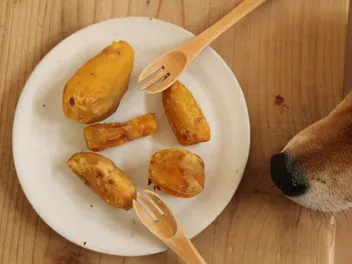
The sweet potato is another staple of many homes, and dogs can reap the same benefits as humans can from the starchy tuber. One sweet potato (with the skin) provides around 1.4 milligrams of vitamin E and a healthy dose of fiber. Sweet potatoes are also a great source of vitamin C for dogs, and they're low in fat, but they should be eaten in smaller amounts for dogs with excess weight or diabetes.
10. Beef Liver

Beef liver is also a source of vitamin E. Two hundred grams of beef liver provides around 1.2 milligrams of vitamin E, and it has many other vitamins and minerals. It's also a great source of zinc and copper, two important and necessary minerals.
In small amounts as an occasional treat, liver can be beneficial to your dog, but too much liver can cause an overdose of vitamin A.
11. Wheat Germ Oil

Wheat germ oil is another oil beneficial for dogs. It contains 20 milligrams of vitamin E per tablespoon and is an excellent source of linoleic acid. Linoleic acid is a source of omega fatty acids that dogs cannot produce by themselves, so they must get it from their diet. Because wheat germ oil is so rich in linoleic acid, it can boost immunity, improve the skin and coat, and protect joints.
12. Peanut Butter

Natural, low-sugar, no-xylitol peanut butter is an excellent treat. Two tablespoons of peanut butter provide 3 milligrams of vitamin E, alongside a slew of other benefits:
- An excellent source of protein
- Rich in B vitamins, such as vitamin B-6
- Contains healthy fatty acids for the skin and coat
Make sure the peanut butter doesn't contain xylitol, however, as xylitol is very toxic to dogs. In addition, peanut butter can be high in calories. While it's a great treat (particularly for training) in moderation, too much can cause weight gain and obesity.
13. Pumpkin

This festive gourd is a staple in the fall, and fresh pumpkin can be given to your dog for a vitamin boost. One hundred grams of pumpkin contains 1.2 milligrams of vitamin E, alongside fiber, vitamins A and C, and iron. Canned pumpkin is perfect for dogs, as long as it's unflavored, unseasoned, and not pumpkin pie filling!
14. Collard Greens

Cooked collard greens are a great source of vitamin E, but most dogs are not fond of the flavor. One cup of boiled collard greens can provide nearly 2 milligrams of vitamin E, and they're a great source of other vitamins and minerals, such as niacin and phosphorus. Collard greens should only be fed in small quantities, even if your dog enjoys them
15. Bell Pepper

Bell peppers are a colorful, crunchy, and healthy treat for dogs that provide a good amount of vitamin E. One cup of raw bell pepper contains almost 2.5 milligrams of vitamin E, alongside vitamins A, B6, and C. They also contain lutein and beta-carotene.
Lutein is very important for your dog's vision, as it is stored in the lens and retina and helps your dog's eyes absorb blue light. Beta-carotene also benefits the eyes, as it improves night vision and works as an antioxidant.
Why Is Vitamin E Important for Dogs?
Vitamin E is vital for dogs, as it helps support many functions in the body and is a powerful antioxidant. Vitamin E supports the reproductive and muscular systems, but it also helps metabolize fats and is involved in cell functions. Without enough vitamin E, dogs can develop vision and eye problems, muscle wasting and degeneration, and reproduction problems.
What About Vitamin E Supplements?
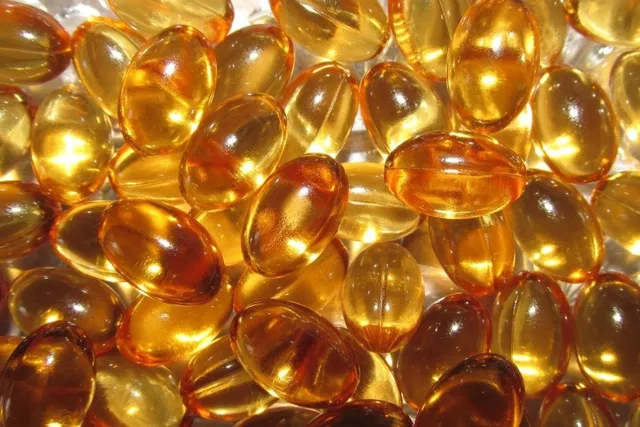
Vitamin E can be found in supplements made especially for dogs, either by itself or as a part of a multivitamin. It's important to consult a vet before giving any supplements to your dog, as most dog food provides complete nutrition and will already contain the correct amount of vitamin E needed.
However, if a vet has given the go-ahead for vitamin E supplementation and your dog won't eat any of the vitamin E-rich foods mentioned above, a supplement could be the answer. Dogs with allergies or skin conditions that cause dryness or itching could benefit from additional vitamin E, but owners should be careful not to cause an overdose. It's rare, but excessive amounts of vitamin E can cause problems with blood clotting in dogs.
Conclusion
Vitamin E is an important vitamin for dogs, and it's almost always provided by your dog's regular dog food. If your vet has said your dog could benefit from additional vitamin E, there are many natural food sources that also provide other vitamins and minerals. There are meat and vegetable sources, but vitamin E supplements in capsules could be the answer for picky dogs.
Sources
Featured Image Credit: Corrie Miracle, Pixabay
Expert dog care, straight to your inbox
News, insights, expert advice, and everything dog.

No spam — unsubscribe anytime.
By signing up, you agree to our Terms & Conditions and Privacy & Cookies Policy.
How useful was this post?
Click a star to rate. You can leave written feedback afterwards. (We read all feedback.)
Beth is a mom to two kids: one with four legs, one with two. Beth has years of practical experience as a veterinary care assistant , working in both the consult and in operating room, expanding her knowledge to gain certification in her favorite subject: feline behavior and welfare! When she's not writing about her favorite topics (cats and creature comforts), she's looking after her daughter and her mischievous Nebelung, Kiba. When she gets a moment to herself, Beth loves to delve into fiction books. Horror is her favorite genre, with fantasy and rich history being her second go-to's.