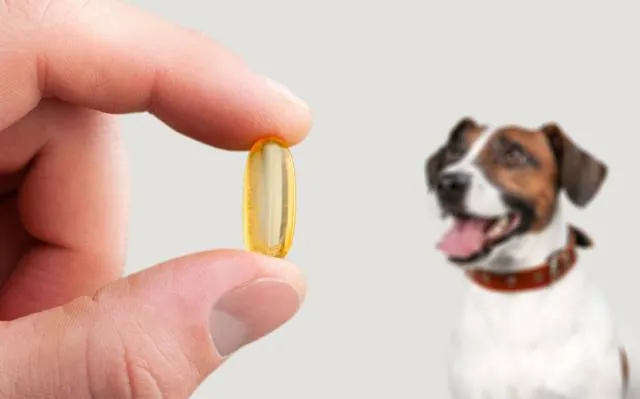
Are There Benefits of Vitamin C for Dogs? Our Vet Answers


Vitamin C, also known as ascorbic acid, is an important antioxidant that is known to offer a variety of health benefits for people. It is a common ingredient in multivitamins, and a supplement many of us reach for during cold and flu season to support our immune systems.
Unlike people, dogs are able to make their own vitamin C.1 The Association of American Feed Control Officials (AAFCO) does not currently list it as a required nutrient in dog food.2
While it is possible that vitamin C supplementation could be helpful for some dogs, we do not currently have strong evidence to show that it has benefits for the average pup. Giving too much vitamin C can actually be harmful, so always check with a veterinarian before adding a new supplement to your dog’s diet.

Do Dogs Need Vitamin C in Their Diet?
Most healthy dogs produce all the vitamin C they need in their liver. Exceptions may include some dogs with portosystemic shunt (PSS) or severe liver disease,3 although not all pups with these conditions need to be supplemented.4
Many pet food companies add vitamin C to their diets, but this is likely because of its use as a preservative agent rather than its nutritional benefit. As previously mentioned, AAFCO does not list vitamin C as a required nutrient for dogs.
Quick Facts About Vitamin C For Dogs
What Are Some Documented Benefits of Vitamin C Supplementation for Dogs?
There has been limited investigation into the benefits of vitamin C supplementation in dogs. A small study of healthy dogs published in 2009 did not find much evidence to support its use for antioxidant or immune-boosting properties, and more research is needed to say for sure.5
Trainers of high-level canine athletes, such as sled dogs and racing Greyhounds, often give vitamin C supplements with the goal of improving performance. Interestingly, however, a very small study (observing 5 dogs6) published in 2002 showed that racing Greyhounds supplemented with vitamin C actually ran slower than dogs who did not receive the supplement!
Considering the results of a similar study investigating vitamin E supplementation, the researchers suggested that high doses of antioxidant vitamins (C and E specifically) may negatively affect performance in racing Greyhounds.
It is important to note that these are small studies, two of which involve a single (and very unique) breed, so further research is needed before drawing any broad conclusions.

Can Too Much Vitamin C Harm My Dog?
Vitamin C is a water-soluble vitamin, meaning any excess is removed from the body through urine (pee). This also means that acute toxicity is unlikely (i.e., from a single large dose or short-term supplementation). However, giving your dog a large amount of vitamin C at one time may cause gastrointestinal (GI) upset.
The bigger concern is with long-term over-supplementation. Vitamin C leaves the body in the form of oxalate. When too much oxalate is present in urine, calcium oxalate stones can form in the urinary tract (e.g., kidneys, bladder).
Unlike some other types of urinary stones, calcium oxalate stones cannot be dissolved with a special prescription diet. They must be removed surgically. If not, they may result in a blockage anywhere along the urinary tract. This is an emergency!
So yes, too much vitamin C can be harmful to dogs.
Should I Give My Dog a Vitamin C Supplement?
This is a question for a veterinarian. They know your dog best and will be able to help you weigh potential benefits against the risk(s) for your particular pup.
Summing Up
While there may be some dogs who could benefit from a vitamin C supplement, it is not currently recommended for all dogs.
For most healthy dogs, any potential benefits of vitamin C supplementation are unlikely to outweigh the risk(s). To be safe, always check with your veterinarian before giving your dog any type of dietary supplement.
Featured Image Credit: Handmade Pictures, Shutterstock
Expert dog care, straight to your inbox
News, insights, expert advice, and everything dog.

No spam — unsubscribe anytime.
By signing up, you agree to our Terms & Conditions and Privacy & Cookies Policy.
How useful was this post?
Click a star to rate. You can leave written feedback afterwards. (We read all feedback.)
Dr. Sharon Butzke DVM (Veterinarian)
Sharon has been drawn to animals for as long as she can remember. She was raised in Ontario, Canada and fulfilled her childhood dream when she obtained her Doctor of Veterinary Medicine (DVM) degree from the Ontario Veterinary College in 2009. Since then, she has worked in a variety of small animal clinics, with a focus on cats and dogs. She loves sharing her knowledge and empowering people to take the best possible care of their pets! Sharon currently resides in British Columbia with her husband, daughter, and a loveable Great Dane named Parker.