What Is DHA in Dog Food? Vet-Reviewed Benefits, Drawbacks & FAQ

In this article
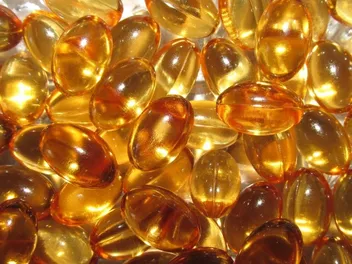
DHA is an omega-3 fatty acid that is found in fish oil. It is a popular ingredient in dog food because it is thought to have many health benefits. These include reducing inflammation, improving heart health, and aiding in cognitive function.
While there is evidence to support these claims, there is also contradictory research. Therefore, it is important to weigh the pros and cons of feeding your dog a food that contains DHA before making a decision. Let’s take a closer look at this ingredient in this article.

What Is DHA?
DHA is an essential fatty acid that is important for the health of your dog. It is found in fish oil, is a major component of the cell membranes, and is necessary for the proper development and function of the nervous system. DHA also promotes healthy skin and can make your dog’s coat shiny and soft. It’s commonly found in larger amounts in puppy foods than in adult dog food formulas, but any dog food that contains fish or fish oil likely has some amount of DHA.


The 3 Benefits of DHA for Dogs
Let’s look at all the ways that DHA can be beneficial for dogs.
1. Inflammation Reduction
One of the most well-known benefits of DHA is its role in reducing inflammation. While inflammation is a natural response of the body that can occur when the dog is injured or infected, DHA has been shown to reduce its severity in both humans and dogs. This can be beneficial in cases of injury, arthritis, and other conditions that cause inflammation.
2. Reduced Risk of Heart Disease
DHA has been shown to improve heart health in dogs. It can help lower blood pressure and cholesterol levels, which can reduce the risk of heart disease.
3. Improved Cognitive Function
DHA is essential for cognitive function. It has been shown to improve memory and learning in both humans and dogs.

The 2 Drawbacks of DHA for Dogs
While there are many benefits of DHA for dogs, there are also a couple of drawbacks.
1. Upset Stomach
One of the most common side effects of feeding your dog too much fish oil as a source of DHA is an upset stomach. This is usually mild and goes away on its own, but it can still be uncomfortable for your pet. If your pup has a sensitive stomach, you may want to gradually introduce this ingredient and avoid feeding them food that contains a large amount of fish oil.

2. Sustainability
A potential drawback of DHA is that it has historically been sourced from fish oil, which significantly impacts fish stocks. However, alternative sources of DHA are starting to be used. Algae seems to be a promising source, and some dog food manufacturers have started to use it.

Where Does the DHA in Dog Food Come From?
Most DHA in dog food comes from fish oil. It’s a good source of omega-3 fatty acids, which are essential for canines. However, it is important to note that not all fish oils are created equal. Some are better quality than others, and they may contain more or less DHA. It is important to choose high-quality fish oil and/or food for your dog.
Since using fish oil as a source of DHA is not sustainable, we can expect to see more DHA from alternative sources, such as marine algae, being used in the near future.


Dog Food DHA FAQ
Is DHA good for my dog?
DHA promotes proper brain and eye development, so it is highly beneficial for puppies. Adult dogs can also receive benefits from having DHA in their diets. However, the source and total amounts need to be controlled to keep it sustainable for our planet and beneficial for our pets. Remember, too much of a good thing does not necessarily achieve better results.
Is DHA regulated?
DHA is not currently regulated by the FDA.
What should I look for in dog food that contains DHA?
When looking for a dog food that contains DHA, you should choose one that is high in protein and fat and low in carbohydrates. It should also contain a balance of omega-3 and omega-6 fatty acids. The food should ideally be free of fillers and artificial additives.

How much does dog food with DHA cost?
DHA-enriched dog foods tend to be more expensive than regular dog foods. However, they are still relatively affordable and are a good value for the money.
What are some brands of dog food that contain DHA?
Many brands of dog food contain DHA. The most popular ones include Orijen, Nutro, Wellness, and Blue Buffalo. Most puppy foods contain DHA too.
Can I give DHA supplements to my dog?
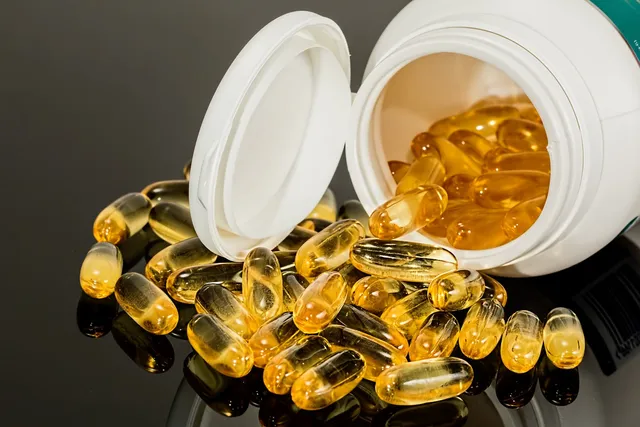
Yes, you can give DHA supplements to your dog. However, it is important to talk to a veterinarian before giving your pet any supplements.
What are the signs of a DHA deficiency in dogs?
Signs of a DHA deficiency in dogs include poor cognitive function, dry skin, and dull coat. If you think that your pet may be deficient in DHA, you should talk to a veterinarian.
How can I add DHA to my dog's diet?
There are a few ways that you can add DHA to your dog's diet. You can give them DHA supplements, feed them fish oil, or choose dog food that is enriched with DHA.
My dog doesn't like fish; will they still get the benefits of DHA?
Yes, your dog will still get the benefits of DHA even if they don’t like fish. Fish is not the only source of DHA available, as some algae also contain it. It’s available in other forms, including supplements, that can be mixed into food. Additionally, there are many brands of dog food that are enriched with DHA.

My dog is already on a fish oil supplement; do I still need to add DHA to their diet?
If your dog is already taking a fish oil supplement, you may not need to add DHA to their diet. However, you should talk to a veterinarian to be sure, as not every fish oil is the same.
I'm not sure if my dog is getting enough DHA, what should I do?
If you're not sure if your dog is getting enough DHA, you should talk to a vet. They can help you determine if your dog's diet is adequate and make recommendations for how to add DHA if necessary.
Conclusion
DHA is an essential fatty acid that offers many potential health benefits for canines. However, it is important to weigh those benefits and be aware of the drawbacks before deciding to feed your dog a food that contains DHA. If you have any concerns, you should consult a veterinarian.
Related Read: Scheduled vs Free Feeding Dogs
Featured Image Credit: Ayla Verschueren, Unsplash
Expert dog care, straight to your inbox
Vet-reviewed advice, training tips, and the best of Dogster. Free, and you can unsubscribe anytime.
By signing up, you agree to our Terms & Conditions and Privacy & Cookies Policy.
Nicole has loved animals of all sizes her whole life so it's no wonder she has dedicated her career to helping them through what she loves best: learning, writing, and sharing knowledge with others. She’s the proud mom of two dogs, a cat, and a human. With a degree in Education and 15+ years of writing experience, Nicole wants to help pet parents and pets around the planet to live happy, safe, and healthy lives.
Join the conversation
Ask a question, share your story, or send private feedback.