7 Benefits of Salmon Oil for Dogs: Canine Health and Nutrition


In this article
Salmon oil is a healthy supplement for both humans and dogs. Rich in omega-3 fatty acids, fish oil promotes heart health, a sleek coat, healthy skin, and strong joints, among other benefits.
Because dogs can’t produce omega-3 fatty acids on their own, they must get them from their diet. If you’re considering adding salmon oil to your dog’s diet, here are the seven benefits.

The 7 Benefits of Salmon Oil for Dogs
1. Reduces Inflammation
Omega-3 fatty acids, which include docosahexaenoic acid (DHA) and eicosapentaenoic acid (EPA), help reduce inflammation throughout your dog’s body. This reduces itchy skin, inflamed and uncomfortable joints, and gastritis.
2. Minimizes Skin Allergies
Salmon oil reduces the inflammatory response that can contribute to skin allergies. When your dog consumes salmon oil, the omega-3 fatty acids (EPA and DHA) integrate into their cell membranes, especially in the skin and immune cells. These fats shift the body’s response to inflammation by reducing the production of pro-inflammatory molecules (eicosanoids) and increasing anti-inflammatory ones. Additionally, omega-3s promote the creation of specialized pro-resolving mediators (resolvins and protectins), which help resolve inflammation and repair tissues. This improves the skin's natural barrier, making it less reactive to allergens and reducing signs like itching and redness, supporting overall skin health and comfort.

3. Improved Cognitive Function
Salmon oil contains DHA, which plays a huge role in brain development. Puppies benefit from having salmon oil as their brains develop, but it can help the cognitive function of dogs of all ages, especially older dogs with canine cognitive dysfunction (canine dementia).
4. Promotes a Healthy Coat
Salmon oil balances the skin’s moisture from the inside out, leading to healthy skin. As a result, dogs have a softer, shinier, and healthier coat with salmon oil supplements.

5. Promotes Heart Health
Salmon oil has been found to promote heart health and prevent conditions like irregular heart rhythm and atrial fibrillation. It can also act as an anticoagulant to prevent clots in dogs with heart disease, limiting the risk of heart attack or stroke.
6. May Prevent Cancer
Cancer is caused by damaged cells replicating unchecked. Salmon oil contains DHA and EPA, which have antioxidant properties that help to prevent oxidative damage to cells and could protect against DNA damage that can lead to cancer. This benefit isn’t widely researched, but it has strong potential.

7. Improves Overall Health
The omega-3s EPA and DHA have benefits for the heart, kidney, and liver—organ systems that can be prone to potentially life-threatening conditions. Supplementing with salmon oil could help preserve these organ systems and promote a longer and healthier life.
How Can I Give My Dog Fish Oil?
DHA and EPA are found naturally in salmon, sardines, and anchovies. It’s also added to commercial foods and treats.
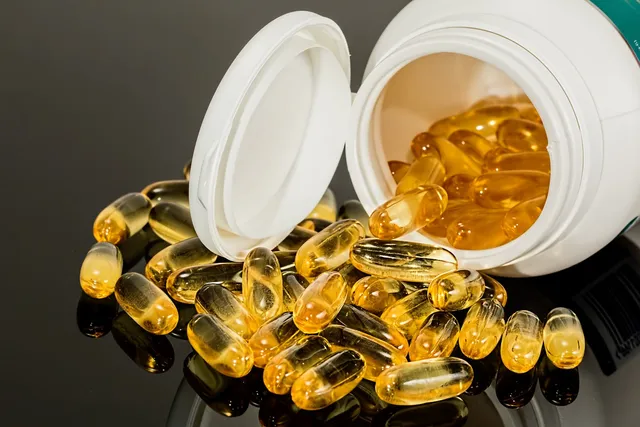
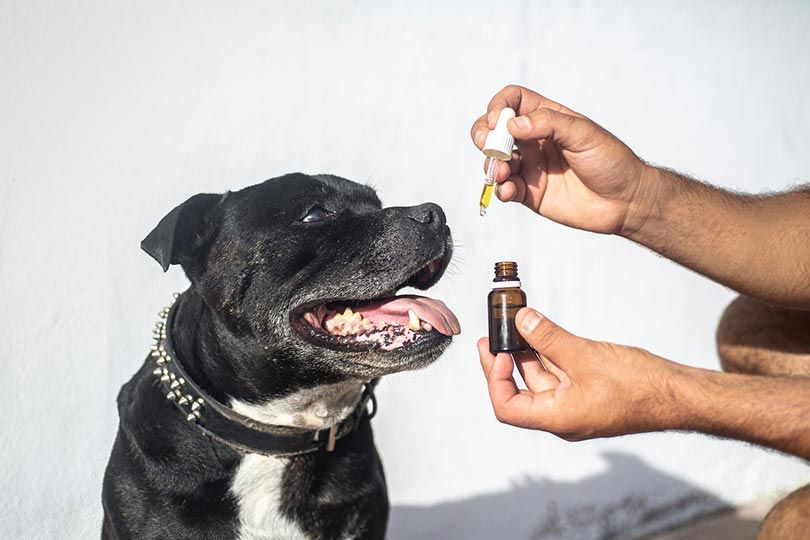
If you prefer to supplement fish oil, you can add liquid fish oil to food or provide supplements in gel capsule form. The recommended dose of salmon oil is 75–100 mg/kg with a maximum daily dose of 310 mg/kg of combined EPA and DHA. Always speak to a vet about supplementing salmon oil—or any supplement—before proceeding.
Care and Storage of Salmon Oil
Salmon oil is a delicate substance prone to oxidation, so it needs to be protected from heat, light, and air. Ideally, fish oil supplements should be in dark bottles stored in the refrigerator. Vitamin E is a preservative to prevent oxidation, so look for supplements containing this or other antioxidants.
Note that flaxseed contains omega-3 fatty acids, but they are not readily converted to the active forms of EPA and DHA in dogs. Avoid giving flaxseed as a source of fatty acids, and stick to natural sources or salmon oil supplements.
Can I Give Too Much Salmon Oil?
At the right dosage, omega-3 fatty acids have few side effects. The most common side effect is diarrhea, so be sure to gradually increase your dog’s dosage.
The supplement will have dosage guidelines but double-check with a vet to make sure your dosage is appropriate for your dog’s size, weight, and age. If you give too much salmon oil, it could lead to vomiting, diarrhea, reduced blood clotting, weight gain, altered immune function, and delayed wound healing.
In Conclusion
Salmon oil is a natural source of essential omega-3 fatty acids that support healthy skin and coat, brain function, and overall health. If you want to supplement your dog’s diet to ensure it gets enough omega-3 fatty acids, salmon oil is a relatively safe and accessible supplement to support its well-being. Related Reads:
Sources
Featured Image Credit: Erin_Hinterland, Pixabay
Expert dog care, straight to your inbox
News, insights, expert advice, and everything dog.

No spam — unsubscribe anytime.
By signing up, you agree to our Terms & Conditions and Privacy & Cookies Policy.
How useful was this post?
Click a star to rate. You can leave written feedback afterwards. (We read all feedback.)
Nicole has loved animals of all sizes her whole life so it's no wonder she has dedicated her career to helping them through what she loves best: learning, writing, and sharing knowledge with others. She’s the proud mom of two dogs, a cat, and a human. With a degree in Education and 15+ years of writing experience, Nicole wants to help pet parents and pets around the planet to live happy, safe, and healthy lives.