Dogster is reader-supported. When you buy via links on our site, we may earn a commission at no cost to you. Learn more.

Dog Nutrition

Do Dogs Need Vitamin E? Vet-Verified Benefits & Risks

Lorre Luther
By Lorre Luther · Reviewed & fact-checked by Dr. Paola CuevasVet Approved
Dr. Paola Cuevas
Reviewed & Fact-Checked byDr. Paola CuevasVeterinarian
Dr. Paola Cuevas is our Senior In-House Veterinarian at Dogster and Pangolia. She has over 19 years of experience working with an array of species and loves sharing her knowledge and experience with our readers and aims to provide assistance with any issue presented by your non-human family members. She received her degree from the University of Guadalajara, Mexico.View authorThe information is current and up-to-date in accordance with the latest veterinarian research. Learn more
Updated on June 27, 2026
Share
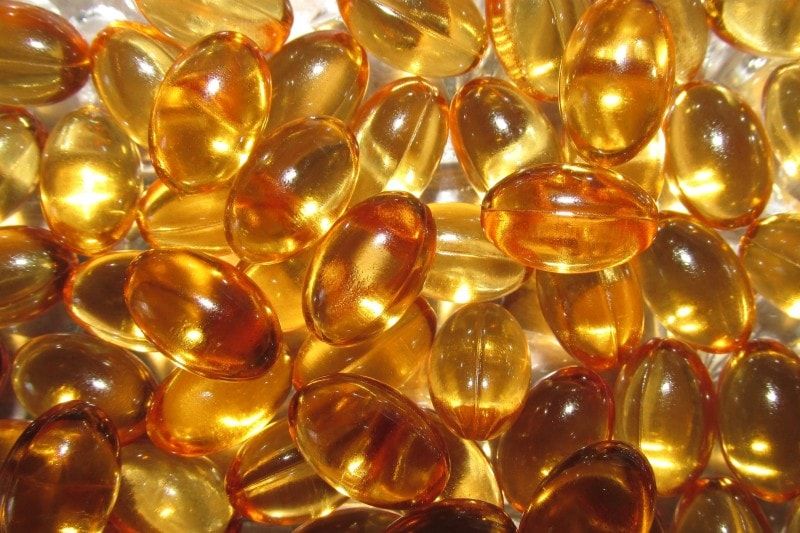
Vitamin E capsules

Dogs need vitamin E, as it's an essential nutrient that provides antioxidants that protect against free radical damage. Free radicals are negatively charged atoms released during your dog's normal metabolic processes. But when dogs or humans are ill or under stress, their bodies produce more of these particles, and having too many often results in conditions like arthritis and heart disease. When dogs are exposed to environmental toxins and pesticides, they will also produce more free radicals due to increased oxidative stress. Free radicals are basically waste products that result from various chemical reactions in the cells. When they build up, they harm the body.

Although dogs do require vitamin E, you don’t necessarily need to supplement your pet's diet with this nutrient. Most high-quality commercial dog foods that meet the American Association of Food Control Officials (AAFCO) requirements contain more than enough vitamin E to keep your pet healthy. Read on for more information about canines and this vital nutrient.

divider dog paws 4 oct 2024

Vitamin E's Benefits

Vitamin E is critical to your dog’s health. It plays a crucial role in their metabolism and immune functions and is vital for their eye and skin health. It also supports the metabolism of essential compounds, such as vitamin C.

Vitamin E provides antioxidant protection and helps defend against and repair cellular damage caused by free radical exposure. This damage often results in the development of chronic diseases, such as cancer, diabetes, arthritis, and canine dementia. Antioxidants also support your canine’s ocular, brain, and heart health by reducing inflammation.

Image By: bililee, Pixabay

Signs of a Vitamin E Deficiency

Dogs suffering from vitamin E deficiencies often have skin problems, trouble seeing, and lowered immune function. The condition often happens when dogs eat homemade formulations that lack vital minerals and vitamins.

Most dogs receive enough vitamin E through their diet if they're eating a high-quality commercial product that provides at least 50 IU of vitamin E per day (the AAFCO-recommended minimum), but some dogs may require more, depending on their health.

Natural Sources of Vitamin E

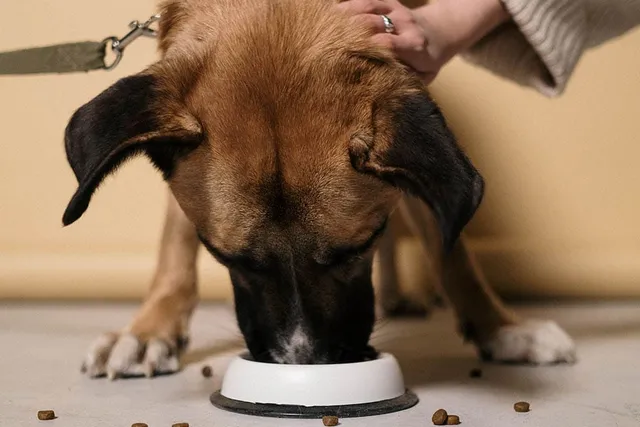
Most dogs get more than enough vitamin E through what they eat, as long as they consume a well-balanced diet. It is naturally found in fish like salmon and trout and in fruit, particularly berries and mangos. Leafy greens, red peppers, and turnips are also naturally packed full of vitamin E. But keep in mind that dogs do better when fed a canine-specific diet and should obtain most of their nutrients through their own food.

Image Credit: Tommy_Rau, Pixabay

Benefits of Supplementation

There's evidence that vitamin E may benefit dogs with itchy skin and certain allergic conditions. However, it’s best to speak with a veterinarian before heading to the pet store to get a vitamin E supplement for your dog, since too much can harm your pet.

Remember that dogs should never be given human vitamins, as these often contain multiple vitamins and minerals in too high amounts for canines. Speak with a veterinarian before supplementing your dog’s diet; they can help you determine the appropriate dosage and brand.

Dangers of Serving Too Much Vitamin E

While it’s possible for your pet to get too much vitamin E, it's not likely as long as you're feeding your dog high-quality commercial food. Problems sometimes arise when pet parents supplement their dog's diets without first consulting a veterinarian regarding appropriate dosages.

For example, having too much serum vitamin E can lower your dog's blood clotting ability. Other signs of a vitamin E overdose include increased bleeding, lethargy, and vomiting. If you've been supplementing your pet's diet and see any signs of vitamin toxicity, get your pet checked out by a vet.

Image By: Mumemories, Shutterstock
divider dog paws 4 oct 2024

Conclusion

Dogs require vitamin E because it provides tons of antioxidants that help combat cellular damage caused by free radical oxidation. It helps protect your pet against diseases like arthritis and heart disease, and dogs that don't get enough vitamin E sometimes have skin problems and experience lowered immune function. However, most dogs that eat high-quality dog food get more than enough of this essential nutrient. Dogs with itchy skin and arthritis may benefit from additional supplementation, though. If you feed your pet a homemade diet, check with a veterinary nutritionist to ensure that your formulation includes a sufficient amount of vitamin E. See also:

Sources

Featured Image Credit: Beverly Buckley, Pixabay

The Dogster Newsletter

Expert dog care, straight to your inbox

News, insights, expert advice, and everything dog.

No spam — unsubscribe anytime.

By signing up, you agree to our Terms & Conditions and Privacy & Cookies Policy.

Click a star to rate. You can leave written feedback afterwards. (We read all feedback.)

Lorre Luther
Authored by

Lorre Luther

Leave a Reply

You're very welcome to leave a comment or question. Please know that all comments must meet our community guidelines, and your email address will NOT be published. Let's have a positive and constructive conversation.

15 Foods With Vitamin E for Dogs: Vet-Approved Options

15 Foods With Vitamin E for Dogs: Vet-Approved Options

Vitamin E is an essential vitamin for canines. It is an antioxidant that helps clear free radicals from your dog's body, supports vision, promotes healthy bone…

Beth Crane
By Beth Crane · 1 month ago
9 Vitamins Your Dog Needs for a Healthy & Happy Life

9 Vitamins Your Dog Needs for a Healthy & Happy Life

Dogs can’t make vitamins from food the way that humans can. But vitamins are essential for dogs because they help prevent disease and promote overall health. T…

Nicole Cosgrove
By Nicole Cosgrove · 1 month ago
What Are Tocopherols in Dog Food? Vet-Verified Nutritional Facts

What Are Tocopherols in Dog Food? Vet-Verified Nutritional Facts

Commercial dog food is what most owners feed their dogs because it’s convenient, and affordable compared to homemade food, and typically offers all the nutrien…

Rachael Gerkensmeyer
By Rachael Gerkensmeyer · 1 month ago
Are There Benefits of Vitamin C for Dogs? Our Vet Answers

Are There Benefits of Vitamin C for Dogs? Our Vet Answers

Vitamin C, also known as ascorbic acid, is an important antioxidant that is known to offer a variety of health benefits for people. It is a common ingredient i…

Dr. Sharon Butzke
By Dr. Sharon Butzke · 1 month ago

Can Dogs Eat Cranberries? Vet-Reviewed Nutritional Guide

Cranberries are sweet yet slightly bitter-tasting fruits used in a range of dishes. They mostly consist of water, but they are naturally rich in antioxidants a…

Sarah Psaradelis
By Sarah Psaradelis · June 29, 2026
Can Dogs Eat Cranberries? Vet-Reviewed Nutritional Guide

5 Benefits of Sweet Potatoes for Dogs: Vet-Reviewed Facts & Considerations

Sweet potatoes are superfoods chock full of many health benefits for humans. They're loaded with vitamins and minerals and are generally considered a healthier…

Chantelle Fowler
By Chantelle Fowler · June 17, 2026
5 Benefits of Sweet Potatoes for Dogs: Vet-Reviewed Facts & Considerations

Dog Nutrition: 6 Vet-Approved Essential Nutrients They Need

Nutrition and a healthy diet play a significant role in a dog’s health and well-being. Dog owners must stay on top of their dogs’ nutritional intake and ensure…

Jessica Kim
By Jessica Kim · June 16, 2026
Dog Nutrition: 6 Vet-Approved Essential Nutrients They Need

Ethoxyquin in Dog Food: Why Is It Controversial? Vet-Verified Facts

Dog owners, brace yourselves! The food your beloved canine companion eats on a daily basis might contain a controversial ingredient – ethoxyquin. This syntheti…

Nicole Cosgrove
By Nicole Cosgrove · June 29, 2026
Ethoxyquin in Dog Food: Why Is It Controversial? Vet-Verified Facts

What Food Is Good for a Dog’s Skin & Coat? Vet-Verified Facts & FAQ

A shiny, glossy, and smooth coat not only makes your dog the most stunning pup around, but it is also quite indicative of their health. Indeed, canines can hav…

Genevieve Dugal
By Genevieve Dugal · June 29, 2026
What Food Is Good for a Dog’s Skin & Coat? Vet-Verified Facts & FAQ

BHA & BHT: Dog Food Ingredients to Avoid

You would be forgiven for thinking that dog food manufacturers would only use high-quality and healthy ingredients in their dog food. After all, helping ensure…

Nicole Cosgrove
By Nicole Cosgrove · June 17, 2026
BHA & BHT: Dog Food Ingredients to Avoid

Dog Foods for Brain Health: Throughout All Life Stages

Whether you have a young puppy just beginning its journey or a senior dog that is starting to slow down, it’s essential to find food that does more than just f…

Kathryn Copeland
By Kathryn Copeland · June 29, 2026
Dog Foods for Brain Health: Throughout All Life Stages

Can Dogs Have Olive Oil? Vet-Verified Health Facts & FAQ

You’ve undoubtedly heard of the benefits of olive oil on human cardiovascular health. Research has also shown it has anti-inflammatory properties, contains ant…

Chris Dinesen Rogers
By Chris Dinesen Rogers · July 10, 2026
Can Dogs Have Olive Oil? Vet-Verified Health Facts & FAQ

Love Dogs? So Do We! Join the Dogster Community

Stay informed with expert pet care insights delivered straight to your inbox! Discover professional guidance on animal behavior, feeding tips, trusted product picks, and much more.

You may opt-out at any time. View our Privacy Policy for more information.

The Dogster app on a phone