Scheduled vs Free Feeding Dogs: Vet-Verified Comparison, Pros, Cons & Facts


In this article
You may just scoop up a cup of dry kibble and toss it into your dog’s bowl every day, without giving it a second thought. But if you want more information about the two main types of feeding—scheduled and free feeding—we have the information that you need here! We discuss the differences, benefits, downfalls, and everything in between regarding scheduled versus free feeding so you can make the best choice for the needs of your furry friend.

What Is Scheduled Feeding?
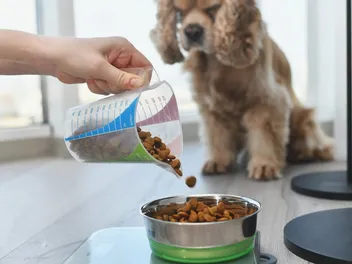
Scheduled feeding is a routine, portion-controlled meal style where you have complete control over your dog’s eating habits. You have certain measured helpings dependent on several lifestyle and health factors, like age, weight, existing medical conditions, and activity levels.

Benefits of Scheduled Feeding
Scheduled feeding is beneficial for countless reasons. Most professionals suggest scheduled feeding so you have complete control, reducing the risk of overeating, obesity, bloat, and other health problems associated with free feeding.
Plus, scheduled feeding keeps your dog on a routine. If they are used to getting a scoop of food in the morning before you head off to work and in the evening when they come home, this provides a solid, predictable day, and you can easily time bathroom trips this way too.
Downfalls of Scheduled Feeding
Scheduled feeding can be a little problematic for those who never up or down the measurements as needed. For example, if your dog is a growing pup, they will get hefty portions to support their developing body.
Puppies tend to eat a lot in the first year. Most dog food actually decreases in portion size and frequency once your dog reaches the 2-year mark. In some cases, adult dogs don't need as much to maintain their structure, so portions have to decrease. If you never decrease your dog's food portions once they reach full adulthood or otherwise adjust as needed, it could lead to far too many consumed calories.
Also, scheduled feeding is a little more time-consuming than free feeding. It may not be feasible for people who don’t have a regular work schedule and therefore, can't feed their dogs at the same time each day.

What Is Free Feeding?
Free feeding is where the bowl is always full—to put it plainly. Basically, there is an all-you-can-eat buffet, and your dog can snack when they are feeling a little hungry and go on their merry way once they've had their fill.
Some folks refill the food dish repeatedly while others lay out rations for the day—and once they are done, they are done. Either way, the dog always has full access to munchies and fresh water, with no supervision.
It might make sense to keep refilling the food dish if you have a slow or picky eater. The issue is, that this makes it very challenging, if not impossible, to make sure your dog is getting the right amount of calories.

Benefits of Free Feeding
One of the biggest benefits of free feeding is a lack of responsibility. You don't have to endure the hassle of measuring, recording, and monitoring meals. You can just pour and go. It's incredibly convenient and quick.
Also, this helps pickier or less food-driven dogs to take their time. If they don't finish meals or their bowls are taken away after a few minutes, this decreases their intake and simply won't work for all dogs. So, if you find that is the case for your pup, free feeding lets them enjoy the day stress-free.
Free feeding is ideal for homes where someone is always there or for people who aren’t able to stick to a regular feeding schedule.
Downfalls of Free Feeding
As you may guess, the biggest downfall of free feeding is the risk of obesity. If your dog is allowed to eat however much they want unchecked, a bulging belly is likely in your dog's future, and that comes with its fair share of health concerns.
While overeating is always possible, undereating is actually usually much more of an issue. If your dog is picky or turned off by their food choice, they might just be nibbling on it, and since you aren’t using a feeding schedule, you might not catch on as quickly.
It's also rumored that free feeding can sometimes cause poor behavior—a side effect of having no restrictions or self-control. Basically, the concept is that when a dog is left to run amuck, they will. This, of course, will vary from dog to dog in severity and isn’t true in every case.

Freeze-Dried and Dry Kibble: It’s a Free-Feeding Option
Freeze-dried foods are entirely dehydrated. Since they contain no moisture, no refrigeration is required to keep it fresh. You can pour the food in and leave it all day, and the contents won't change.
Many love the convenience and shelf-life of dry dog food options. Those who want healthier food options can pick freeze-dried food over dry kibble due to its fewer preservatives and higher nutritional value. So, if you want to free feed, either of these dog foods will work. However, keep in mind that you must get a freeze-dried food that does not require rehydration.

Fresh, Raw, and Wet Canned Foods: Why Free Feeding Isn’t an Option
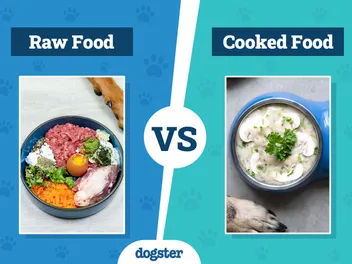
If you have fresh, raw, or moist dog food, there is a timeline when leaving it at room temperature. You should only leave fresh or wet food out for 1 to 2 hours at mid-temperatures and only 30–45 minutes on a hot day.
Due to this limited timeline, this type of food is not the best option for free feeding. Luckily, since these dishes are wet and aromatic, even the pickiest pups tend to eat them in one sitting.
Eating Style Matters
Puppies develop eating habits early, but they can also change depending on lifestyle. For example, if you rescued a dog from a previously neglected shelter or the dog was malnourished, starved, or living on the streets, they have learned to gorge when food is available due to a primal scarcity mindset.
However, if a puppy grows from a secure place, getting all the appropriate care and rearing along the way, they know meals are guaranteed. While some pups can still be little piggies, it’s more likely that they will be moderate-paced eaters.
Grazers vs. Vacuums
Grazers don’t gorge themselves every time a piece of kibble pings off the bowl. Grazing is a behavior where dogs leisurely travel to the food bowl for a few bites to eat before meandering off to the next activity.
Conversely, vacuum dogs love to inhale all the food they can before it even makes it to the bowl. They will eat however much they can whenever food is at their disposal.

What Makes Dogs Gorge?
Some dogs can eat really quickly, which can actually be problematic. Not only can it lead to gagging and choking, but it can also cause issues like bloat (which is deadly). So, it’s important for your dog to eat at a moderate pace.
Eating quickly can be a tough habit to break, though, and it often requires a lot of patience on the owner’s end. Typically, the habit starts early in life, somewhere between the nursing and weaning stages. Food competition between littermates can wire the brain with a dog-eat-dog mentality—no pun intended.
The behavior is challenging to deal with, but it isn’t a be-all and end-all. Some people incorporate slow feeders into the routine to force the dog to chill out. Other methods are to put obstructive objects too big to swallow in the food bowl to make your dog work around it—ideally, slowing them down.

Multi-dog Households
It might be a little challenging to do mealtime in multi-dog households. Dogs can have different or even opposite eating habits, which lead to things like food thieving, aggression, and portion imbalance. It’s also nearly impossible to do free feeding when you have a master consumer on your hands.
Some folks choose to separate dogs at mealtime to avoid problems. If you have one leisurely eater and one fast eater, you can always let your calmer dog access a separate area when you can tell they're hungry.
You will likely have to try a few tricks to feed all your dogs together. But eventually, you will work out the kinks and create a regimen that makes sense.

Healthy Weight Really Matters
Looking at any commercial dog food, you can get precise measurements for portions on the package. However, each dog is different and may require adjusted portions than those suggested. So, always work with your vet to determine the proper amount.
A healthy weight will ensure that your dog stays physically and mentally capable. You can preserve your dog’s longevity by providing them with the right meals and exercise regimens.
Also, you can complement this information by using this calorie calculator tool:
Dog Calorie Calculator
Recommended Daily Calories

The exact amount of calories an individual animal needs to maintain a healthy weight is variable and influenced by many factors including genetics, age, breed, and activity level. This tool is meant to be used only as a guideline for healthy individuals and does not substitute veterinary advice
Obesity Is the Starter of Health Problems
An astonishing 25–30% of adult dogs are obese. This staggering statistic shows many health professionals are worried about the long-term effects of this overwhelmingly prevalent canine complication.
Lots of dog health issues stem from obesity. If your dog is free-feeding and eating far too much, it could snowball into bigger issues like diabetes, heart trouble, and other organ function conditions.
Keep your dog fit and properly fed to ensure that their body is in shape. Nutritious, well-balanced meals can add years to their life.
Conclusion
Scheduled feeding is a much better-controlled option than free feeding, but that doesn't mean dogs can’t free feed in certain favorable circumstances. Use your discretion, and always check with your vet to determine the right avenue for your pup-friendly home.
Also, remember your dog's eating style when you consider scheduled versus free feeding. If your dog is a hungry boy or gal, they can become obese quickly as a free feeder. Making sure your dog lives a long, happy life is a top priority. If you ask any owner, dogs already don't live long enough, and anything you can do to increase your time together is worth it.
But ultimately, only you can determine what’s best. Definitely speak with your veterinarian if you have any questions or concerns about feeding methods.
Related Reads:
Sources
Featured Image Credit: chendongshan, Shutterstock
Expert dog care, straight to your inbox
News, insights, expert advice, and everything dog.

No spam — unsubscribe anytime.
By signing up, you agree to our Terms & Conditions and Privacy & Cookies Policy.
How useful was this post?
Click a star to rate. You can leave written feedback afterwards. (We read all feedback.)
Ashley Bates is a freelance dog writer and pet enthusiast who is currently studying the art of animal therapy. A mother to four human children— and 23 furry and feathery kids, too – Ashley volunteers at local shelters, advocates for animal well-being, and rescues every creature in need. Her mission is to create awareness, education, and entertainment about pets to prevent homelessness. Her specialties are dogs and cats.