Alaskan Fish Oil for Dogs: Vet-Reviewed Benefits & Applications



In this article
Fish oil has been in the headlines for the past several years, not only for its purported benefits for human health but also for what it is said to achieve for our pets. Alaskan fish oil is an effective source of essential fatty acids (EFAs) that can support the general health of dogs of every age, size, and breed.
Read on to learn more about the benefits, risks, and applications of this supplement to determine if it’s right for your dog.

What Is Alaskan Fish Oil?
Alaskan fish oil is a supplement high in omega-3 fatty acids, one of numerous polyunsaturated fatty acids (PUFAs) that have physiologic roles in the body. Omega 3s are considered essential PUFAs as they are necessary for optimal functioning in mammals, but they must be consumed via the diet.
The exact combination of fish oils used in the supplement can vary from manufacturer to manufacturer. Some may only use wild Alaskan salmon oil, while others combine a number of different oils, such as wild Alaskan pollock oil and even Atlantic salmon oils. Adding other fish species is not a sly business tactic, as it actually eases the burden put on the fish supply chain and is, therefore, more sustainable.

What Are Omega-3 Fatty Acids?
Omega-3s include eicosapentaenoic acid (EPA), alpha-linolenic acid (ALA), and docosahexaenoic acid (DHA).
ALA is essential in that dogs cannot manufacture it on their own, dogs can convert ALA into DHA and EPA, which have the most health benefits, but the process is not very efficient. As a result the National Research Council (NRC) lists only EPA and DHA as necessary for your pup’s diet, these are found in cold water ocean fish or fish oils, and products made from algae or krill oil. However, the exact requirements will vary based on your dog’s age. For example, puppies need more DHA than their adult counterparts to support brain development and improve their cognitive functioning.
What Are the Benefits of Alaskan Fish Oil for Dogs?
There are many purported benefits of supplementing your dog’s diet with the omega-3s found in fish oils, including potentially:
However, it is essential to note that evidence suggesting omega-3 supplementation benefits is primarily derived from dogs on therapeutic diets containing high levels of EFAs. There is currently limited evidence of the benefits of using fish oil supplements.

Are There Risks Associated With Alaskan Fish Oil?
One study suggests that potential adverse effects of omega-3 fatty acid supplementation can include things such as:
How to Find the Best Alaskan Fish Oil
There are several things one should consider before buying Alaskan fish oil for their dogs.
Sustainability. Protecting our oceans and their natural resources is essential. Thankfully, most fisheries from which fish oils are sourced are certified or actively pursuing certification to ensure good environmental stewardship and sustainable growth. Please do your research to find out what information your Alaskan fish oil supplement manufacturer provides about their certification process.
EFA Content. Read the guaranteed analysis on your bottle to determine how much EPA and DHA the supplement contains.
Ingredients. Poor-quality fish oils can contain random filler oils, farmer fish, and even artificial flavorings or preservatives. Don’t just look for the EFA content, but peruse the ingredient list, too, to scout out any potentially harmful ingredients.

How to Use Alaskan Fish Oil
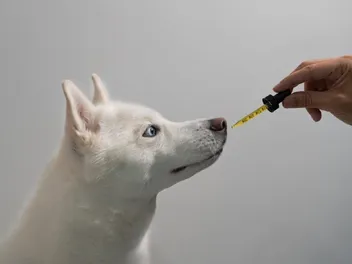
The best way to use Alaskan fish oil is as directed by your veterinary team or the packaging on the product you’ve purchased. However, the most common way to use this product is to apply the recommended number of pumps to your pup’s food bowl during mealtime. The pumps required will depend on your dog’s weight.
When introducing a new supplement to your pup’s diet, the key is taking it slow. Giving them too much too quickly can upset their stomach in the same way introducing any new food can. Keep a close eye on your dog for the first several days to determine if they have an adverse reaction to their fish oil. If you notice any vomiting or diarrhea, stop administering this product and speak to your veterinary team.
Note: Fish oil is known for its very potent smell; it is fish, after all. It’s normal for your dog’s breath to, therefore, be a little fishy afterward.
You might be interested in: 10 Best Dog Breath Fresheners
Final Thoughts
Alaskan fish oil can be an excellent supplement for dogs as it offers plenty of science-backed benefits. However, before buying some for your pet, we recommend speaking with your veterinary team. They can offer recommendations on the best product to purchase as well as provide dosage instructions so your dog will reap all the benefits.
Featured Image Credit: stevepb, Pixabay
Expert dog care, straight to your inbox
Vet-reviewed advice, training tips, and the best of Dogster. Free, and you can unsubscribe anytime.
By signing up, you agree to our Terms & Conditions and Privacy & Cookies Policy.
Chantelle is passionate about two things in her life – writing and animals. She grew up on the prairies of Canada surrounded by animals and as an adult, she choose to share her home with five cats, two guinea pigs, and a bearded dragon. Chantelle, her husband, and their child take great pride in being great animal parents- the ones who spend a thousand dollars on wall-mounted cat shelves so that their cats can have an indoor jungle gym all year round. When Chantelle isn’t snuggling her cats on the couch or taking pictures of them being funny, she’s outside exploring in the Rocky Mountains, binging the same shows on Netflix over and over, and reading about whatever random topic pops into her brain.
Join the conversation
Ask a question, share your story, or send private feedback.