Can Dogs Eat Peaches? Vet-Reviewed Health Facts & FAQ



In this article
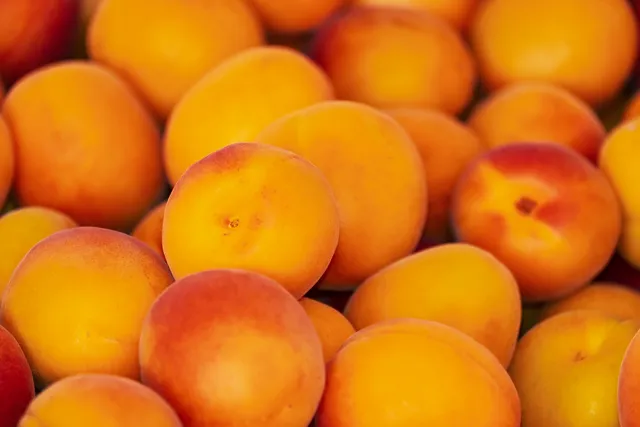
Peaches are delightful snacks, especially during the hot summer months. Some people even have peach trees growing in their yard and can grab a fruit on the go for a fast, juicy treat. If you're a dog owner, it’s vital to know what you can share with your pet and what to avoid. So, are peaches safe for dogs? Thankfully, dogs can eat peaches, including the fuzzy outer layer of skin; the fruit even contains nutritional value for them. However, they should not ever eat the pit, as this can be highly dangerous.
Before you start slicing up a peach for your pet to enjoy, there are a few things that you should know before you give in to your pup's begging eyes. Read on to learn how to safely feed peaches to your dog, along with other valuable information.

Why Can Dogs Eat Peaches?
A peach is a non-toxic fruit to dogs and even contains nutrients for canines. Fruit is not a necessity in a dog’s diet, but there is nothing wrong with letting your dog enjoy this sweet treat in moderation.

Benefits of Feeding Peaches to Dogs
We mentioned that peaches offer canines a few nutritional benefits. Let's explore them more in-depth to better understand exactly what these benefits are.

Possible Dangers of Feeding Peaches to Dogs
Even though peaches are non-toxic and safe for dogs, this doesn’t mean you can give your dog all parts of the peach, and there are even some forms you must avoid for your dog’s safety.
Sugar Content
Peaches are high in sugar, and if fed in excessive amounts, sugar can cause health problems like obesity, gastrointestinal issues, and pancreatitis. Granted, it takes a long period of time for these health issues to occur, but you certainly do not want your dog’s health to get to this point due to eating too many sugary extras.

Peach Pits
While the peach itself is non-toxic, the same cannot be said about the pit. The pit of a peach is rather large and must be removed before giving the peach to your dog. It's a choking hazard and can cause an intestinal blockage, making the situation a medical emergency. Another danger of the peach pit is that it contains a sugar-cyanide compound that is highly toxic to dogs. It’s vital to note that if your dog eats a peach pit, you should contact your veterinarian immediately for treatment.
Canned or Preserved Peaches
Canned or preserved peaches will have lots of added sugar and can cause stomach upset in dogs. Given the sugar content, added preservatives, and artificial sweeteners, you should refrain from letting your dog eat peaches from a can.

Pesticide Toxicity
We know that the peach pit should be removed, but you should also remove the stem and the leaves because these contain traces of cyanide, which is toxic to dogs. Additionally, peaches are on the list of fruits that commonly contain pesticides.
According to the Environmental Working Group, nearly 75% of non-organic fresh produce is contaminated by pesticides, which is not promising news for anyone. However, you can still enjoy fresh fruits and veggies by washing them thoroughly before eating, especially before giving any to your dog.
It’s best to buy organic when you can, though even then, you should thoroughly rinse the fruit. The standard for growing organic produce bans the use of synthetic pesticides but not organic ones, so they can still have residue.
One of the more effective ways to remove pesticides is to soak fresh produce before eating. If you don’t have time to soak them, rinse them under water to remove any lingering pesticides.
How Much Can I Give My Dog?
The estimated amount you can give will depend on your dog’s size and weight:
Ensure that you cut up the pieces into bite-sized portions. If you're feeding peaches to your dog for the first time, check with your vet prior to feeding, steer toward the minimal amount, and observe for any ill effects, such as diarrhea. If your dog develops diarrhea or shows signs of tummy upset, stop giving them peaches and consult your veterinarian.
Moderation is key to safely feeding a peach to your dog. You can offer a few pieces, according to the weight chart, roughly once a week.

Conclusion
Even though peaches are safe fruits to feed your dog, it’s important to wash them first to remove any pesticides that may possibly still be on the fruit. We also recommend consulting your veterinarian before introducing any human foods to your pup, especially if your dog has a medical condition like diabetes. As for peaches, they are safe fruits to feed your dog as special, occasional treats.
Sources
https://www.akc.org/expert-advice/nutrition/can-dogs-eat-peaches
https://www.akc.org/expert-advice/nutrition/vitamins-dogs-need-healthy-lifestyle/
https://www.purina.com/articles/dog/feeding/can-dogs-eat/peaches
https://www.medvet.com/which-fruits-are-safe-for-your-dog-to-eat/
https://www.canr.msu.edu/news/how-to-series-removing-pesticide-residue
Featured Image Credit: u11116, Pixabay
Expert dog care, straight to your inbox
Vet-reviewed advice, training tips, and the best of Dogster. Free, and you can unsubscribe anytime.
By signing up, you agree to our Terms & Conditions and Privacy & Cookies Policy.
Rachel Giordano is a writer and musician living in Pensacola, Florida, with her partner and their two dogs, Aero, a Border Collie/Sheltie mix and Sophie, a Boston Terrier. Rachel holds a Bachelor of Arts degree in communication and loves writing about animals of all types. When she’s not writing about pets, she loves to write suspense/thriller novels. A musician by night and writer by day, she enjoys educating the public about the needs and requirements of animals, big and small.
Join the conversation
Ask a question, share your story, or send private feedback.