Heterochromia in Dogs: Different Colored Eyes Explained


In this article
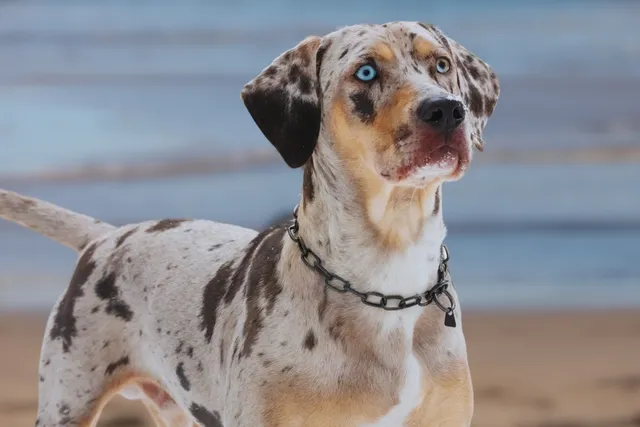
Have you ever noticed a dog with two different colored eyes, or maybe they had two colors in the same eye? What you saw was a condition called heterochromia. Heterochromia can produce beautiful and interesting eye appearances in dogs, but what is it, what causes it, and should you be concerned if your dog has it?

What Is Heterochromia in Dogs?
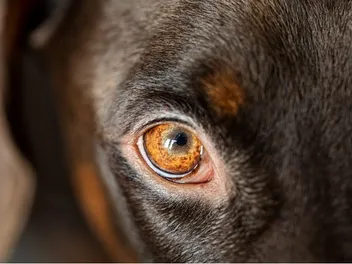
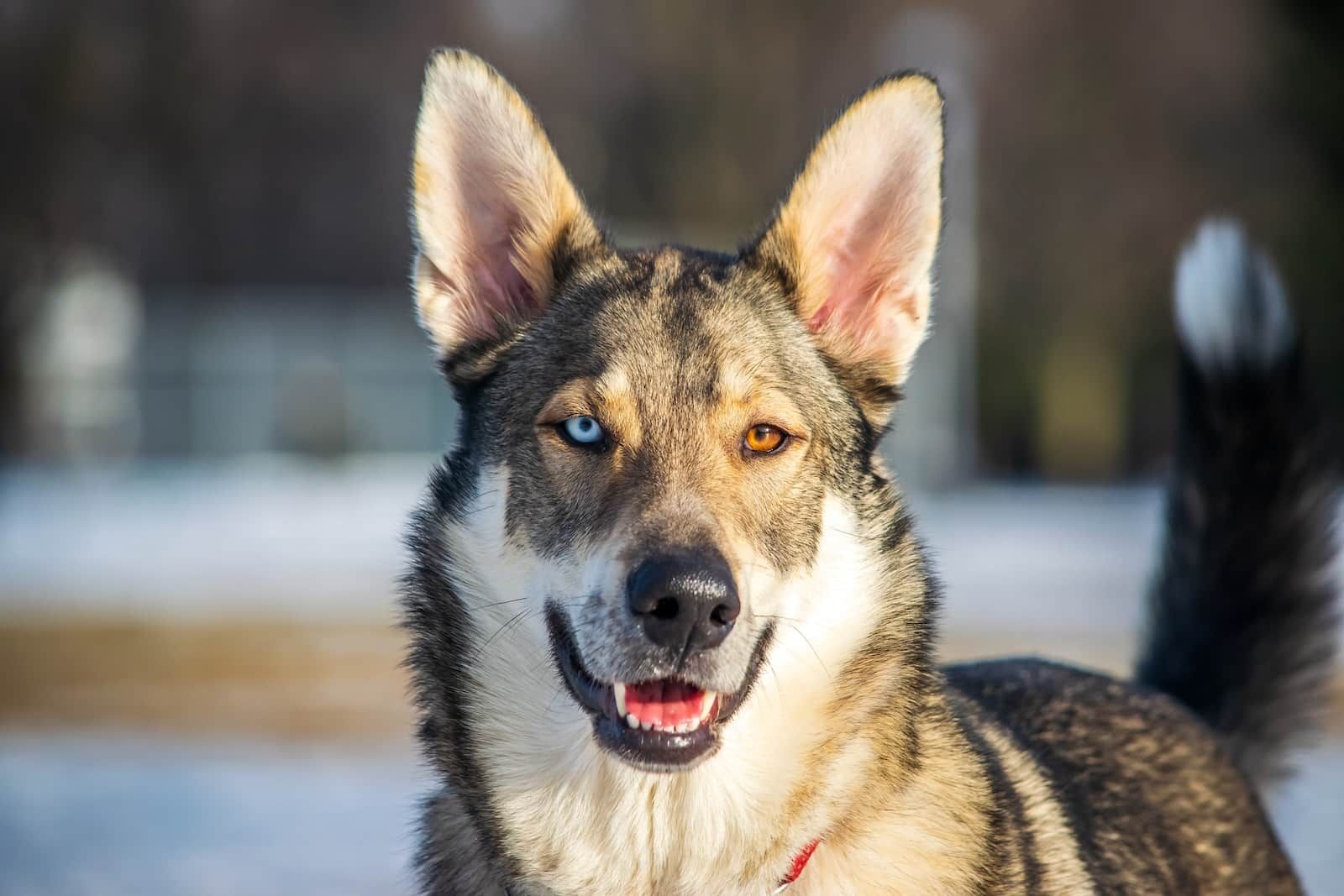
Heterochromia is a condition in which the eyes are different colors from each other. This means that the irises, the colored part of the eyes, are not the same in both eyes. In most cases, the eyes otherwise appear completely normal.
There are a few types of heterochromia, which we’ll talk about in a minute. This condition can be hereditary, which means that your dog was born with the condition and it began to become visible as they got their permanent eye color around 7 weeks of age. It can also be acquired, which means that some external cause led to a change in the eye colors.

What Causes Heterochromia in Dogs?
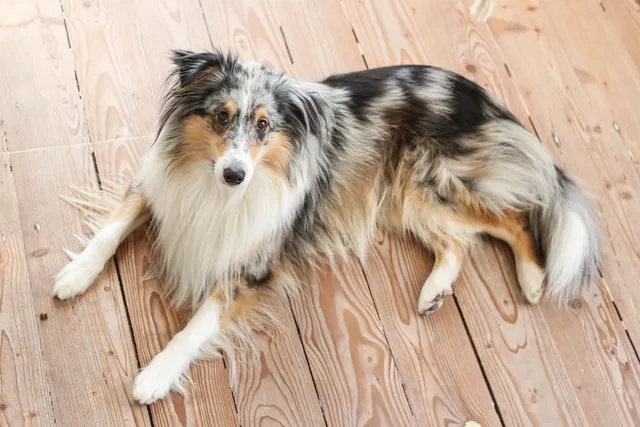
Hereditary heterochromia is closely related to coat color and pattern, with dogs that are dapple, merle, white, or notably white around the head and eyes having a greater likelihood of having the condition. The color of a dog’s irises is determined by how much melanin is present in the eyes. Dogs with brown eyes have a large amount of melanin, while dogs with blue eyes have none in the stroma, the thickest part of the iris and the one that determines eye color. Dogs with heterochromia can have different amounts of melanin in each eye, or they may even have greater and lesser concentrations of melanin in different parts of the iris of the same eye.
Acquired heterochromia is less common than hereditary heterochromia, and it involves some eye conditions. It is caused by external factors that permanently impact the color of the iris in affected dogs. Inflammatory conditions, immune-mediated problems, certain medications, and injuries to the eyes and head can cause acquired heterochromia. In some cases, eye conditions that alter the clarity of the cornea or the eye may be mistaken for heterochromia, like glaucoma or cataracts.

Types of Heterochromia in Dogs
1. Complete Heterochromia
In complete heterochromia, both eyes are completely different colors from each other. The dog is likely to have one dark eye and one light eye. Most dogs with complete heterochromia have one brown and one blue eye.

2. Sectoral Heterochromia
Sectoral heterochromia means that only a section of the dog’s iris is blue, while the rest of the iris is a different color. This can occur in one or both eyes at the same time.
3. Central Heterochromia
Central heterochromia creates a haloed appearance of the iris. In this condition, the iris will have multiple colors within it, with one color radiating from the pupil mixing with the other eye color in a spiky pattern. Like sectoral heterochromia, central heterochromia can impact one or both eyes.
Are There Health Concerns With Heterochromia in Dogs?
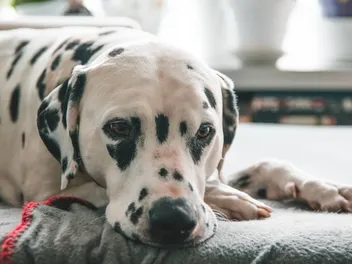
Hereditary heterochromia, the one present in your dog since birth, in and of itself is not dangerous, nor is it associated with causing any health conditions. The only exception to this is that Dalmatians with partial or sectoral heterochromia may have a higher risk of also being deaf.
That said, if you notice any sudden color changes occurring in your dog’s eyes, they should see a veterinarian as soon as possible.
Sudden color changes within the eyes can indicate
Keep in mind that puppies will have light bluish eyes when they are born, and as they grow, around 7 weeks of age, they will develop their adult eye color, so keep this in mind if you notice color changes within the eyes of a growing pup. However, consult with your vet immediately if in doubt or if they seem to be showing signs of discomfort, eye problems, blindness, deafness, or other conditions.

What Breeds Are Most Likely to Have Heterochromia?
Heterochromia can occur in any dog breed; however, it can be seen more often in certain breeds in which ocular color dilution is found.
These include
In Dalmatians, heterochromia seems to occur more frequently in female dogs, but this is not necessarily true in other breeds.
Sudden or gradual changes in eye color and appearance should always be assessed by a veterinarian.

Frequently Asked Questions
Can Heterochromia Occur in Other Animals?
Yes, heterochromia can occur in cats, as well as humans. It can also occur in horses, cattle, and many other animals. Although more common in animals than in humans, heterochromia is still considered uncommon to rare among all animals it occurs in.
Can Heterochromia in Dogs Be Treated?
Since hereditary heterochromia isn’t considered a problem on its own, there is no need to treat it. If your dog has acquired heterochromia, though, then it’s important to work with your veterinarian to identify the cause. Problems with the eyes are typically considered to be emergencies because some conditions can rapidly result in the loss of vision.

Is Heterochromia Caused by Inbreeding?
Heterochromia can be the result of inbreeding, but the presence of heterochromia doesn’t indicate that inbreeding has occurred. In domestic animals that experience heterochromia, inbreeding may play a role due to the inbreeding that often occurs to develop breeds. However, this inbreeding may have occurred many generations ago. Heterochromia can be caused by a recessive gene, though, which means that two unrelated carriers of the gene may still have offspring with the condition.
Are There Any Cultural Beliefs Surrounding Heterochromia?
Yes, many cultures currently have or previously had beliefs related to heterochromia. Some Native American cultures carry the belief that dogs with heterochromia can see both the earth and the heavens at the same time. In some cases, this belief extends to humans and other animals with heterochromia as well. In some ancient European cultures, heterochromia was associated with witchcraft.
Conclusion
Heterochromia is a fascinating condition that can result in some extremely beautiful and unique eyes. This condition is considered to be harmless on its own, but it can be indicative of a more serious issue. If you have a dog with heterochromia, you should be proud of the uniqueness of your pup!
Sources
Featured Image Credit: Jairo Alzate, Unsplash
Expert dog care, straight to your inbox
News, insights, expert advice, and everything dog.

No spam — unsubscribe anytime.
By signing up, you agree to our Terms & Conditions and Privacy & Cookies Policy.
How useful was this post?
Click a star to rate. You can leave written feedback afterwards. (We read all feedback.)
Brooke Billingsley spent 9 years as a veterinary assistant before becoming a nurse in 2013. She lives in Arkansas with her boyfriend, and loves all animals; currently sharing a home with three dogs, two cats, five fish, and two snails. She has a soft spot for special needs animals and has a three-legged senior dog and an internet famous cat with acromegaly and cerebellar hypoplasia. Fish keeping has become a hobby of Brooke’s and she is continually learning how to give her aquarium pets the best life possible. Brooke enjoys gardening and keeps a vegetable garden during the summer months. She stays active with yoga and obtained her 200-hour yoga teacher certification in 2020. She hosts a podcast focusing on folklore and myth and loves spending her free time researching and writing. Brooke believes that every day is an opportunity for learning and growth and she spends time daily working toward new skills and knowledge.