10 Common Health Problems in Dalmatians: Vet-Approved Health Facts & FAQs



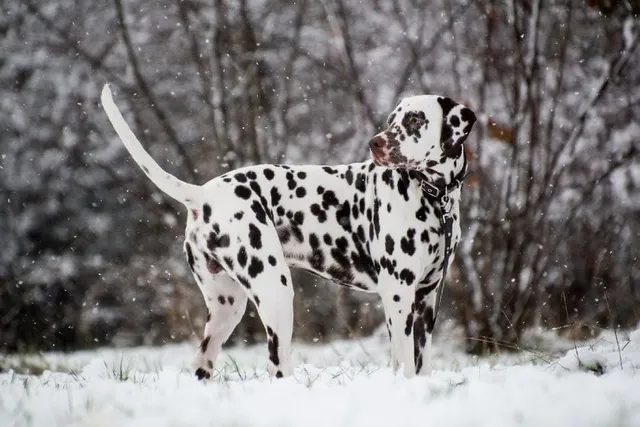
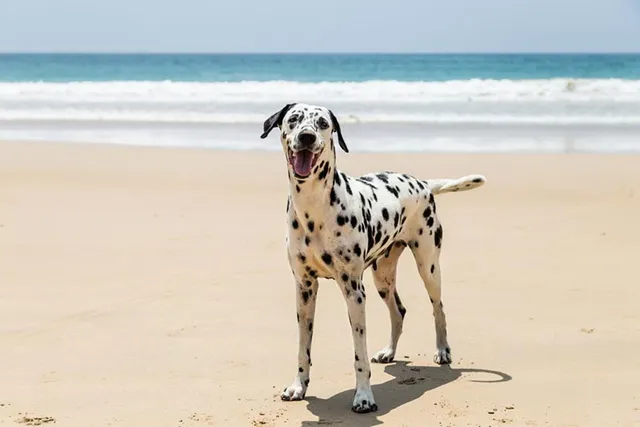
Dalmatians are a dignified and intelligent breed. They are well-known for their intriguing, beautiful spotted coats, as so proudly shown in Disney’s 101 Dalmatians.
If you are considering bringing a Dalmatian into your home or already have one, your dog’s health will certainly be on your mind. There are some health conditions Dalmatians are predisposed to, and it is important to be aware of them so you can watch out for the warning signs. If you want to learn more about the health problems that your Dalmatian may be at higher risk of developing, keep reading below.

The 10 Common Health Problems in Dalmatians
1. Hypothyroidism
When dogs contract hypothyroidism, the thyroid gland does not produce an adequate amount of thyroid hormones. These hormones play a pivotal role in maintaining your dog’s metabolism, so when too little is produced, your dog’s metabolism becomes unbalanced.
This can lead to weight gain, lethargy, coldness, recurring skin and ear infections, poor coat quality, and stronger skin pigmentation. Less common signs may also occur, such as reproductive issues and neurological complications.
Treatment will require a regular thyroid hormone replacement, often taken orally. This treatment must be given to your dog for the rest of their life.

2. Iris Sphincter Dysplasia
Another issue that commonly plagues Dalmatians is iris sphincter dysplasia. This disease affects your dog’s eyes. It is most commonly seen in liver-spotted Dalmatians but can also be found in black-spotted Dalmatians.
It occurs when a Dalmatian’s pupils appear to be continuously dilated. This is either due to abnormal development or a deterioration of the iris sphincter, which is the muscle that causes your dog’s pupils to dilate and constrict. This will make your Dalmatian more sensitive to sunlight and possibly prone to other eye conditions.
3. Seizures
Seizures can be a frightening condition to deal with. They are caused by a sudden spike of electrical activity in the brain, causing your dog to tremble and lose awareness. Different seizures can lead to different signs, but generally, dogs experiencing a seizure will collapse, grow stiff, and paddle their limbs.
There are many potential causes of seizures, including several underlying health conditions. These include cancer, head trauma, and liver or kidney disease. Treatment will depend heavily on the cause of the seizures and the type and severity your dog is experiencing.
4. Deafness
Deafness is not uncommon in Dalmatians. Dogs can be born deaf or can develop hearing loss over time. Some dogs will experience complete hearing loss, while some will only lose part of their ability to hear.
Signs that your dog may have hearing loss include a lack of responsiveness to the sound of their name. Likewise, if they're not startled or woken up by sudden noises, it could indicate that your dog has complete or partial hearing loss.

5. Bladder Stones
Bladder stones are mineral deposits that start small but can grow over time, both in size and number. If your dog is suffering from bladder stones, you will typically notice at least one of the following signs: potty accidents, straining to urinate, discolored urination, and licking around the urinary opening.
A vet will likely recommend antibiotics or a therapeutic diet to treat bladder stones. Preventing bladder stones can be as simple as finding the proper diet. The vet can recommend a diet that is both nutritionally balanced and designed to combat the formation of bladder stones.
6. Hip Dysplasia
Hip dysplasia is most common in large-breed dogs, but other breeds can just as easily be affected. Dalmatians are prone to hip dysplasia, which is when the hip joint does not develop properly. This causes the joint to become loosened and can lead to dysfunction and pain. Later in life, it may create issues such as arthritis, muscular atrophy, and impeded mobility.
Signs of hip dysplasia include limping, lameness, and bunny-hopping. Your dog may also have difficulty standing and may sit in strange positions, and you may hear a crack or pop when your dog moves the affected joint.
There are two main treatment options available: surgery and medical management. Depending on the severity of your Dalmatian’s case, your vet may recommend one over the other. Physical therapy and other complementary treatments may be advisable as well.

7. Degenerative Myelopathy
Another condition to watch out for is degenerative myelopathy. This complication is a slow-progressing issue where the white matter of the spinal cord gradually degenerates. Although genetic causes are expected, the reason that degenerative myelopathy develops is not yet known. This condition leads to paralysis of the hind limbs.
The early stages of degenerative myelopathy may include weakness of the hind limbs, stumbling, and loss of muscle in the hind limbs. You may also notice that your dog’s toes are knuckled, and their nails are worn. Their hind legs will likely tremble.
Treatment includes medical prescriptions, supplements, and physical therapy. Supportive braces may also be used.
8. Copper-Associated Liver Disease
Copper-associated liver disease is a condition in which your Dalmatian has accumulated too much copper in their liver. Dogs afflicted with this condition may seem entirely healthy or may appear sickly and jaundiced. Either way, once your dog has received a diagnosis, it is vital to start treatment to reduce the amount of copper in your dog’s liver.
Your vet may recommend a diet that is low in copper to diminish the built-up copper in their system. Supplements may also be given to support your dog’s recovery, but it is unlikely that supplements will be the only option your vet suggests.

9. Laryngeal Paralysis
The larynx is situated at the top of your dog’s windpipe and is also known as the “voice box.” Not only does it help your dog to produce sound, but it is also essential in preventing food and water from entering your dog’s windpipe.
When your dog has laryngeal paralysis, that means that the muscles that open and close the larynx become weakened. This is due to a degeneration of the nerves and muscles in that area.
Signs that your dog may be afflicted with this condition include noisy panting, a change in voice, anxiety, weariness, and gagging when eating or drinking. In more severe instances, you may notice that your dog has difficulty breathing, discolored tongue or gums, and facial swelling. If you notice any of these worrying signs, go to your vet immediately.
10. Glaucoma
Glaucoma is an eye condition in which the pressure in the eyeball is increased. This is due to a lack of balance between the production and drainage of fluid in the eye. This condition is often painful and causes blindness due to the damage done to the optic nerve.
Signs that your Dalmatian may have developed glaucoma include dilated pupils, redness or swelling of the eye, constant rubbing around the eye, and watery discharge from the eye. You may also notice your dog bumping into people or things more often as they lose their eyesight.

Conclusion
No one wants to think about their dog in pain or peril, but it is important to be aware of the potential health risks our pets may be predisposed to so that we can act promptly if any troubling signs arise. Dalmatians may be prone to certain conditions, but that does not mean they cannot live healthy and fulfilling lives with the proper care.
See also:
Sources
https://nativepet.com/blogs/health/dalmatian-life-expectancy
https://www.cuteness.com/blog/content/common-health-issues-of-dalmatians
https://www.petmd.com/dog/conditions/endocrine/c_dg_hypothyroidism
https://www.petmd.com/dog/centers/nutrition/bladder-stones-in-dogs-what-are-the-signs-treament
https://www.petmd.com/dog/conditions/musculoskeletal/c_dg_hip_dysplasia
https://vetnutrition.tufts.edu/2017/10/copper-associated-liver-disease-in-dogs/
https://www.petmd.com/blogs/fullyvetted/2012/june/degenerative_myelopathy_in_dogs-25037
https://www.petmd.com/dog/conditions/respiratory/c_dg_laryngeal_disease
Featured Image Credit: Alexander Hagseth, Shutterstock
Expert dog care, straight to your inbox
News, insights, expert advice, and everything dog.

No spam — unsubscribe anytime.
By signing up, you agree to our Terms & Conditions and Privacy & Cookies Policy.
How useful was this post?
Click a star to rate. You can leave written feedback afterwards. (We read all feedback.)
Pets are Jordyn’s passion, especially cats. Whenever she has the opportunity, she loves to learn about animals and share her knowledge with everyone. She is devoted to her mischievous tabby cat named Jack and works hard to buy him his favorite toys and treats. Discovering new ways to better care for her pet is always on the top of her to-do list, and she is eager to help pet parents everywhere who have similar pursuits. In her free time, she loves to write, read, and take long walks. She has a creative spirit, which often helps her to come up with funny cat names.