Uveitis in Dogs: Vet-Reviewed Causes, Signs & Treatment


In this article
The ultimate goal of every dog owner is to have a happy and healthy pet, and one important aspect of a dog's well-being is their eye health. Unfortunately, there are many conditions that can affect a dog's eyes, including uveitis, a relatively common disorder.
In this article, we discuss what uveitis is and its causes and treatments.

What Is Uveitis?
Uveitis means inflammation of the uvea, so first, let’s examine the structure of the dog’s eye to understand what is the uvea and what are its parts.
The uvea is comprised of three parts:
The ciliary body and the iris together make up the anterior uveal tract. Uveitis is an inflammation that can affect one or more of these parts of the uvea.
Types of uveitis depending on the area that is affected:
What Are the Signs of Uveitis?
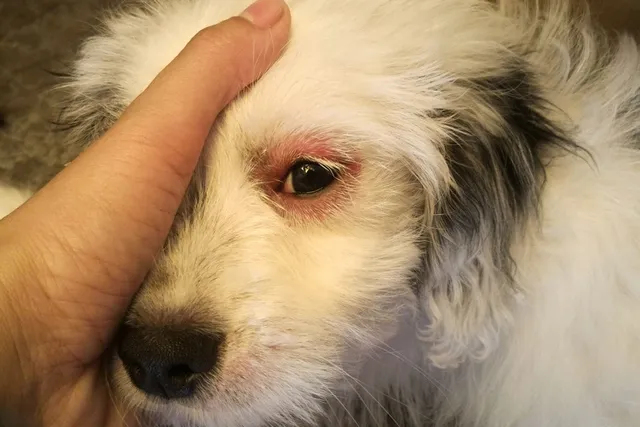
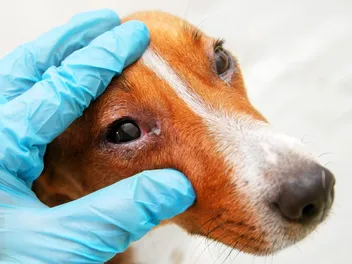
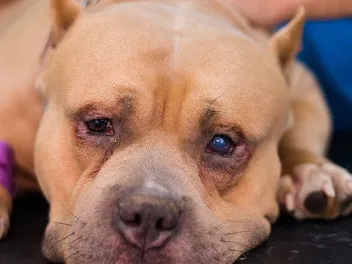
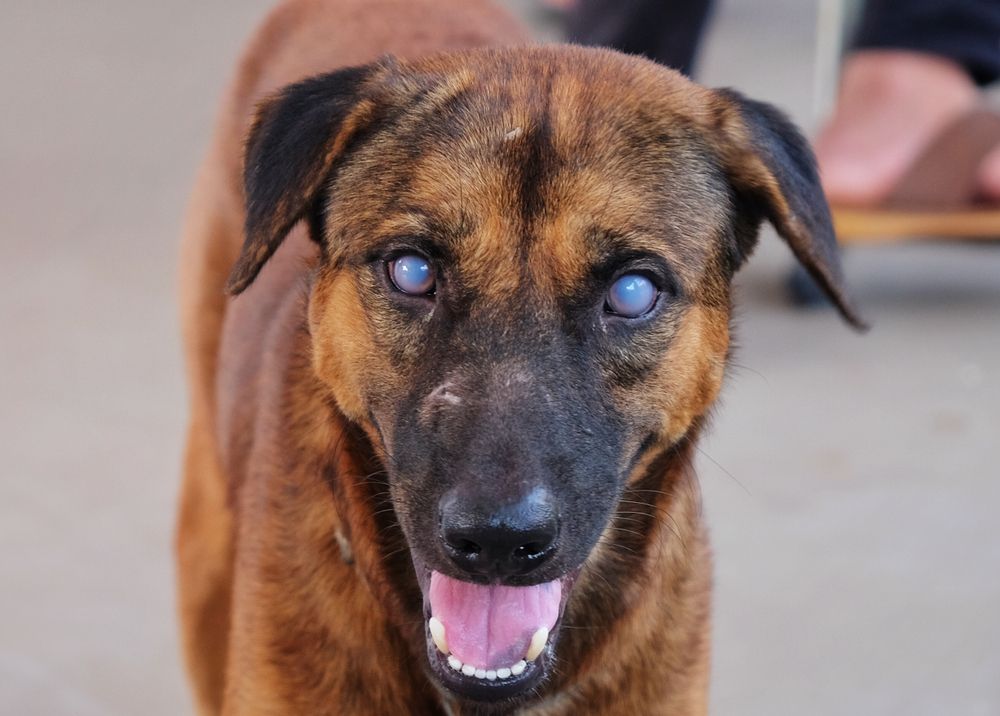
Uveitis is a painful and potentially blinding condition in which the vascular layer of the dog's eye becomes inflamed. Several conditions can lead to uveitis, but the signs that a dog exhibits tend to be quite similar regardless of the underlying cause.
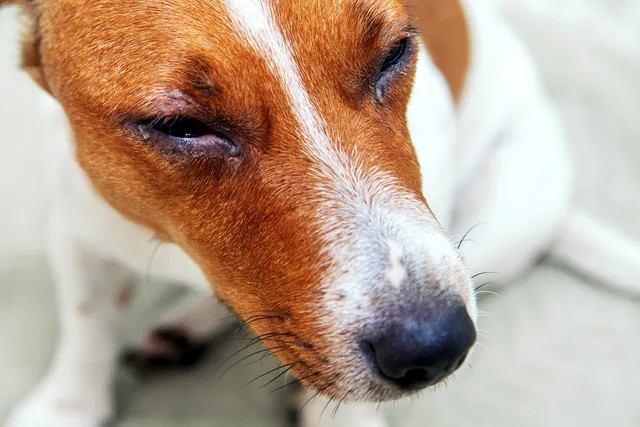
The most common signs of uveitis in dogs can include:
Depending on the type of uveitis that the dog has and its severity, the signs can be subtle or obvious, and there may be additional signs of an underlying condition.
If your dog is showing signs of uveitis, we suggest you speak to a vet.
What Are the Causes of Uveitis?
Several conditions can lead to uveitis, but sometimes, the cause is unknown.
The following are among the more common causes of uveitis in dogs:
Other factors that can contribute to uveitis include where the dog resides and their sex, age, and breed.

How Do I Care for a Dog With Uveitis?
Uveitis can lead to blindness and long-term ocular problems if left untreated, therefore the sooner your vet starts treating your dog, the better the chances of success. Treatment involves medication aimed to reduce the eye inflammation and pain and specific therapy against the problem causing uveitis. Your veterinarian may prescribe corticosteroids in the form of oral medication or eye drops or non-steroidal anti-inflammatory medication.
Most often, your dog will require prescribed eye drops or ointment and oral medication to relieve pain and inflammation, which you will need to administer at home. If the uveitis is caused by a bacterial infection, your dog will also need antibiotics, but if it is a fungal infection, your vet will prescribe an anti-fungal medication. The treatment plan will vary depending on the cause of the uveitis. Your vet may need to perform several tests on your dog to find out the cause behind your dog’s uveitis.
In some cases, uveitis can lead to serious complications such as glaucoma, retinal detachment, or lens luxation. Frequent check-ups and medications of various types are usually required during the treatment of uveitis. When uveitis is caused by a tumor, your veterinarian may recommend surgery. Even in very severe cases, and if your dog has lost their vision, your veterinarian may recommend removal of the eye, but this is always done as a last resort.

Frequently Asked Questions
How Is Uveitis in Dogs Diagnosed?
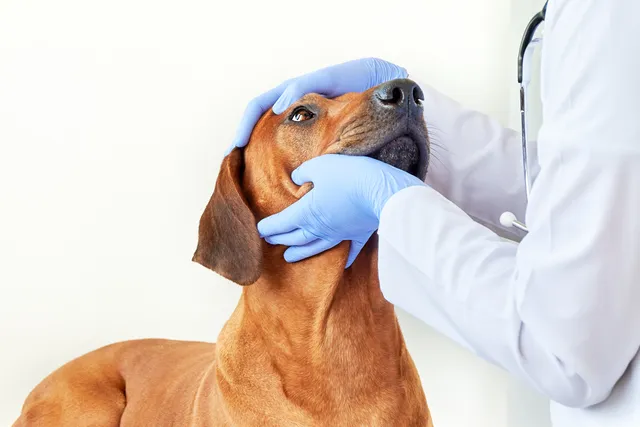
When you take your dog to the veterinarian, they will conduct a thorough physical and eye examination, which involves using some equipment, such as an ophthalmoscope or a slit lamp, to look inside the eye. This examination will help the vet make an initial diagnosis of uveitis. They will also check the intraocular pressure (IOP) levels, which can help differentiate between uveitis and glaucoma. If the IOP is low, it is likely uveitis, but if it is high, it could be glaucoma.
Additional tests, such as ultrasound, blood tests, X-rays, and urinalysis, might also be conducted to confirm or rule out any underlying conditions.
Is Uveitis an Emergency?
It's essential to treat your dog's condition as an emergency because uveitis can cause a great deal of pain, and if left untreated, there is a risk of blindness. Since there may be an underlying cause, additional treatment for this condition is necessary. Early diagnosis and immediate treatment will give your dog the best possible chance of recovery.

What Is the Prognosis for Dogs With Uveitis?
Some dogs will start to show signs of improvement within 24 to 48 hours of beginning treatment. However, the outcome is uncertain depending on the underlying cause of the problem.
If the issue is detected early, your dog is more likely to improve, but even when treatment is done quickly and correctly, it is possible for the disease to progress further and your dog may experience serious consequences. In most cases of uveitis dogs require a visit to a veterinary ophthalmologist in collaboration with your primary vet.
Conclusion
Uveitis is a serious condition that can cause severe pain and long-term consequences in canines, and it is vital to seek immediate veterinary attention if you believe that your dog might have it.
Since uveitis is typically caused by an underlying health condition, it is essential to take your dog to the vet as soon as possible so the primary condition can also be treated. When detected early, the prognosis is generally good, but severe uveitis can result in permanent blindness. Therefore, if you notice anything unusual with your dog, whether it is related to uveitis or not, it's imperative to take them to the vet without delay. This way, you can ensure that your dog remains pain-free and maintains healthy eyesight.
Featured Image Credit: Niraelanor, Shutterstock
Expert dog care, straight to your inbox
News, insights, expert advice, and everything dog.

No spam — unsubscribe anytime.
By signing up, you agree to our Terms & Conditions and Privacy & Cookies Policy.
How useful was this post?
Click a star to rate. You can leave written feedback afterwards. (We read all feedback.)
Kathryn was a librarian in a previous lifetime and is currently a writer about all things pets. When she was a kid, she hoped to work in a zoo or with wildlife in some way, thanks to her love for animals. Unfortunately, she's not strong in the sciences, so she fills her days with researching and writing about all kinds of animals and spends time playing with her adorable but terribly naughty tabby cat, Bella. Kathryn is hoping to add to her family in the near future – maybe another cat or two and a dog.