Iris Atrophy in Dogs: Vet-Reviewed Causes, Signs, & Care

In this article
Like their human owners, aging pets are subject to numerous eye disorders, including iris atrophy. As the aperture to the pupil, the iris plays a central role in maintaining comfortable vision under changing light intensity. As iris atrophy appears in dogs, warping and apparent damage to this colorful part of the eye can seem strange and worrisome.
Iris atrophy may be common in dogs, but it never fails to catch owners off guard. Although the condition rarely bears significant consequences, it is important to understand and differentiate it from other more troubling issues.

What Is Iris Atrophy in Dogs?
The iris is the colorful portion of the eye with an opening in the middle (the pupil). The muscle expands and contracts according to lighting shifts. It narrows in bright light and widens in low light, protecting the retina and allowing for comfortable vision in changing situations.
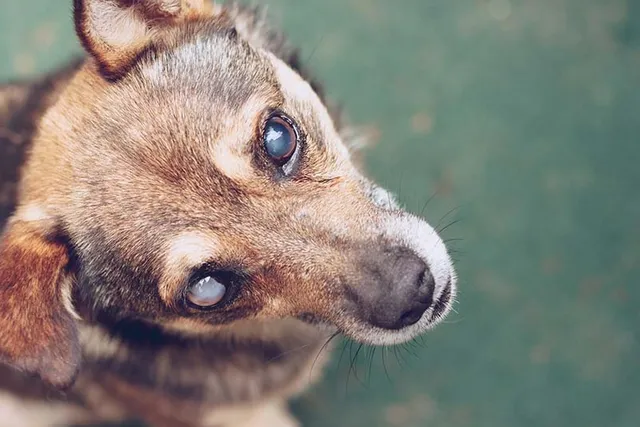
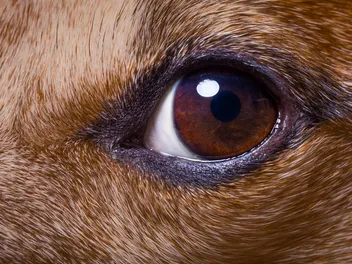
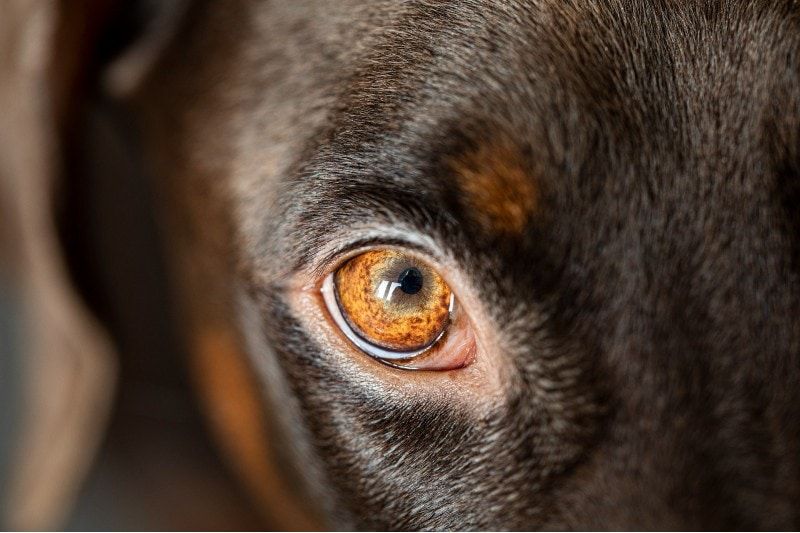
Iris atrophy occurs when the muscles in the iris start thinning and weakening. The first sign is visible around the pupil’s edge, which gives it an uneven shape. The condition may also appear as holes torn through sections of the iris. As a consequence of the weakening of the muscles, the normal opening and closing function will be affected and the iris’ response to light will be slower and incomplete.
Primary iris atrophy, or senile iris atrophy, is a progressive condition in older pets. There is no cure for this form of atrophy, though it often doesn’t cause significant vision problems for dogs. Dogs can lose the ability to adapt to changing light conditions and may appear more light-sensitive.

What Are the Signs of Iris Atrophy?
Iris atrophy typically doesn’t appear at similar rates in the left and right eyes, so anisocoria (unequal pupil sizes) is a common sign. Eye color may fade, while the iris can become translucent. The weakened muscle also may not respond quickly to light, leaving the pupil dilated. The pupil's irregular shape can be called dyscoria, and it has other causes; therefore, any changes in your dog’s pupil shape warrant a vet visit
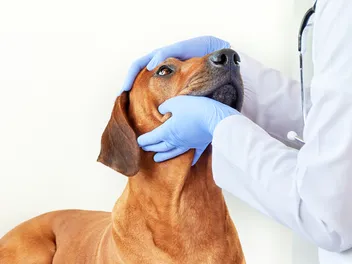
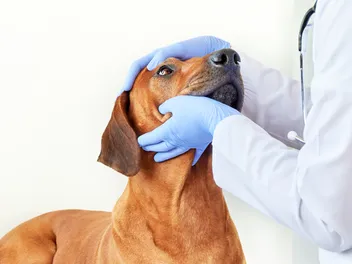
Vets perform simple ophthalmology tests for atrophy by shining a bright light in the eye to check for holes/misshapen iris edges and to watch for an unusual pupillary reflex response. Retro illumination techniques show clear images of defects within the iris, allowing for more accurate diagnoses.
Additional exams, such as intraocular pressure measurement, eye fundus exam, and ocular ultrasound, may be necessary to check for signs of trauma, cataracts, glaucoma, or uveitis.
What Are the Causes of Iris Atrophy?
Iris atrophy is a naturally occurring condition. It is also called senile iris atrophy, meaning it is an age-related change. Iris atrophy is relatively common in middle-aged and senior dogs. Any dog of any breed can develop the condition.
Toy and miniature dogs, including Miniature Schnauzers, Miniature Poodles, and Chihuahuas, are generally more susceptible.

How Do I Care for a Dog with Iris Atrophy?
Weekly eye checks should be part of your standard grooming practices. Any signs indicating an eye issue warrant an immediate conversation with the vet. While signs of changes may be due to irreversible iris atrophy, your vet must rule out several more severe conditions that could show similar indicators. Annual eye exams are an essential feature of a proper care routine.
Iris atrophy is painless and generally doesn’t cause vision problems. Because the sphincter muscle contracts slowly (or not at all), the eye can let in more light than is comfortable in bright areas. If your dog squints constantly or looks away from light sources, you can help them by setting them up with light-filtering dog goggles or changing the routine.
Walking and playing with your dog outside early in the morning or just after sunset will help them stay active and comfortable.
Always consult a veterinarian to find the best treatment for your dog.
Frequently Asked Questions
How Do You Keep Your Dog’s Eyes Healthy?
There isn’t much you can do about primary iris atrophy, but frequent checks and regular care will keep your dog’s eyes clean while allowing you to proactively approach anything that might seem off.
The following are a few general eye care tips to keep your dog’s sight healthy:
Understanding your breed’s unique susceptibility to iris atrophy and common eye issues to watch for will be beneficial in keeping them healthy. Inspect your dog’s eyes closely to recognize their unique details while healthy. Any minor change will be easier to spot when you establish a baseline for what’s normal, allowing you to respond with a call to your vet that much quicker.
Can Iris Atrophy Heal Itself?
Iris atrophy is an age-related change and can’t be cured or slowed down its progression. At the same time, it rarely affects your dog’s sight other than making them a bit light-sensitive because they can’t control the amount of light that enters the eye as before.
Conclusion
Misshapen and uneven pupils can be a concerning sign, but iris atrophy in dogs is rarely a substantial concern. When iris atrophy develops, there’s little you can do and not much you need to do, as dogs rarely have issues associated with it and they live happy, fulfilling lives with this age-related change.
Still, any change to your dog’s pupil size or shape should spark an immediate eye exam at the vet. If there’s a dangerous condition causing the iris changes, a fast response can make all the difference in avoiding a huge vet bill and saving your dog’s eyesight.
Sources
Featured Image Credit: Sabrinasfotos, Pixabay
Expert dog care, straight to your inbox
Vet-reviewed advice, training tips, and the best of Dogster. Free, and you can unsubscribe anytime.
By signing up, you agree to our Terms & Conditions and Privacy & Cookies Policy.
Nicole has loved animals of all sizes her whole life so it's no wonder she has dedicated her career to helping them through what she loves best: learning, writing, and sharing knowledge with others. She’s the proud mom of two dogs, a cat, and a human. With a degree in Education and 15+ years of writing experience, Nicole wants to help pet parents and pets around the planet to live happy, safe, and healthy lives.
Join the conversation
Ask a question, share your story, or send private feedback.