Can Dogs Drink Pool Water? Dangers Of Chlorine & Saltwater

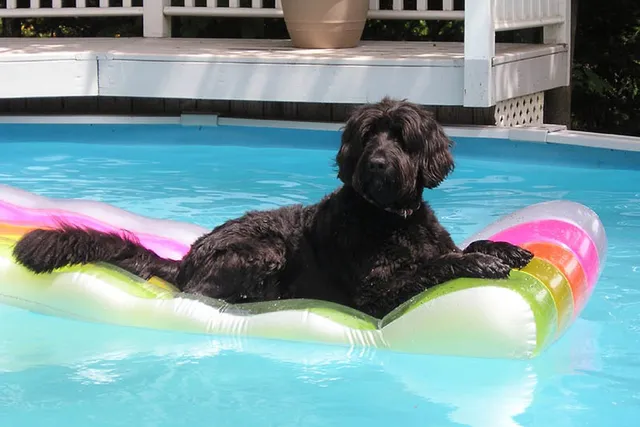
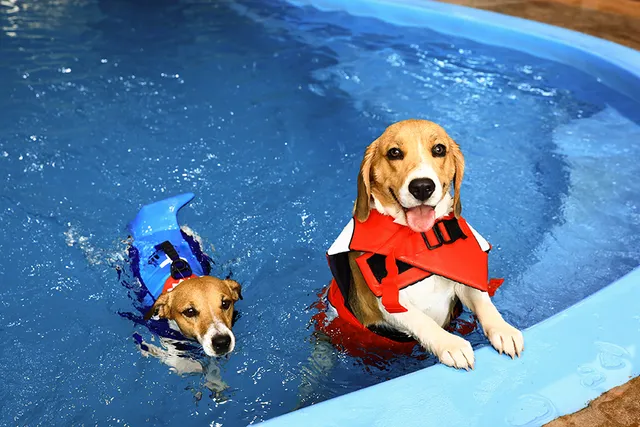
Some dogs are born natural swimmers,1 such as the Labrador Retriever, Portuguese Water Dog, and Otterhound. Freshwater water bodies can be hazardous since giardia can harm dogs and people.2 When you’re talking about pool water, it’s another story. The chemicals are necessary to make it safe for humans, but can dogs swallow the water?
The short answer is that an occasional swallow of treated water isn’t going to harm your pet—or you. At the very least, drinking salt water will only cause GI distress. However, large quantities are potentially fatal. In this article, we'll explain why.

The Proper Balance
Treating pool water is a necessary evil. Standing water invites bacteria, fungi, and a host of other nasty organisms to take up residence. Much of what can contaminate it is airborne and virtually impossible to avoid in an uncovered pool. You can treat the water with a pump and filter, which do the heavy lifting from the visible to the invisible. You can also use chemical treatments.
Chlorine is a popular choice because it’s effective and affordable. However, there’s an acceptable limit. It’s essential to balance cleanliness with safety. The maximum recommended concentration for an outdoor pool under 20 square meters is 5 mg/L.3 However, you’re drinking chlorine anyway if you’re on city water.
Of course, drinking water is regulated. According to the US Environmental Protection Agency (EPA), a concentration of up to 4 mg/L is safe.4 That figure applies to mammals like you and your dog. Even lesser concentrations are toxic to aquarium fish and aquatic plants.
Given a few conditions, the pool water is somewhat safe for your pup to drink. First, the water should be properly treated. Inadequate disinfection isn’t safe for you or your pet. Second, we started this piece by qualifying it with an occasional drink. Too much can cause a problem. Finally, your pool shouldn’t be your dog’s only water source. What happens if they drink too much of it?
Signs of Toxicity
Two concerns exist in this scenario. One is the disinfectant, and the other concerns the liquid. Drinking treated water can irritate your dog’s mouth and GI tract, which can lead to nausea and vomiting. It can also cause dehydration if your pet isn’t getting enough fluids to replace what they're losing.
The other concern is when dogs drink too much, leading to water intoxication. Your dog's body maintains a specific concentration of minerals like sodium and potassium. The risk occurs when your pet’s blood becomes too diluted from excessive intake. Levels of these electrolytes decrease to dangerous levels, a condition called hyponatremia. Signs of toxicity include the following:
- Pale gums
- Lethargy
- Dilated pupils
- Drooling
- Vomiting
It can be fatal if not treated promptly. It’s worth noting that it can also occur in people with similar signs and urgency.
Oceans, Seas, and Saltwater Pools, Oh, My!
Dogs should not drink saltwater from the ocean or a saltwater pool. The salinity range for seawater is 33–37 grams per liter, or 33,000 to 37,000 ppm. Saltwater pools have much lower concentrations, about a tenth of the salinity, or about 3,200 ppm.
However, the problem for people and dogs consuming saltwater involves another electrolyte, potassium. Sodium and chloride are the main dissolved salts in seawater. While potassium is also present, it’s not in the same ratio as blood. Therein lies the problems. The body balances the environments inside and outside of its cells. Ingesting a large quantity can throw the proverbial wrench in the works. A dog’s body will try to fix the situation by decreasing their blood volume.
Signs of Saltwater Toxicity
Drinking saltwater can create the perfect storm for dehydration. The excess water entering your pet’s GI system will cause vomiting and diarrhea. It’s worth noting this imbalance also affects cardiac function. It can also spur seizures, weakness, kidney failure, and death. Sadly, the prognosis is poor at best for a dog suffering from saltwater toxicity.

Final Thoughts
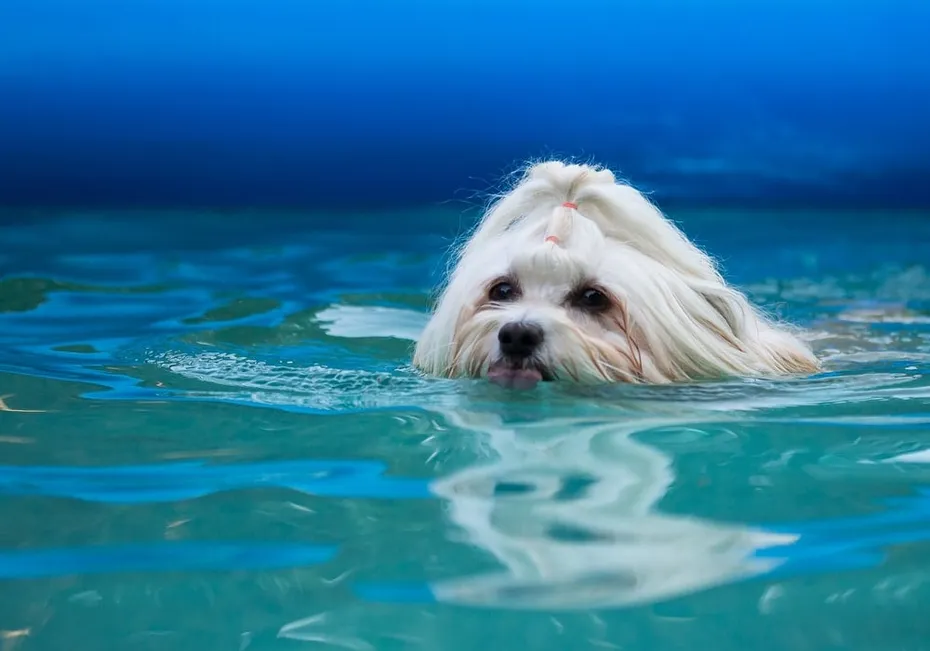
An occasional drink of pool water shouldn’t present any problems for your dog. However, excessive pool drinking is dangerous. Saltwater presents similar issues with more severe consequences, depending on the source. Bacteria and other pathogens can cause irritation and GI distress. However, too much can prove deadly.
Our advice is not to take chances. Make sure plenty of clean, fresh water is available for your pet when going to the pool or beach. The chances are they'll prefer cold water to warmer pool water. Don’t hesitate to make it a part of your pet’s training if you have a pool in your backyard. It’s far better to play it safe than rush your pet to the vet.
Related Read: Can Dogs Drink Oat Milk? Vet-Reviewed Facts & FAQ
Sources
Featured Image Credit: GoDog Photo, Shutterstock
Expert dog care, straight to your inbox
News, insights, expert advice, and everything dog.

No spam — unsubscribe anytime.
By signing up, you agree to our Terms & Conditions and Privacy & Cookies Policy.
How useful was this post?
Click a star to rate. You can leave written feedback afterwards. (We read all feedback.)
Since 2009, Chris has written on a variety of topics. Her motto with all of her writing is “science-based writing nurtured by education and critical thinking.” She specializes in scientific topics, with a special love for health and environmental topics, and of course, pets of all shapes and sizes.
Chris lives happily with her husband and three cats in the land of 10,000 lakes, writing, wining, and boating as much as she can. She and her husband, Norm, were awarded the State of Kentucky Colonel Honor for their restoration work at Mammoth Cave National Park.