Should You Separate Your Puppy & Older Dog? 7 Vet-Approved Introduction Tips


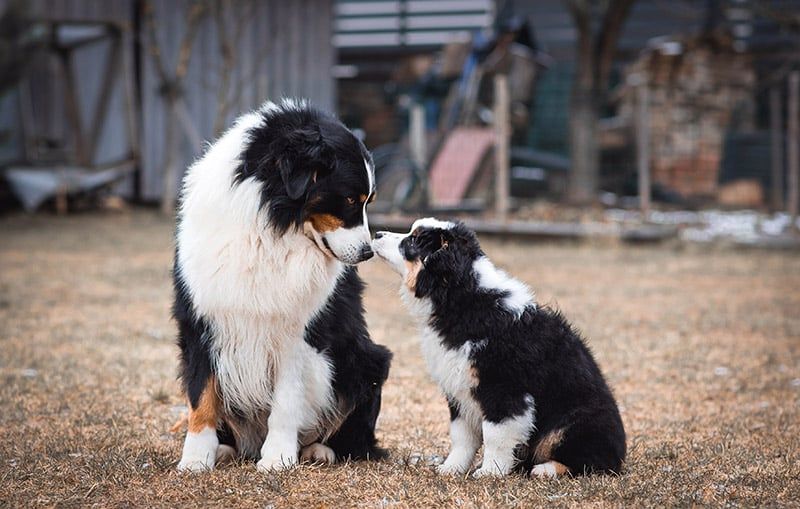
Puppies are often very ready to become part of the family right away, but introducing them to your older dog is sometimes easier said than done. Every puppy and adult or senior dog has their own unique personalities that can clash in a variety of ways, making it crucial for you to approach the task with patience and care. While separating the two at first may be helpful, there are some other guidelines you should follow as well.
To help you create a harmonic introduction for all dogs and humans involved, join us below as we break down the essential steps you will want to follow when introducing a new puppy to an older dog.

The 7 Tips for Introducing a Puppy to an Older Dog
1. Learn Dog Body Language
Before you have your puppy meet your older dog, you want to learn about how dogs use their body language so you can better read their interactions. As someone who already owns a dog, you might be familiar with some, but it never hurts to brush up on your knowledge.
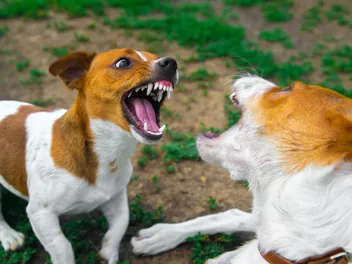
Some things are obvious, like growling, while others, like raised hackles, are less obvious to some pet parents. If you notice body stiffness and obvious reluctance during your dogs’ initial meetings, reduce their exposure to each other and try shorter sessions later on. Examples of friendly behavior you want to see include wagging tails, neutral ears, and loose, almost wiggly movements. Their faces may appear intent, but their mouths should be neutral and never display bared teeth.

2. Establish a Neutral Meeting Ground
Try using an area outside your home that your dog hasn’t been to as a first meeting spot. If it’s possible, rub a blanket on the puppy when you first meet them and place it in your home where the puppy will live. This helps your older dog get used to their scent being around the house before you drop the little furry bomb on them.
Think of a public, neutral location for the meeting area. If this is not practical for you, at least choose a public area of your home where your other dog doesn’t frequent. Both dogs should be leashed upon this first meeting, ideally by two handlers who can pull them back if either dog gets snappy. If they behave nicely, praise both dogs and move on.
If you notice friendly behavior turning into fearful or aggressive behavior, immediately end your neutral meeting to prevent negative associations from solidifying. Don’t scold the dogs, either. This is to avoid adding additional negative associations to the meeting. Try one short meeting in this neutral zone before moving on to the next tip.
3. Give Both Dogs Their Own Private Space
Before you bring your puppy home, you should have a secluded, private space for them like you presumably already have for your older dog. A quiet, covered corner with a pet bed or kennel can do the trick, for instance. However, it might be best to keep your new puppy in a separate room until your dogs adjust to each other’s presence. Many dog owners simply use the puppy’s travel crate, but make sure it’s large enough to be habitable, as travel-sized crates are too cramped for these purposes.
During the first few days, you should endeavor to keep both dogs’ areas separate and inaccessible to each other. In fact, we actually recommend separating them by a door. They’ll be able to sniff each other through the door, which helps get them acclimated. After some time, you can try to make another introduction. Remember, keep their meetings carefully controlled with leashes while they nose things out.

4. Devise a Feeding Plan
Mealtime can be a point of contention for older dogs who find themselves suddenly sharing their space with a new, often rowdy dog that doesn’t know the rules of dinnertime. Nip this in the bud by setting up separate doggy dining areas during the first few days while they get to know each other.
Your older dog may be suddenly interested in the puppy’s food as a way to display dominance or simply because it’s loaded with more tastiness than their boring old kibble. If it’s not practical to physically block areas, you can also stagger mealtimes and keep the dog that’s not currently eating in another room while the other eats. However, you should feed your older dog first and ensure that you stick to their regular routine as closely as possible.
5. Supervised Off-Leash Playdates
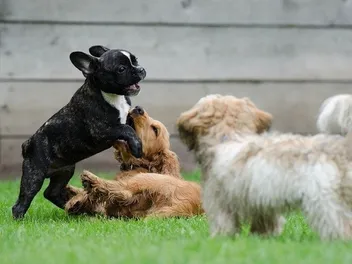
After you’ve had multiple leashed introductions and haven’t noticed any aggression between the two, it’s time to take the leashes off and let dogs be dogs. By now, your puppy and older dog should know how to play nice and can be trusted within your sight to behave politely and appropriately. Stay nearby to keep a close eye on the two, always watching so you can catch any mishaps before they become a problem. When redirecting the misbehaving dog, use a quick but firm “no.” If you’ve been careful up to now, the transition should be painless. However, that doesn’t mean you can let your guard down.
One tip to consider is crating your puppy while you’re not around. This allows your older dog to have the freedoms they’ve always had while still keeping your puppy protected in case your older dog grows annoyed and decides to lash out while you step out of the room.

6. Slowly Increase Time Spent Together
So, your dogs can be trusted to be nice or at least tolerate each other—congratulations! At first, you should aim for 15 or 30 minutes of unleashed supervised time, depending on how they get along. Your older dog may need breaks when they get overwhelmed, just like a parent with a young child. By now, you should be able to trust that your older dog knows how to appropriately interact with the puppy, whether they like to play with them or mostly ignore them. However, you need to gradually wean them of their supervised time. You can never be too safe, and it’s going to be a slow process, but it’s for the best.
7. Be Patient
If you have setbacks or your older dog becomes territorial, it’s okay to take a step back and slow down. Some dogs are pricklier than others about sharing their living space, especially if they’ve never lived with another dog before. Keep a bag of treats handy and be sure to use them for any prolonged positive interaction, and before you know it, your dogs will be the best of friends—or at least amicable housemates!

Conclusion
It’s not always smooth sailing when you’re adopting a new puppy, and your older dog doesn’t take it well. It can be a hair-pulling affair if they don’t hit it off, but with patience, positive reinforcement, and a slow, measured approach you can pull it off in no time.
Sources
Featured Image Credit: Sarune Kairyte, Shutterstock
Expert dog care, straight to your inbox
News, insights, expert advice, and everything dog.

No spam — unsubscribe anytime.
By signing up, you agree to our Terms & Conditions and Privacy & Cookies Policy.
How useful was this post?
Click a star to rate. You can leave written feedback afterwards. (We read all feedback.)
Codee Chessher is a freelance writer whose motto is: there is nothing a well-worded sentence can't accomplish! He loves to write about pets, travel, DIY, and more. Codee's experience is varied, but the written word has always been his strongest and biggest passion.