7 Poodle Health Issues: Vet-Approved Signs & Treatment


In this article
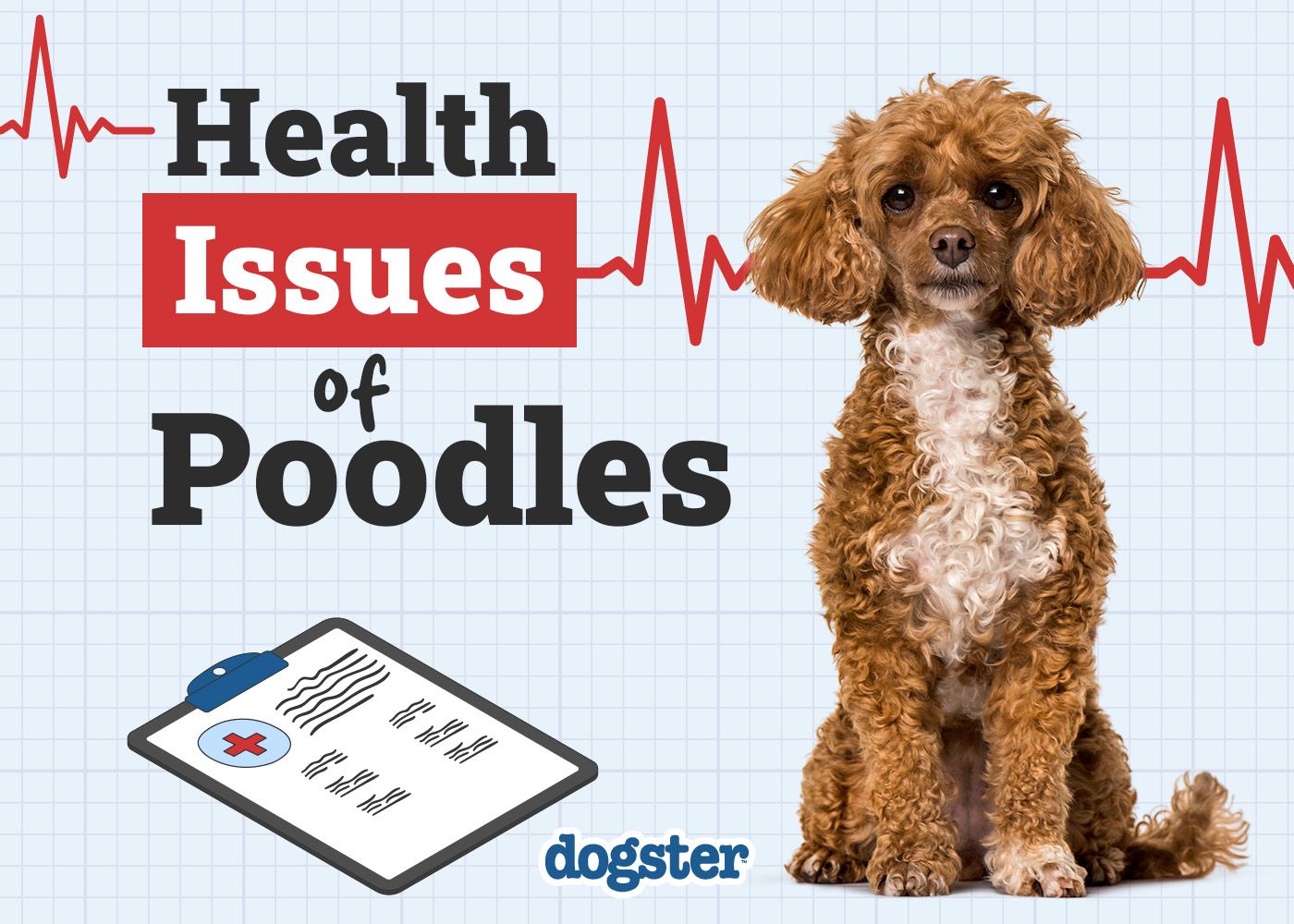
The Poodle is one of the most popular dog breeds, partly due to their low-shedding coat and keen intelligence. But this popularity means there are many Poodle owners out there who need to know about common concerns and potential problems associated with these lovable dogs. Poodles come from a long line of hunting dogs (they were originally bred to be water retrievers), and like many breeds, they can be prone to certain health issues. While most breeders will screen for these before selling their puppies, you should still be aware of the potential risks associated with this breed. Read on to learn about common health issues with Poodles so you can be adequately prepared if something goes wrong.

Major Conditions
1. Gastric Dilatation-Volvulus (GDV)
Gastric dilatation-volvulus (GDV) is often known as “bloat.” It is one of the most severe non-traumatic conditions seen in dogs and requires urgent veterinary attention. This life-threatening disorder causes the stomach to twist and trap gas inside.
Though it’s more common in large and deep-chested breeds, Poodles are also at high risk. Fortunately, according to a U.K. study of 70,000 dogs, the survival rate for dogs that undergo surgery after being diagnosed with GDV is around 80%.1
Signs of bloat:
Treatment:
Immediate veterinary attention (within minutes to a few hours) is paramount to saving your dog's life. The vet must reduce pressure on the stomach wall and internal organs as quickly as possible and stabilize the dog before beginning abdominal surgery.
How to Reduce the Risk of Bloat in Your Poodle:
Note: Poodles are known for their nervous temperament, which can increase the risk of bloat. Regular exercise, playtime, and a quiet environment can help your dog be more relaxed.

2. Addison's Disease
Addison’s disease (also called hypoadrenocorticism) is an endocrine disorder caused by abnormally low production of hormones by the adrenal glands. These glands are located on top of the kidneys and produce the "stress" hormone called cortisol. Cortisol helps regulate the body's metabolism, inflammation, blood pressure, and immune system.
Signs of Addison’s disease:
Treatment:
There are several different types of treatments that can be used to treat Addison's disease and regulate the production of normal levels of cortisol. These medications can be taken orally or with an injection. Although there is no cure for Addison's disease, most dogs with this disorder do well after being diagnosed and live long and happy lives.
3. Sebaceous Adenitis
Sebaceous adenitis is a type of inflammatory skin disease that commonly affects young and middle-aged Poodles. The exact cause of this skin disease is still unknown.
Signs of sebaceous adenitis:
Treatment:
The treatment administered by the veterinarian will depend on the diagnosis and the stage of the disease. Antibiotic-based shampoos and other antibacterial products may be recommended by your vet as treatments that you can do at home to relieve your Poodle's symptoms.


Minor Conditions
4. Patellar Luxation
Patellar luxation is a condition where the kneecaps temporarily slip out of place. It is found more often in Toy Poodles but can also occur in Standard Poodles. This condition will not affect your dog's life expectancy but can cause pain and discomfort. Without treatment, arthritis and other orthopedic problems can develop and significantly affect your pet's quality of life.
Signs of patellar luxation:
Treatment:
Treatment for patellar luxation often involves anti-inflammatory medications, weight loss, and temporary restriction of exercise, depending on the severity of your dog's condition. Your veterinarian will need to perform a physical exam before establishing an appropriate treatment plan.

5. Eye Conditions
Poodles are particularly prone to hereditary eye diseases, such as cataracts. They are also more likely to develop eye problems from infections due to the shape of their eyes, such as entropion (when the eyelids turn inward and rub against the surface of the eye) and distichiasis (abnormal eyelash growth that can cause irritation). Surgery, eye drops, and antibiotics can help with many of these problems, but it’s essential to catch them early to prevent more severe issues.
6. Thyroid Issues
Thyroid issues are common in dogs and Poodles are no exception. They’re one of the breeds most affected by hypothyroidism, which is the result of an underactive thyroid gland. Most cases of thyroid disease start in aging dogs but can appear at any time during a dog’s lifetime.
Signs may include hair loss, excessive thirst, weight gain, lethargy, vomiting, and diarrhea. If you notice any of these signs in your Poodle, make sure to contact your veterinarian right away so they can check the condition of the thyroid gland. Thyroid issues usually are easily treatable with prescribed hormone supplements, but your dog will need to take this medication for the rest of their life.
If you are concerned about the health and well-being of your pet, we recommend getting in touch with a vet for guidance.
7. Skin Issues
Another common Poodle issue is skin problems. Poodles have a dense coat of curled hair that is high maintenance, requiring frequent brushing and bathing. In fact, many Poodle owners bathe their dogs once a week or more, which can put them at higher risk for skin conditions, especially if they are using harsh shampoos. Poodles are also more genetically prone to allergies and sensitivities to certain ingredients in shampoos, such as sulfate. These can cause conditions such as atopic dermatitis, which may require medication or even a change in diet. Poodles are prone to skin tumors, such as squamous cell carcinoma (the most common form of skin cancer) and melanoma. These are caused by exposure to UV rays, so it’s important to keep your Poodle out of the sun, especially when they are younger, and to use sunscreen on their skin when outdoors.

Tips for Keeping Your Poodle Healthy
While it's hard to know if your Poodle will suffer from any of these health conditions, the best thing that you can do for your dog is to provide them with a healthy, balanced life.
Diet
Feed your Poodle a well-balanced diet (divided into at least two meals a day) that provides enough nutrients to keep them healthy. It should include all the moisture and nutrition they need and be easily digestible. You should also limit the number of treats that you give your dog, as these can sometimes lead to overeating.
Exercise 🐕
Poodles are high-energy dogs that require a daily walk or run, plenty of exercise, and playtime. These dogs also need attention and mental stimulation, so they are not the breed to leave alone all day in a crate.

Regular Visits to the Vet
Make sure they get regular veterinary checkups and have all their shots up to date. After each outing, check your dog for ticks and fleas.
Grooming ✂️
Brush your Poodle regularly, but do not over-bathe them. Keep them away from harsh soaps, shampoos, and other products that can irritate their skin.

Summing Up
Overall, Poodles are generally healthy dogs with the potential for a long lifespan. However, it is important to be aware of the potential health risks of this breed and to take preventative measures. But keeping your Poodle healthy is much like keeping any dog healthy. You need to feed them a high-quality diet and to take care of their exercise needs. You should also watch your pup's weight so they don’t become overweight. If you notice that your pet isn't acting well or is eating less than usual, contact your veterinarian immediately.
If you take good care of your Poodle, they should be able to live a long and happy life.
Related Read:
Sources
Featured Image Credit: Baronb, Shutterstock-
Expert dog care, straight to your inbox
News, insights, expert advice, and everything dog.

No spam — unsubscribe anytime.
By signing up, you agree to our Terms & Conditions and Privacy & Cookies Policy.
How useful was this post?
Click a star to rate. You can leave written feedback afterwards. (We read all feedback.)
A biologist and science writer, Genevieve has a special fondness for capuchin monkeys, pumas, and kangaroos, which has inspired her to volunteer and work at wildlife rehabilitation centers in countries like Bolivia, Guatemala, Canada, and Australia. Now living as a Canadian expat in Argentina, she enjoys the sight of horses and cows outside her home office window every morning. Genevieve is the proud owner of three rescue dogs—Lemmy, Nala, and Pochi—and a lively kitten named Furiosa. She finds happiness and fulfillment in sharing her passion and extensive knowledge of animals with others.