11 Common Maltipoo Health Issues to Watch Out For: Signs & Treatments


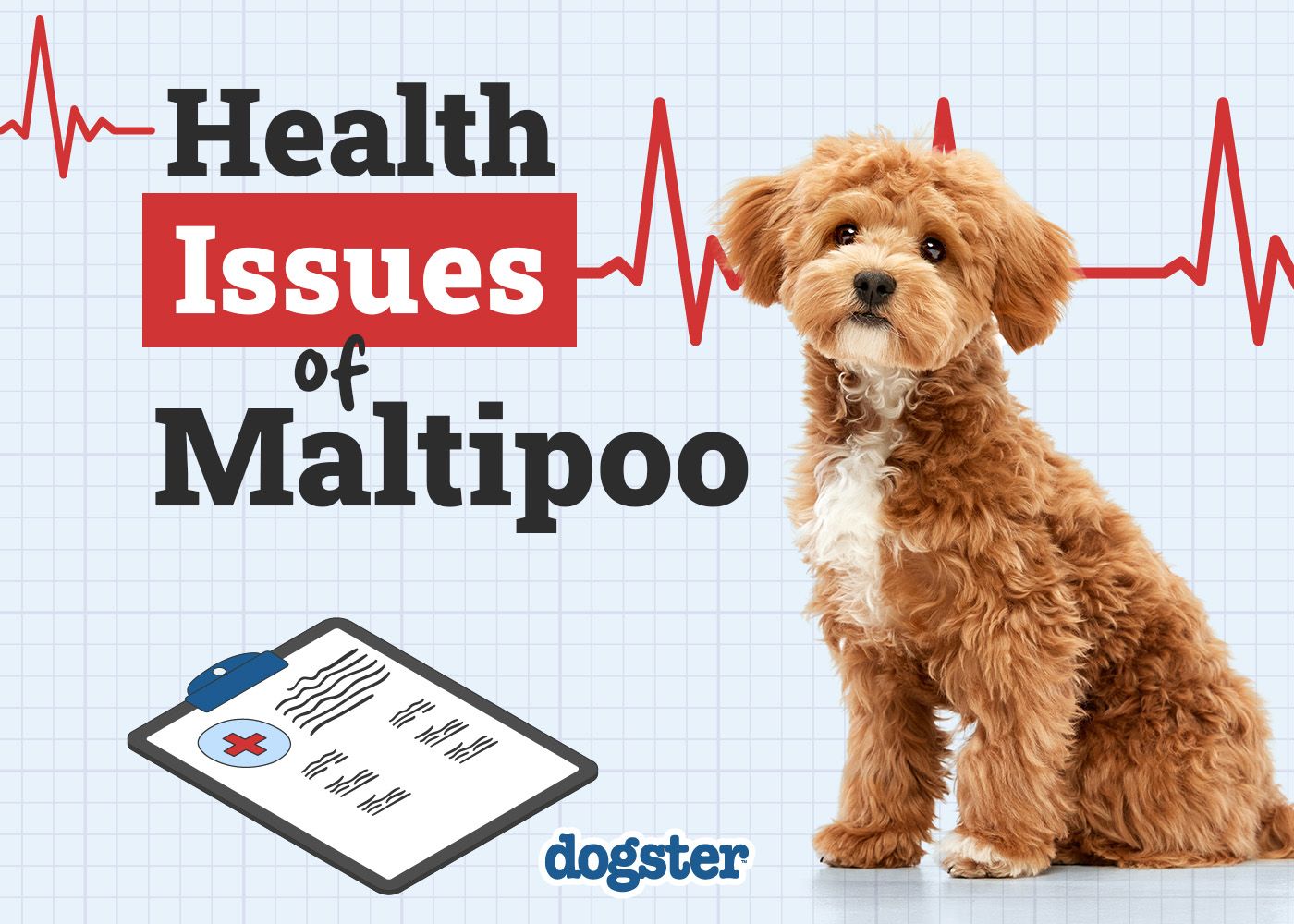
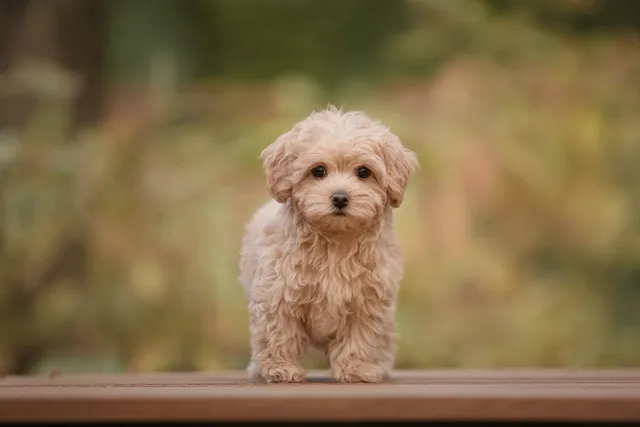
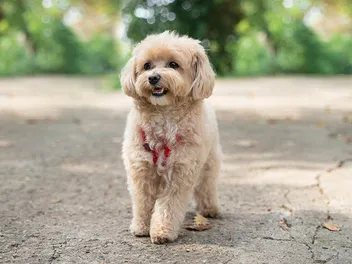
The Maltipoo is a crossbred dog, a mix between a Maltese and a Toy or Miniature Poodle. They live on average 12–15 years, which is an above-average lifespan. This long lifespan is backed up by what science tells us: Mixed-breed dogs live longer than purebred dogs.1 However, they are still prone to several issues that you should look out for so you can react quickly to keep your pet healthy. While the Maltipoo is a newer designer breed, their parents, the Maltese and Poodle, have long histories, and vets and breeders are familiar with their health problems, including any inheritable ones. Since they are a mixed breed, there are no official breed societies, and they are not recognized by any kennel club. The problem with this is that anyone can breed a Multipoo, from very responsible breeders who screen for health conditions to unscrupulous people looking to make a quick dollar.
If you are purchasing a Multipoo, we recommend learning about the common health problems, what you can do to prevent them, and asking your breeder the right questions to maximize your chances of getting a healthy dog.

The 11 Maltipoo Health Issues to Look Out For
1. Luxating Patella
| Contributing parent: | Poodle, Maltese |
A luxating patella is a condition that causes your dog’s kneecap to move out of position. In milder cases, the patellar may only slip out under stress or very rarely. In more severe cases, the luxation is frequent and painful. If left untreated, the wear and tear can cause arthritis in the knee.
Luxating Patella Signs and Treatment
Signs of a luxating patella¹ include a limp that comes and goes. A vet can detect this issue during a routine examination. While some cases warrant surgery, others can be managed with pain relief, physiotherapy, and arthritis treatments.

2. Allergies
| Contributing parent: | Maltese, Poodle |
Allergies are abnormal immune reactions to things like grass, dust, pollen, and sometimes food. There are genetic and environmental factors that contribute to a dog developing allergies, but they are noted commonly in Maltipoos.
Allergy signs and treatment
If your dog has allergies, the main signs you will usually notice are itchy skin and rashes. Depending on the type of allergy, recurrent ear infections or gastrointestinal signs can also be noted. Vets will generally try to narrow down the causes of allergy. Medication or a change in diet can help. Referral to a dermatologist for allergy testing can also be helpful.
3. Shaker Syndrome
| Contributing parent: | Maltese, Poodle |
Shaker syndrome is a condition that causes tremors in the dog’s body and head. Many people call it the “little white shaker syndrome” because it is common in small white dog breeds, like the Maltese parent of the Maltipoo, as well as the Poodle.
Shaker Syndrome Signs and Treatment
Dogs with shaker syndrome¹ begin experiencing tremors in early adulthood, usually by 2 years of age. The involuntary muscle movements look like shaking and might occur in one body part or the entire body. The shaking will usually worsen when the dog gets excited or is active, and the signs will lessen when the dog relaxes or sleeps. Most dogs recover after a few weeks of treatment.

4. Cushing’s Disease
| Contributing parent: | Maltese, Poodle |
Cushing’s disease usually presents in older pets, and both Maltese and Poodles commonly suffer from it. Essentially, Cushing’s disease is a set of clinical signs or a “syndrome” caused by too much of the hormone cortisol.
Cushing’s Disease Signs and Treatment
Dogs with Cushing's disease have an increased thirst and appetite, and their hair may thin out, especially over their back. They can have a pot belly and weak muscles.
Generally, the Cushing’s can lead to more serious problems like liver damage, diabetes, and high blood pressure. There are medical and surgical treatment options, depending on the type of Cushing’s disease.
5. Dental Issues
| Contributing parent | Maltese, Poodle |
Dental issues are extremely common in dogs, including both the Maltese and Poodle parents of the Maltipoo. In fact, studies suggest that more than 80% of dogs¹ over 3 years old already suffer from the disease.
Dental Issue Signs and Treatment
The first signs of dental problems are bad breath and plaque build-up on the teeth. Eventually, tooth root infections can lead to pain in the mouth. The best option is to have your pet checked regularly. Brushing your dog’s teeth is effective and quite easy if you start when your Maltipoo is still a puppy. Prescription dental food is also good at cleaning the teeth and helping to reduce the progression of dental disease.
In certain cases, dental scale and polish and sometimes tooth extractions may be needed.

6. Portosystemic Shunts
| Contributing parent: | Maltese |
A portosystemic shunt is a condition where there is a connection between the portal vein and the systemic blood supply that enables blood to bypass the liver. It is usually the result of a congenital malformation, but other problems like a damaged liver can also cause it.
Portosystemic Shunt Signs and Treatment
If your dog is experiencing stunted growth, head pressing, staring off into space, and disorientation, they might have a portosystemic shunt. Special medication and a diet change can help stabilize your pet; however, if surgery is possible, it should be performed for the best outcome.
7. Corneal Ulcer
| Contributing parent: | Maltese |
A corneal ulcer occurs when there is damage to the eye's surface, known as the cornea. Dogs with prominent eyes and short faces, like the Maltese, are prone to ulcers because of objects hitting them in the eye.
Corneal Ulcer Signs and Treatment
Corneal ulcers are painful, so you will likely see a change in your pet’s behavior. They could squint or have discharge from the eye. In time, there can be a discoloration of the eye. This condition should be treated urgently to prevent complications. Typically, your dog will need pain relief and eye ointment until the ulcer heals.

8. Addison’s Disease
| Contributing parent: | Poodle |
Addison’s disease is the opposite of Cushing’s disease; instead of too much cortisol, the body doesn’t produce enough. Poodles and Poodle mixes are prone to Addison’s disease.
Addison’s Disease Signs and Treatment
Signs of Addison’s disease include recurrent vomiting and diarrhea, weight loss, shaking, and increased thirst. The signs tend to come and go. In severe cases, dogs can collapse with low blood pressure and kidney damage. Treatment often requires temporary hospitalization to resolve the emergency crisis, followed by lifelong medication that typically works very well.
If you are concerned about the health and well-being of your pet, we recommend getting in touch with a vet for guidance.
9. Femoral Head Necrosis
| Contributing parent: | Poodle, Maltese |
Femoral head necrosis, also known as Legg-Calvé-Perthes Disease, occurs sometimes in small breed dogs. It is caused by a loss of blood supply to the femoral head, which makes up part of the hip joint.
Femoral Head Necrosis Signs and Treatment
Femoral head necrosis is very painful. Your puppy might yelp, limp, or not want to walk. Their muscles in the affected leg could become weakened. This condition is treated with surgical removal of the femoral head. With some physical therapy, most small dogs recover very well after surgery.

10. Seizures
| Contributing parent: | Maltese, Poodle |
Epilepsy and an inflammatory condition known as “Meningitis of Unknown Origin” can cause seizures in Maltipoos. The cause of both these conditions is unknown, but in epilepsy, the brain structures are normal, whereas in meningitis, there is inflammation of the central nervous system.
Seizure signs and treatment
You will notice signs of a seizure, like sudden collapse, uncontrolled stiffening or movement of the body, loss of bladder or bowel control, jaw chattering, and foaming at the mouth. Your vet will need to do some diagnostic tests. Depending on the underlying cause, immunosuppressive or anti-convulsant medication may be used.
11. Obesity
| Contributing parent: | Maltese, Poodle |
Obesity is a common problem for many dog breeds, including the Poodle and Maltese parents of the Maltipoo, and reports suggest that 59% of dogs weigh more than they should.
Obesity can lead to several other health issues, including joint issues, heart problems, and many kinds of cancer. You should be familiar with the body condition score chart so that you can monitor your dog’s weight.
Obesity signs and treatment
Your dog is considered overweight when it’s difficult to feel their ribs. Your dog will likely also become lazy and spend more time lying around the house instead of playing. Treatment includes gentle exercise like walking and swimming, and reducing their calorie intake, including cutting out treats and choosing low-calorie foods.
Closing Thoughts
While this list can make it seem like the Maltipoo is an unhealthy breed, they have an average lifespan of about 12-15 years, making them long-lived dogs. Obesity and dental issues are both preventable but can cause serious problems if left untreated. Other issues, like shaker syndrome and femoral head necrosis, can occur, but they are rare, and good breeding makes them even less frequent. Luxating patella and allergies are probably the most common health complaints in younger Maltipoos.
Sources
https://pethealthpros.com/blogs/news/maltipoo-health-issues-and-care-a-vets-perspective
https://vcahospitals.com/know-your-pet/shaker-syndrome-in-dogs
https://vcahospitals.com/know-your-pet/addisons-disease-in-dogs-overview
https://todaysveterinarypractice.com/neurology/the-canine-seizure-patient-four-important-questions/
Featured Image Credit: marketlan, Shutterstock
Expert dog care, straight to your inbox
News, insights, expert advice, and everything dog.

No spam — unsubscribe anytime.
By signing up, you agree to our Terms & Conditions and Privacy & Cookies Policy.
How useful was this post?
Click a star to rate. You can leave written feedback afterwards. (We read all feedback.)
Ed Malaker is a seasoned writer who has contributed to a wide range of blogs covering everything from tools to guitars, and pets to fitness. When Ed isn't writing, he is usually making DIY projects around the house or working in the garden.