10 Shih Tzu Eye Problems: Vet-Approved Facts & FAQ


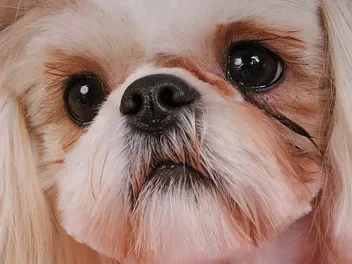
One of the cutest small dog breeds is the Shih Tzu. People love their flat face and prominent eyes, but the shape of their skull can give them health issues, especially for their eyes. Due to their shallow eye sockets and flat noses, their eyes are more susceptible to damage than breeds with longer faces.
Many eye problems can result in permanent blindness, but with an early diagnosis and the right treatment, you can protect your Shih Tzu’s eyes in many cases. Certain genetic conditions can’t be treated, however. Here’s a list of common eye problems among Shih Tzus so you know what to look out for to prevent serious damage or to prepare for your dog’s vision loss.
With the number of eye problems that Shih Tzus are prone to developing, it’s no surprise that they’re at higher risk of going blind as a consequence of an eye problem. Blindness can be caused by untreated trauma, wounds, infection, or some genetic diseases like glaucoma, retinal disease or cataracts. Underlying health issues like diabetes can also increase your Shih Tzu’s risk of developing blinding issues like cataracts.

The 10 Shih Tzu Eye Problems
1. Proptosis
An eye problem common to the Shih Tzu is a condition known as ocular proptosis. This occurs when the eye is displaced out of its socket and it is common in dogs with bulging eyes. Brachycephalic dogs like the Shih Tzu have very shallow eye sockets, making them at higher risk of developing this problem due to blunt trauma or forceful restraining.
As the name suggests, ocular proptosis is when the eyes appear to bulge out of their sockets. This is a medical emergency and your veterinarian will have to intervene immediately to avoid blindness. The eyelids get trapped behind the eyeball, displacing it in the socket. There will be traction from the muscles that surround the eye and the optic nerve.
It’s a sudden condition that requires immediate medical attention, early intervention is essential to increase chances of success.
2. Cataracts

Another leading cause of eye problems in dogs—including the Shih Tzu—is cataracts. This is where the lens that sits behind the pupil begins to deteriorate and becomes cloudy. It’s the cloudiness of the lens that causes vision problems due to it interfering with how light hits the retina. If left untreated, your dog will inevitably go blind. Cataracts can be recognized due to the milky white or blue-gray color of the eye or eyes, if it affects both.
A condition called lenticular esclerosis can mimic the appearance of cataracts, and the good news is that this condition does not affect your dog’s sight and it is considered a normal aging change. Your vet will help you differentiate from the two conditions.
Cataracts are thought to be mostly caused by genetics, but they can develop as a result of the natural aging process and as a consequence of certain eye diseases (for example, retinal problems). Cataracts can be treated with surgery with great outcomes.
3. Cherry Eye

A common condition facing Shih Tzu puppies—though it can affect adults too, just less often—is “cherry eye.” It’s caused when the tear gland in the third eyelid pops out of its usual place and becomes inflamed. It can be recognized by the red lump that appears in the corner or the bottom of your dog’s eye.
Your dog can experience discomfort and irritation which can cause them to paw at their eyes more often, increasing the risk of them causing damage. If left untreated it can have serious consequences to your dog’s eyes. Luckily, it is one of the easiest conditions to spot. Contact your vet as soon as you notice the problem to avoid drying up of the gland. Your vet will likely schedule surgery to reposition the tear gland and will give you an eye ointment in the meantime.
4. Corneal Ulcers
Shih Tzus have prominent eyes due to the shape of their skull. While this gives them their big-eyed, adorable appearance, it also puts their eyes at risk of damage due to scratches and punctures. Corneal ulcers affect the front of the eye, the part that’s more easily damaged by foreign objects that might brush up against it.
Since ulcers are painful, you’ll find that your dog will be more likely to keep their eyes closed or rub their face with their paws or on the floor more frequently.
Corneal ulcers are most often caused by trauma or contact with irritants. This can be a result of your Shih Tzu rubbing their face on the floor, getting into a fight with another animal, or something simple like shampoo getting in their eyes. Eye infections can also cause corneal ulcers, but these conditions aren’t as common.
5. Dry Eye

Also known as keratoconjunctivitis sicca, dry eye is caused by the destruction of the tear glands. It can be caused by an immune-mediated attack of the gland or underlying health issues, like hypothyroidism, diabetes, Cushing’s disease, or neurological conditions. Shih Tzus that have had their tear glands removed (rather than replaced) due to cherry eye are usually more at risk of developing this condition.
Dry eye affects tear production. Without treatment, it can permanently damage your Shih Tzu's ability to make tears to protect their eyes. Watch out for thick yellow or green discharge that becomes crusty when dry and sticks to your Shih Tzu’s eyelids. In severe cases, it can also result in corneal scarring.
6. Eye Infections

One of the most common issues facing your Shih Tzu’s eyes is infection. Eye infections can be caused by viruses, bacteria, fungi, and parasites and can also occur after scratches on the cornea, irritants, or foreign bodies. Although it’s one of the most basic issues that your Shih Tzu can suffer from, it can be severe enough to lead to vision loss if left untreated.
Many other eye problems have similar symptoms, so it’s crucial to get the correct diagnosis to ensure that your dog receives proper treatment. Eye infections can be recognized by redness, swelling, smelly discharge, squinting, excessive blinking, refusal to open the eye, light sensitivity, and pawing at the eye.
7. Eyelash Disorders

A few of the issues Shih Tzu faces are a result of their eyelashes. Eyelash disorders are conditions where the eyelashes grow abnormally and potentially cause damage to the eye. There are three types that Shih Tzus can be prone to.
Distichiasis
Quite often, the hairs are soft and cause no problem, but in some cases, irritation from these hairs can cause discomfort, and in severe cases, they can damage the surface of the eyes to cause corneal ulcers. Distichiasis only requires treatment if the hairs are causing irritation. There are different ways to approach this problem, and luckily, some dogs don’t need surgery to solve it.
Ectopic cilia
Ectopic cilia are caused by eyelashes that grow on the inside of the eyelid rather than the edge. It’s a common eyelash disorder in Shih Tzus. These hairs always cause problems since they inevitably rub against the eye. Removing the ectopic eyelashes requires surgery.
Trichiasis
Trichiasis is when an eyelash or facial hairs grow toward the eye rather than curving away. This can cause tearing, corneal ulcers, and scarring.
8. Glaucoma
Like cataracts, glaucoma is a genetic problem that can affect Shih Tzus. A fluid called aqueous humor provides oxygen and nutrients to the parts of the eye. Inside the eye, the fluid is constantly produced and drained, maintaining a stable pressure. The area of the eye through which the fluid is eliminated is located between the cornea, iris, and outer layer.
Glaucoma occurs when there is an issue with the drainage of the fluid, which leads to increased pressure inside the eye. It can be a slow or sudden condition. The signs include watery discharge, sudden blindness, redness, swelling, dilated pupils, squinting, and cloudy eyes.
Treatment must start as soon as possible to help prevent damage to the eye due to the increased pressure. It’s often treated with eye drops and pain medication. Surgery is also possible, with varying results. In severe cases, if the eye becomes blind and painful, it can result in the removal of the eye.
Related Read: Iris Atrophy in Dogs: Vet-Approved Causes, Signs, & Care
9. Progressive Retinal Atrophy
One of the most serious conditions facing Shih Tzus is progressive retinal atrophy (PRA) since there is currently no cure for the disease. It’s a genetic disorder that can develop when a dog is as young as 2 years. It initially affects your dog’s night vision before progressing to complete blindness. Genetic testing is available and should be performed in dogs intended for breeding.
Since PRA is so slow to develop, it can be difficult to spot the warning signs, especially since most dogs adjust naturally to the condition. Many dogs will show reluctance, wariness, or clumsiness when they’re going downstairs or are in a dark or unfamiliar place. Dilated pupils, cataracts, and abnormally reflective eyes are also common signs to watch out for.
10. Retinal Detachment
The retina is a thin layer of photoreceptors and other processing cells that line the back of the eye. It’s this layer that takes in light and converts it into an electrical signal for the brain to translate into an image. Retinal detachment refers to this layer of cells peeling away from the back towards the inside of the eye, either completely or partially.
Retinal detachment can be caused by eye-related causes and often only affects one eye, or it can have systemic or full-body causes, which can affect both eyes at once. In most cases, the retina cannot be reattached, resulting in permanent blindness in one or both eyes, however, if the detachment is a consequence from a treatable problem and treatment is started quickly, the retina may reattach regaining some vision.

Why Are Shih Tzus Prone to Eye Problems?
Shih Tzus are a brachycephalic dog breed. This means they have an incredibly short head shape compared to many other dogs. While their squashed face is what gives them the adorable appearance that we all know and love, it’s also the cause of various health issues. Besides breathing issues, brachycephaly is known to cause eye problems due to the shallow eye sockets. Those eye sockets give the Shih Tzu their unique eyes but also limit how much protection their eyes have. Due to how prominent their eyes are, they’re much more easily injured than other dog breeds.
If you want more information or are concerned about the health of your pet, you should contact a vet.
At What Age Do Shih Tzus Commonly Go Blind?
Blindness can occur in Shih Tzus due to how common eye problems are in the breed. While many issues can be treated effectively if caught early enough, some problems don’t have a cure and can result in permanent blindness. Due to this, unfortunately Shih Tzus can go blind at any age.
There’s no specific age for Shih Tzus to go blind, though, and their vision loss depends on the type of eye problem that they have and their genetics. Some conditions progress slowly as your dog ages, like PRA. Others might result in sudden blindness when your dog is younger.
How Can You Tell if Your Shih Tzu Is Going Blind?
If their blindness develops over time, they will adjust to their worsening sight, and it can be difficult to tell that they're struggling at all.
Many dogs will show a few signs of vision loss, though, especially in places they’re unfamiliar with or when they walk up or down stairs. You might also notice their eyes being more reflective of light or less responsive to ambient light changes. Certain conditions, like cataracts, can affect the color of the eye and make it appear cloudy.
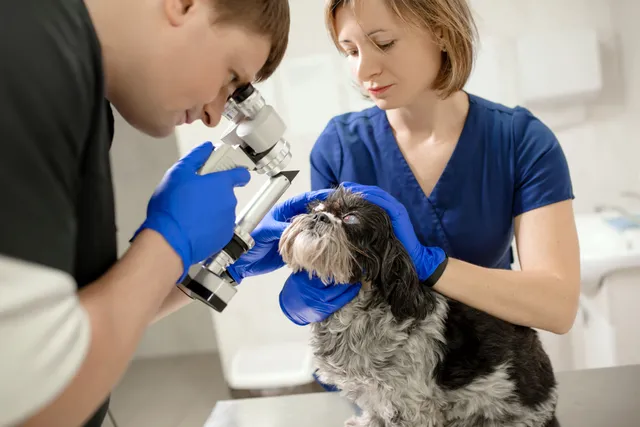
Regular eye tests by a veterinarian will help more accurately determine whether your dog is at risk of going blind, the cause of the problem, and whether the condition is treatable.

Conclusion
We have listed 10 common eye problems that can affect Shih Tzu dogs. The breed is more likely to suffer from these issues due to their genetics, and their shallow eye sockets and flat nose, which make their eyes more exposed to damage and make it easier for dirt and debris to get in their eyes.
If you notice any changes to your Shih Tzu’s eyes, contact your veterinarian straight away. In many cases, recognizing the signs of eye problems can help you take steps to treat the issue as soon as possible to prevent blindness. However, more severe cases result in the removal of the eye or permanent vision loss. Many Shih Tzus go blind slowly as they age and can still live their lives to the fullest.
Sources
Featured Image Credit: Drazen Zigic, Shutterstock
Expert dog care, straight to your inbox
Vet-reviewed advice, training tips, and the best of Dogster. Free, and you can unsubscribe anytime.
By signing up, you agree to our Terms & Conditions and Privacy & Cookies Policy.
Nicole has loved animals of all sizes her whole life so it's no wonder she has dedicated her career to helping them through what she loves best: learning, writing, and sharing knowledge with others. She’s the proud mom of two dogs, a cat, and a human. With a degree in Education and 15+ years of writing experience, Nicole wants to help pet parents and pets around the planet to live happy, safe, and healthy lives.
Join the conversation
Ask a question, share your story, or send private feedback.