Dog Eye Ulcers: Vet-Verified Signs, Diagnosis & Treatment


In this article
Dog eyes have a similar basic structure to human eyes. The clear structure that makes up the front of the eye is the cornea. It consists of four layers of specialized cells: epithelium, stroma, Descemet's membrane, and endothelium. Its function, along with the tear film covering it, is to protect the eye and to refract light. It’s transparent because of the lack of blood vessels, although it’s highly sensitive due to the presence of nerves.
While the thickness of a dog’s cornea increases with age, regardless of the dog’s age, it’s extremely thin. Its thickness is about half the one of a dime. This makes dogs very vulnerable to injury. Veterinarians call damage to this structure an eye or corneal ulcer. But what are the signs that something is wrong, and how is it treated? Let’s find out.

What Is a Dog Eye Ulcer?
The epithelium is a very thin cell layer and, thus, can easily get scratched if a dog runs into a low-hanging branch, for example. Continual renewal of the cells maintains its integrity, and it also allows the cornea to heal quickly if injured. Damage to the next layer is more serious. Prompt treatment of minor abrasions is necessary to prevent deeper ulcers and secondary bacterial infections that can lead to further complications.
Damage to the deeper layers of the cornea requires more aggressive treatment to maintain eye health. Dogs with flat faces or brachycephalic breeds, like Pugs, are most vulnerable because they suffer from a series of ocular abnormalities, called brachycephalic ocular syndrome, that make their eyes more exposed and less protected.

What Are the Signs of a Dog Eye Ulcer?
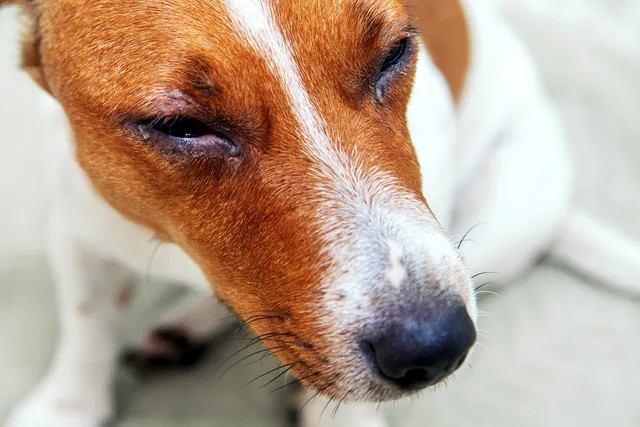
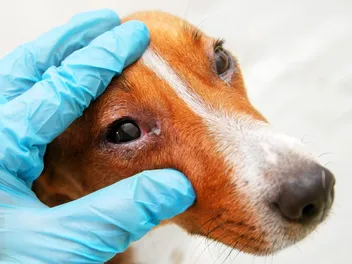
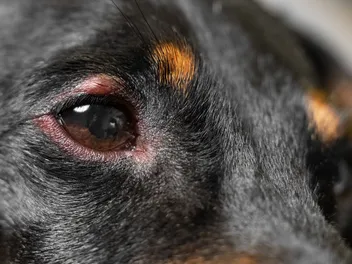
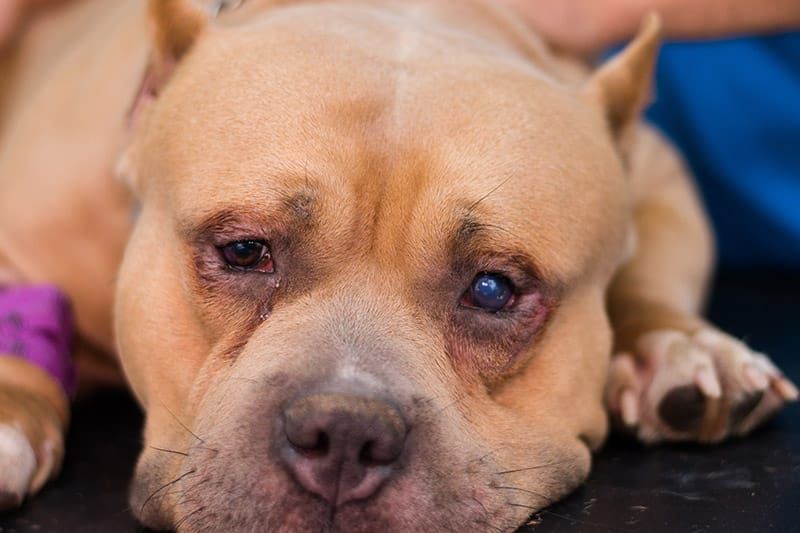
An eye ulcer is painful. Red flags of the issue are pretty evident because of the animal’s discomfort. You may notice your pup pawing at their face or keeping the affected eye closed. Other signs include the following:
- Redness
- Discharge or weepy eyes
- Eyelid inflammation
- Swelling
Your dog may be lethargic or experience a loss of appetite because of the pain a corneal ulcer causes. Some pets may hide since they may feel vulnerable with their compromised vision. If you suspect that your dog has developed an eye ulcer, you should contact your vet.
What Are the Causes of a Dog Eye Ulcer?
Injuries are one of the most common causes of corneal ulcers. They can occur when roughhousing or simply going out in the backyard. They can be self-inflicted if your dog rubs their face too hard to scratch an itch. Foreign bodies in your dog’s eye, such as plant material or debris, could also irritate and damage the cornea. Your pet’s third eyelid and eyelashes can prevent dust or sand from getting in their eyes, but sometimes, it’s inevitable on a windy day. Eyelid abnormalities are another common cause for corneal ulcers when eyelashes rub against the cornea.
Corneal ulcers can be complications of other eye disorders as well, like different types of corneal dystrophies. Susceptible breeds include Dachshunds, Chihuahuas, and Boston Terriers. This condition typically develops in older pets, and prompt treatment is necessary.
Corneal ulcers can also occur secondary to dry eye; for example, in diabetic dogs or those with hypothyroidism. Pups with dry eye or keratoconjunctivitis sicca (KCS) may be more susceptible to damage without the tear film that protects their eyes from daily hazards
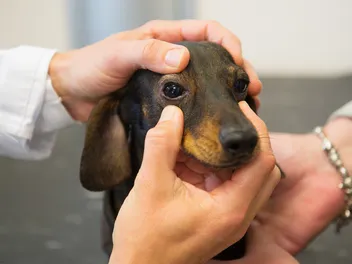
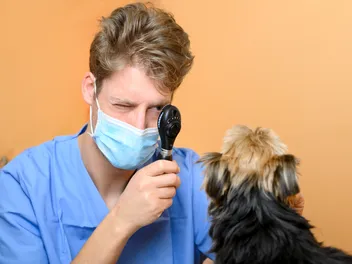
The varied causes mean your vet will do a complete workup to diagnose the issue. They can assess the size and depth of the damage by putting a stain called fluorescein into your dog’s eye to identify the abrasion or ulcer. More severe cases may require additional testing.

How Do I Care for a Dog With an Eye Ulcer?
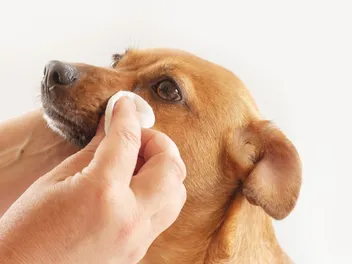
Superficial, non-complicated abrasions usually heal quickly because of the rapid cell replacement in the cornea. Your vet will likely prescribe ophthalmic antibiotic drops to prevent secondary infections, extra lubrication, and pain relief medication. You must administer the medication prescribed. Your vet may give you eye drops for pain as well. This medication relaxes the iris muscles to make your pet more comfortable.
It’s worth noting that atropine, one of the drugs that your vet may prescribe to manage pain, tastes bitter. Your dog may detect it from fluid draining into your pet’s mouth via the tear ducts, and it can cause drooling in some cases. Besides the medication, your vet may send you home with a protective cone or inflatable collar to keep your pup from pawing at their face.
The treatment of eye ulcers includes follow-up visits to ensure the affected eye is healing properly. The condition usually responds well to medication. However, a risk of complications exists that may require more aggressive treatment or possible surgery to repair the damage. Your vet may refer you to a veterinary ophthalmologist in these cases.
Frequently Asked Questions (FAQ)
Can I Treat My Dog Myself?
We strongly urge you to see your vet instead of using over-the-counter (OTC) eye drops. An eye ulcer must be assessed promptly since some of them require emergency surgery to repair the damage. Furthermore, some OTC eye products contain steroids, which can delay healing and increase the risk of complications.
What Are the Side Effects of Eye Meds?
Some pets may find the sensation of getting eye drops unpleasant. You may find that a treat will make the process more manageable for you. We mentioned atropine’s bitterness. These drops will also dilate your pup’s pupils, increasing their sensitivity to bright lights. We suggest limiting your pet’s discomfort by keeping the curtains drawn on sunny days.
Can I Prevent Corneal Ulcers?
You may not be able to protect your dog from all injuries. However, we suggest supervising your dog’s outdoor time, which may prevent some accidents from occurring. Be extra careful on windy days, when taking your dog to the beach, and at any time at all if your dog is a brachycephalic breed. We also recommend checking your pet’s eyes as part of routine grooming. Take them to the vet if you notice any redness or other signs of inflammation.
Conclusion
Eye injuries or conditions are serious issues that you shouldn’t ignore. Fortunately, superficial wounds heal quickly with medications. However, the prognosis is also dependent on the severity of the problem and your dog’s response to treatment. The takeaway is to act promptly if your pet is showing obvious signs of a corneal ulcer. It’s a painful condition that needs veterinary care to prevent it from worsening.
Sources
Featured Image Credit: Todorean Gabriel, Shutterstock
Expert dog care, straight to your inbox
Vet-reviewed advice, training tips, and the best of Dogster. Free, and you can unsubscribe anytime.
By signing up, you agree to our Terms & Conditions and Privacy & Cookies Policy.
Since 2009, Chris has written on a variety of topics. Her motto with all of her writing is “science-based writing nurtured by education and critical thinking.” She specializes in scientific topics, with a special love for health and environmental topics, and of course, pets of all shapes and sizes.
Chris lives happily with her husband and three cats in the land of 10,000 lakes, writing, wining, and boating as much as she can. She and her husband, Norm, were awarded the State of Kentucky Colonel Honor for their restoration work at Mammoth Cave National Park.
Join the conversation
Ask a question, share your story, or send private feedback.