How to Treat Noise Phobia in Dogs: 7 Vet-Approved Tips


Dogs have a highly keen sense of hearing which is more sensitive than ours. While most humans hear at frequencies of up to 20,000 Hertz (Hz), dogs can hear up to 45,000 Hz. They can also hear sounds further away, at lower decibels, and differentiate between different sounds better than we can. However, having a good sense of hearing makes most dogs sensitive to loud noises.
Although most dogs are fearful of loud noises, some dogs develop an intense fear of noises which can make them overly anxious and stressed. This could be from natural sounds of thunder or simply someone clapping their hands or a passing vehicle.
If you have a canine with a noise phobia, this article has tips to help them overcome it.

The 7 Tips to Treat Noise Phobia in Dogs
1. Learn to Recognize When They Show Signs of Fear
One of the ways you can help your dog overcome their noise phobia is to learn to recognize their signs of fear. Most dogs will show clear signs of fear when confronted with loud noises. Paying close attention to their body language and behavior following the loud noise can help you detect when they are fearful in the future.
This allows you to respond quicker when your dog is having a phobic reaction. This will be useful in helping your dog relax quicker and preventing any fearful and destructive behaviors such as escaping or agitation.
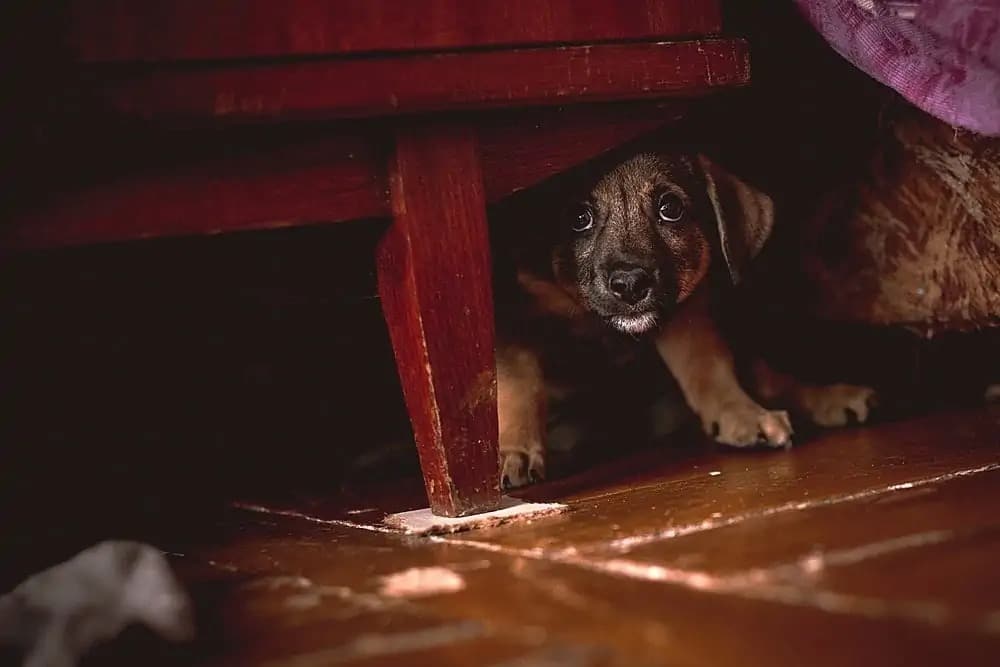
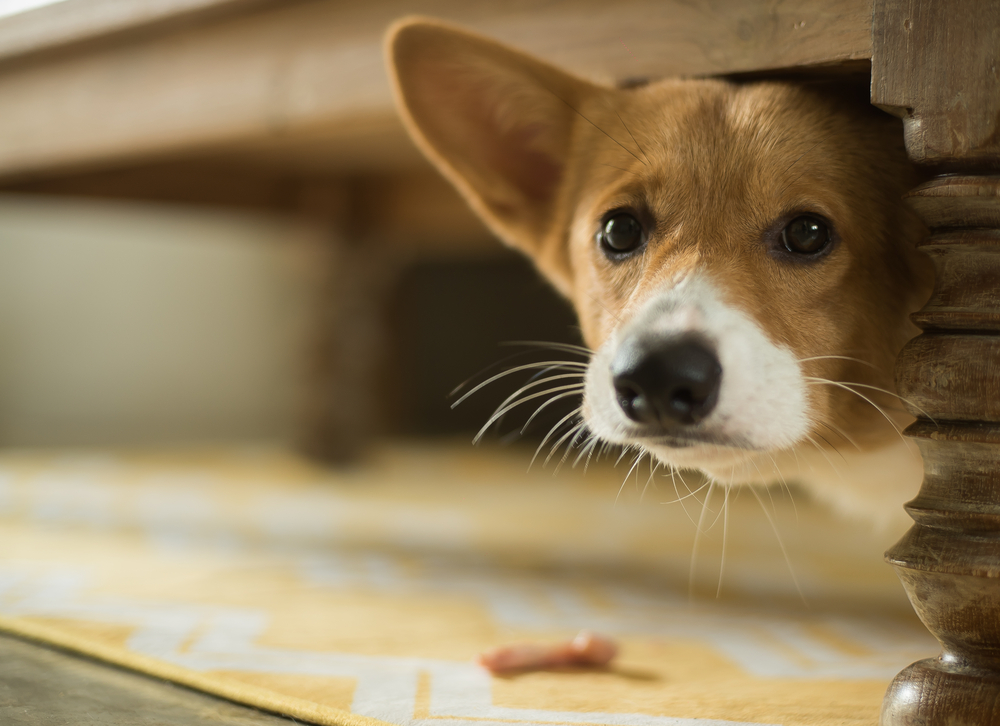
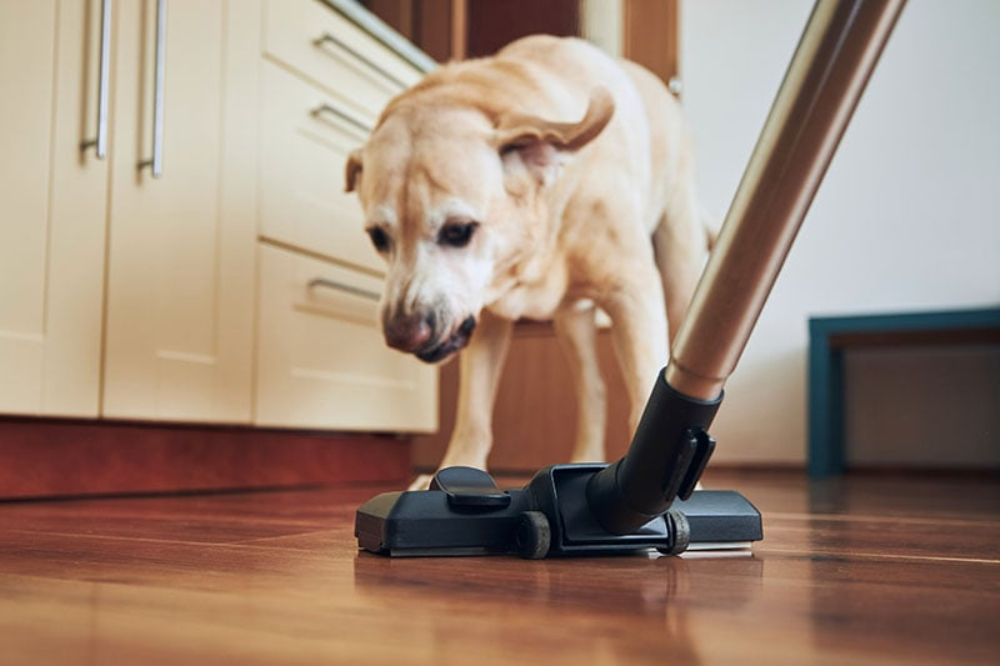
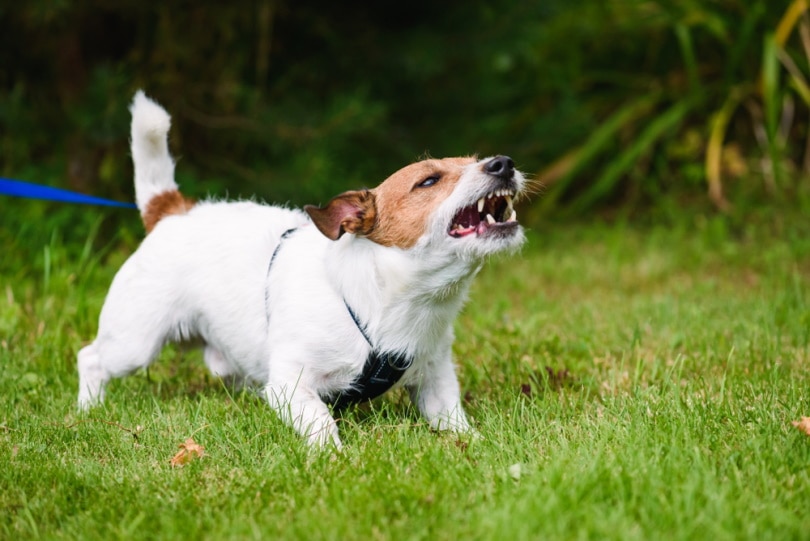
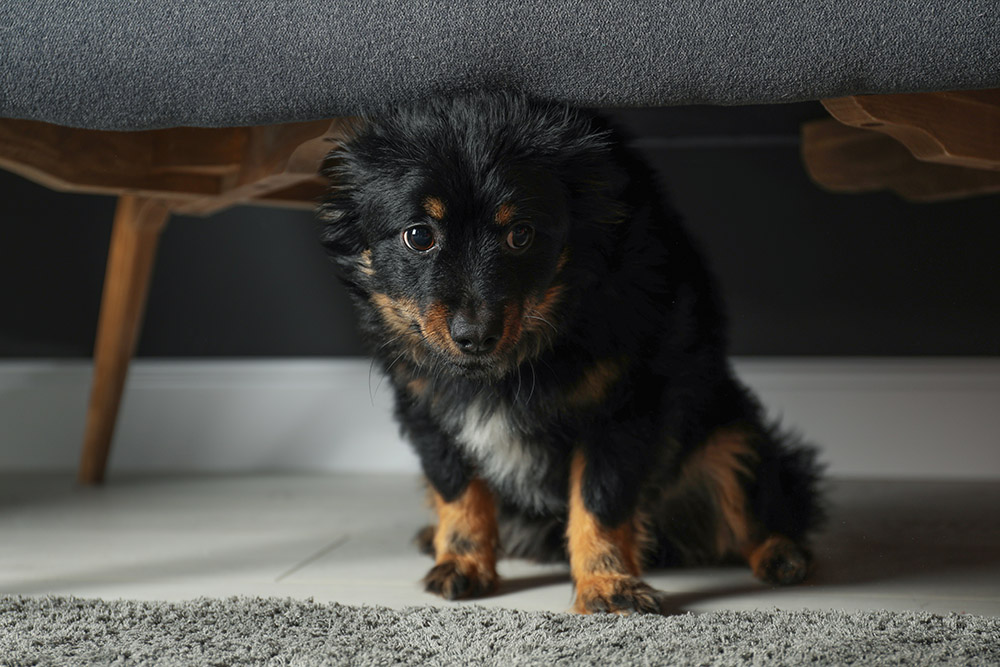
Signs your dog is fearful include:

2. Desensitization
Desensitization is a great method to help dogs overcome their phobia of noise. This behavioral modification process allows dogs to experience their phobias in a controlled environment at a gradual pace.
Over time, dogs should begin to get used to noises that once triggered a phobic response. However, most dogs never get over the phobia completely, but desensitization can help curb unwanted behaviors from their noise phobia.
You usually pair desensitization with counterconditioning (see later in the article), which helps replace a dog's unwanted response with a desired response. It’s a great way for dogs to begin associating the noises with something positive.
An example of desensitizing dogs to noises that make them have a phobic reaction is to play it at a low volume. Gradually increasing the noise over time can help acclimate dogs to it.
Set your dog up for success by choosing a level of noise they can cope with at first. If at any stage your dog becomes fearful, you will need to lower the noise and give them more time. Forcing them into stressful situations will make things worse in the long run.
3. Medications
Dogs who experience extreme phobic reactions to noise that lead to destructive behaviors, escaping, injuries to themself, or high stress levels may benefit from medications. Medications prescribed by a veterinarian used to manage anxiety in dogs can be helpful. However, medications are usually used alongside behavioral modification and environmental changes to treat noise phobias in dogs.
Medications won't necessarily cure your dog's noise phobia, but they can help them feel more at ease, and reduce the risk of them hurting themselves. Depending on your situation, your vet may prescribe a daily anxiety medication, like an SSRI, or other types of short-acting medication that you can give a few hours before the trigger occurs.
If the phobia doesn’t warrant medication, your vet may recommend some over-the-counter calming treatments like a thunder jacket, calming supplements or calming pheromone products.
4. Give Them a Safe Place to Retreat
Dogs dealing with a noise phobia need to have a safe place to retreat to when they are fearful. It’s natural for dogs to try to flee and hide away when they hear a loud noise. That’s why a safe place for them to retreat, such as a comfy crate or quiet room is important. You want your dog to feel secure while they deal with their phobic reactions, especially if they tend to run away or escape from loud noises.
You want your dog to associate their safe retreating place with something positive so that they go there instead of trying to leave the home.
You can cover their crate with a thick blanket to drown out the noise, and also play calming classical or dog music at a low volume.
5. Early Socialization
Early socialization is crucial in helping dogs adjust to noise in various environments. It's normal for puppies to be fearful of loud noises, but they should be gradually exposed to different people, animals, and environments from a young age. Most puppies around 3 to 14 weeks old can begin the socialization process so that they can adjust to different noises, smells, sights, and environments.
The more exposure they have to different noises, the more you can help curb future noise phobias. However, it still won't prevent them from developing a noise phobia from specific traumatic events.

6. Counterconditioning
Counterconditioning could help prevent and manage a dog's fearful response to noises. It helps dogs learn through association and helps shift their emotional reactions to stimuli. It can be useful in treating noise phobias and reducing unwanted behaviors during phobic reactions. Counterconditioning helps encourage a positive emotional response to noises that make them fearful.
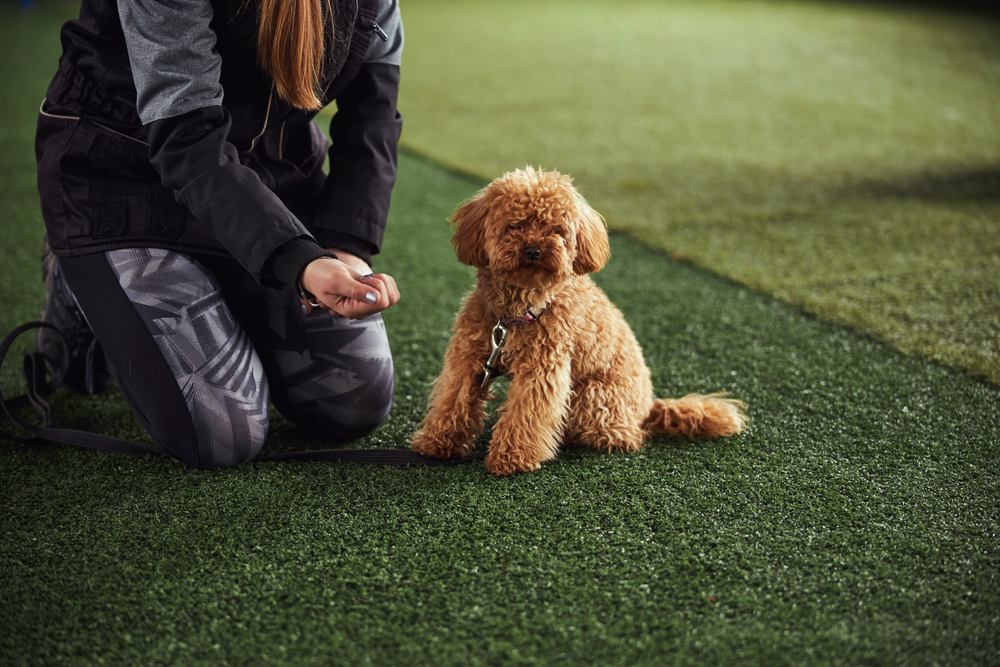
An example of counterconditioning is to give your dog a treat while playing a noise they fear. They naturally had a negative reaction to the noise beforehand. However, the treat they got given each time they heard it could help them feel more positive since they anticipate the treat. If your dog prefers play over food, a toy or game could work just as well. The key here is to make the noise stimulus very quiet, so their positive response wins over the fear. As desensitization kicks in, the noise can become gradually louder.
If at any stage your dog appears fearful, bring the stimulus back down. These things take time, and your dog may not be ready for the next step just yet.
7. Offer Positive Distractions
Distracting your dog when noises that are triggering a phobic reaction could be useful while treating their noise phobia. These distractions include playing soft music or television noises to drown out the triggering noise. Furthermore, you could offer your dog an interactive toy or their favorite toy as a distraction.
This is done in hopes of taking your dog's focus away from the triggering noise and possibly even allowing them to create positive associations between the noise and their distraction. Ask a veterinarian about the best ways to distract your dog safely.
Conclusion
It can be challenging to treat your dog's extreme noise phobias without the help of a professional. This is especially true if their noise phobia is influencing their everyday life and interfering with certain activities. It’s a good idea to seek help from a veterinarian or canine behaviorist when dealing with your dog's noise phobia.
Generally, treatment would include behavioral modifications, possible medications, and environmental changes.
Sources
Featured Image Credit: Paul's Lady, Shutterstock
Expert dog care, straight to your inbox
News, insights, expert advice, and everything dog.

No spam — unsubscribe anytime.
By signing up, you agree to our Terms & Conditions and Privacy & Cookies Policy.
How useful was this post?
Click a star to rate. You can leave written feedback afterwards. (We read all feedback.)
Sarah lives in South Africa with her partner and pets. She is currently interested in veterinary science and ichthyology, which she wants to study alongside her main passion: pet content writing. Sarah has over 60 fish including: goldfish, tropicals, shrimp, and snails. She also keeps hamsters and a tarantula. Sarah wishes to provide quality content to readers and allow others to learn from her experience and knowledge. Sarah has much experience in all aspects of pet care. Providing the world with the knowledge on ethical pet ownership is her lifelong dream.