How to Train a Skittish Dog: 13 Vet-Approved Tips & Tricks

In this article
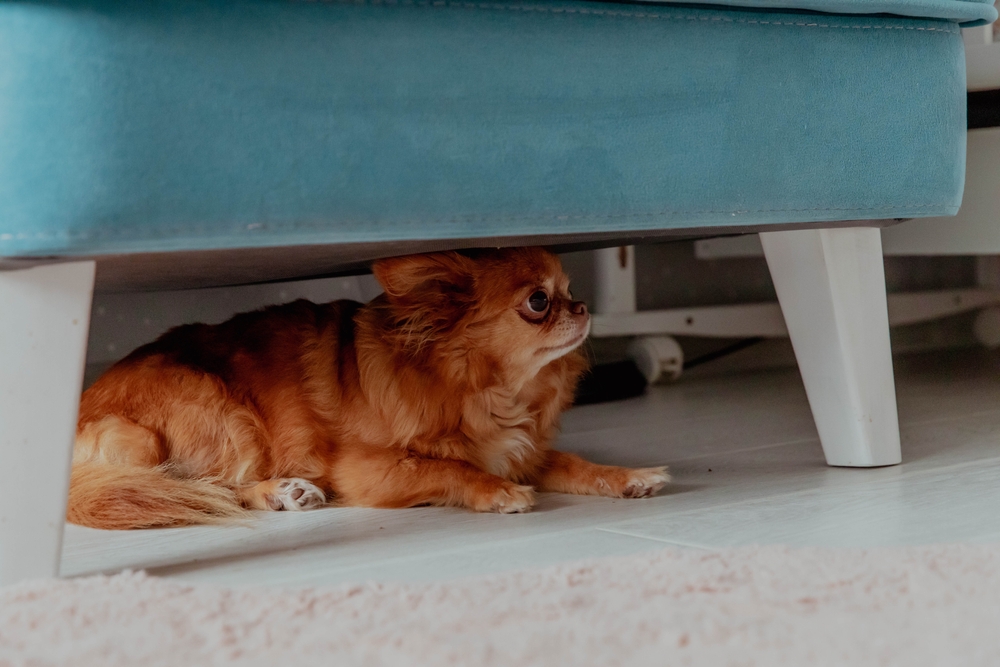
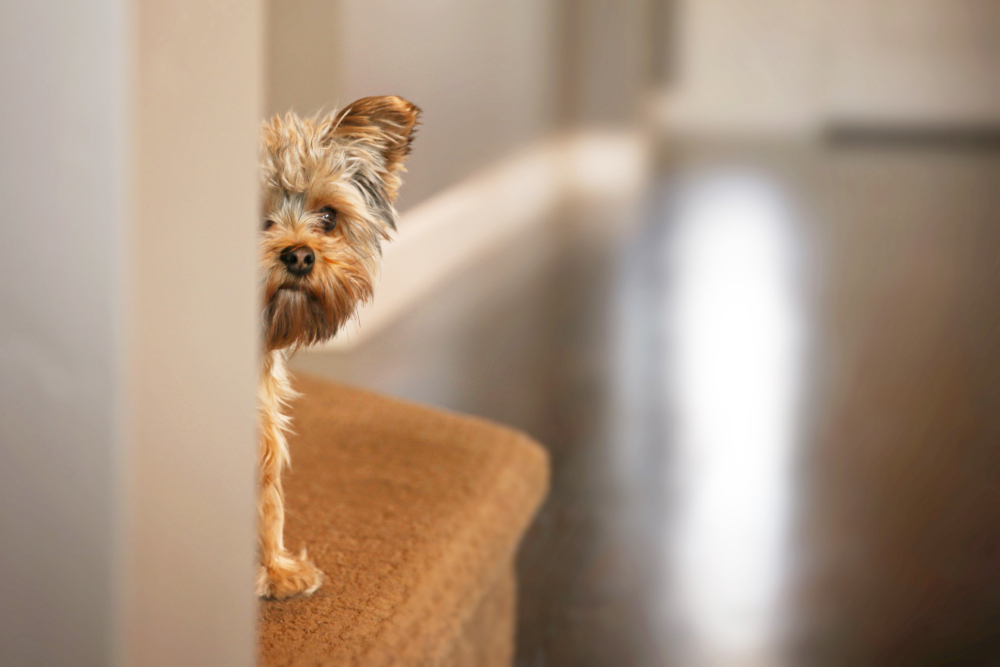
Some dogs are super confident. They’re confident at home, and get along with strangers as well as they do with family and friends. But, at the other end of the scale are dogs that get nervous at new situations, whether they occur at home or when out walking. While this kind of behavior is common in rescue dogs, it can happen with any dog, from any background.
While it does take patience and some extra effort on the part of the owner, it is usually possible to train even the most skittish dog so that it can take on new challenges with confidence.
Below are 13 tips and tricks to help improve your chances of successfully training your skittish or nervous pup so you can enjoy a fulfilling and less stressful time together.

The 13 Tips & Tricks to Train a Skittish Dog
1. Take Your Time
Training a skittish dog takes time and you shouldn’t expect results overnight. Skittish behavior can be very deep-rooted and may stem from some incident or incidents that have left traumatic memories.
Overcoming those traumas means building trust and replacing the negative memories with positive ones, and this can take months or even years. Your skittish dog may never enjoy being in large crowds unattended, or it may always show some signs of apprehension near busy roads.

2. Build Trust
Your pup needs to trust you. It needs to know that you have a handle on every situation and that you will look after their welfare and ensure their safety at all times.
Start building trust at home. Even if your dog’s skittish behavior occurs when you’re out of the house, on walks, or in specific circumstances, the foundations of trust are built in the home. This means being patient, using positive training methods, and giving your nervous pup a chance to overcome its anxiety and fears.
Try to identify the causes of anxiety that are leading to skittish behavior. While you may never know the original incident that led to these nervous reactions, you can identify what triggers bouts of anxious, skittish behavior.
3. Find Their Triggers
Find what triggers anxious or skittish behavior in your dog. This could be anything from people ringing the doorbell to seeing strangers approach while on a walk. It could even be when you approach your dog at home.
Identifying these triggers will enable you to use counter conditioning and it will make training easier.

4. Use Classical Conditioning
Classical conditioning is a type of training where an automatic response is caused by specific stimuli. The technique was developed by Ivan Pavlov. Pavlov would ring a bell every time he fed his dogs. By repeating this process with every meal, the dogs eventually salivated whenever they heard the sound of a bell, even when there was no food present.
This response can be used to help overcome anxiety or as a means to develop a strong bond between you and your dogs. Have some treats in your hand and, whenever you walk past your dog, drop one on the floor and keep walking. In time, your dog will get excited when you approach, expecting a treat to drop.
Similarly, if your dog gets anxious when people visit the house, you can employ similar methods to help eliminate this anxiety and replace it with positive expectations.
5. Use High-Value Rewards
Some dogs are motivated by food. Others are motivated by praise. And Labradors are motivated by toys. Identify your dog’s idea of a reward and use high-value rewards when working on anxiety. If they value food, find the tastiest treat they enjoy. If they enjoy praise, lavish it on them. If they like toys, provide a favorite toy and offer an intense play session as a reward for good behavior.
Anxiety is deeply rooted, and it can take a lot of effort, and considerable rewards, to even try and overcome it. This isn’t the time for a quick pat on the head or a dry dinner kibble reward.

6. Reward Confidence, Not Anxiety
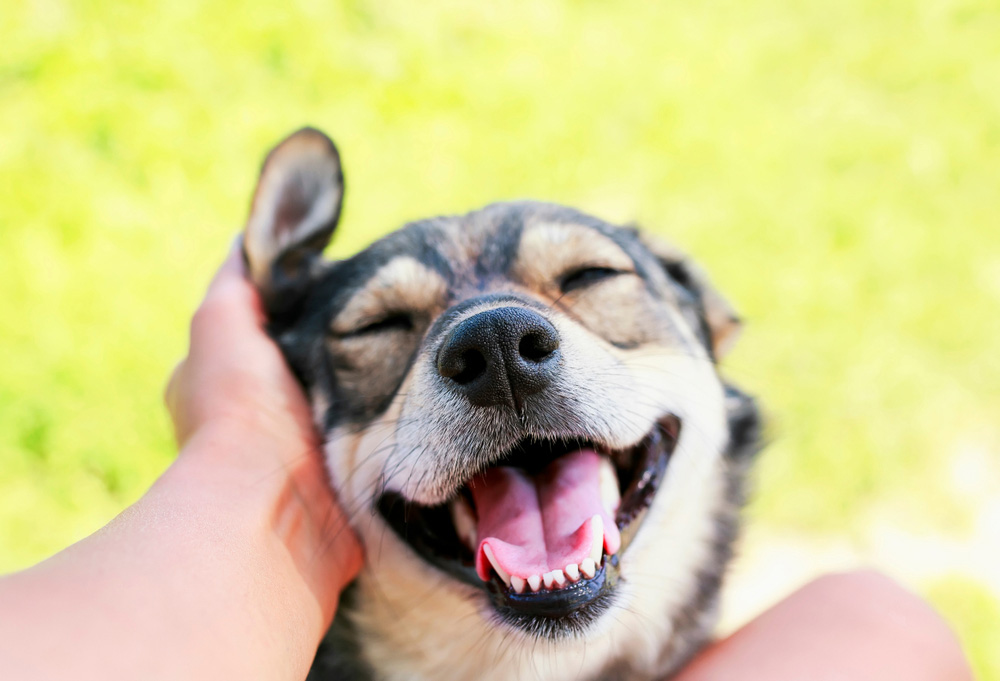
It is human nature to want to soothe and provide comfort when our loved ones show signs of stress or fear, however, this can sometimes have the opposite effect on a nervous, skittish dog. If anxiety is met with kisses and cuddles, this can actually reinforce those behaviors. Give neutral reactions to anxious behavior, and lots of praise and rewards to more confident strides.
7. Develop Routines
Dogs love routines and they learn them quickly. That’s why your dog knows when you should be feeding them and when it is time to go for a walk. While there should be some room for slight deviation from routines because life can get in the way, try and stick to the routines you develop as closely as possible.
It will make both your lives easier, and you may find that routine will help eliminate anxiety and skittish behavior.

8. Stay Calm
If you want your dog to be calm, you have to be calm, too. If your dog sees that you’re anxious it will reinforce the anxious feeling. Even if you aren’t feeling calm or patient, act like you are.
If you show signs of anxiety when people approach, it justifies the feelings of anxiety that your dog has. If you’re happy and breezy, or you ignore the approach of strangers, your dog will start to realize there is nothing to really worry about.
9. Be Patient
Anxiety is difficult to overcome, especially if it is caused by past traumatic events. It can take time to see any positive improvements, and you may never have a happy-go-lucky dog that is entirely comfortable in every situation. The process can take months and you need to remain patient throughout.

10. Only Use Positive Training Methods
Positive training methods are those that reward and reinforce positive behavior, unlike negative training methods that explicitly discourage negative behavior. Positive training methods will be more successful when dealing with anxiety because if you use negative techniques such as reprimanding your dog for being anxious, it will likely only make matters worse.
Ignore unwanted behavior and be prepared to offer plenty of praise and positive rewards for desired behavior.
11. Consider a Canine Buddy
Dogs learn from the people around them, but they can also learn from other dogs. We’re not suggesting you should get another pet to help your existing pet overcome anxiety, especially as introducing a new permanent resident to the home could trigger skittish behavior. But you could use a buddy-type system.
If you have friends with confident dogs, consider walking them together. Your pup will pick up cues and actions from the other dog, and in time they will learn to act similarly. Some dog trainers and behaviorists have their own dogs and may use them in this way, too.

12. Look into Supplements and Calming Aids
There are a number of pheromone or essential oil based products available as diffusers, sprays and wipes, that can help create a sense of calm for your nervous dog. Additionally, there are supplements with ingredients such as L-Tryptophan, GABA, or alpha-casozepine that help promote and sustain natural calming pathways. If you’re not sure, talk to a vet.
13. Get Professional Help
Talk to a vet for advice on how to help your dog become more confident. In some situations, medications can really help dogs overcome their initial anxiety and make it much easier for you to implement other training techniques.
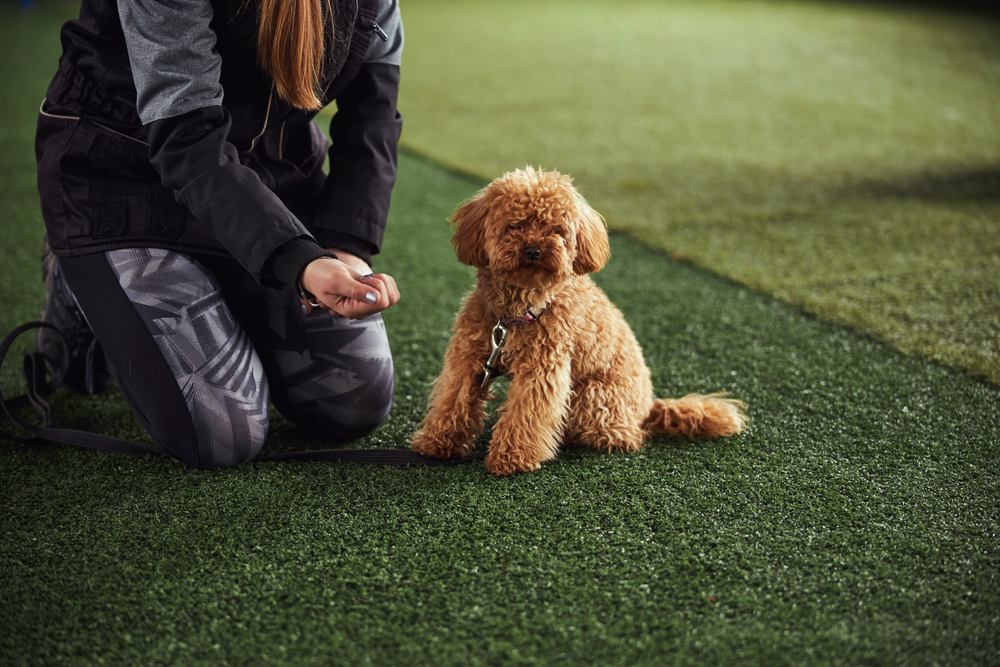
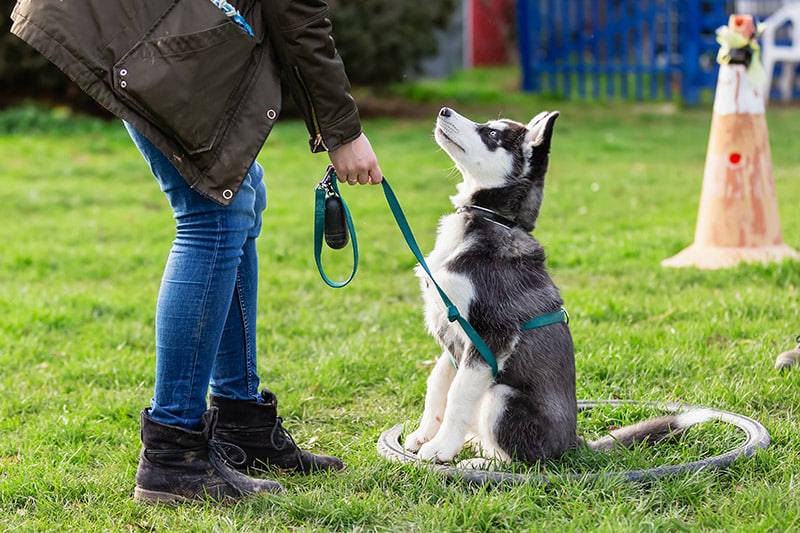
If you still find yourself struggling to deal with your dog’s skittish behavior, it is worth enlisting the services of a professional behaviorist or trainer. Use one with experience dealing with skittish dogs, explain the problems you’re having, and be prepared to work with them regularly until your dog is behaving the way you want them to. Some trainers will work with you and your dog in your home, while others will have you take your dog to them.

What Not to Do With a Fearful Dog
Don’t show signs of anxiety or panic, yourself, and do not admonish, scold, or shout at your dog for showing signs of anxiety or fear. Shouting will make matters worse because your dog will associate this type of situation with getting in trouble, and your anxiety will justify your dog’s reaction to the original stimulus.
Why Are Some Dogs Skittish?
There are a lot of potential causes of skittishness, but most are driven by anxiety. Some individual incidents or a series of incidents have likely conditioned your dog to be fearful or anxious in certain situations. Your dog might be skittish around strangers because of a negative experience with a stranger in the past.
It could be that your reaction has caused these feelings of anxiety, so if you get nervous and skittish when people visit, perhaps fearful of your dog’s response, your pup will respond similarly.
How Long Does It Take to Rehabilitate a Scared Dog?
Even with professional help and ongoing training, it can take months to rehabilitate a scared dog. However, the time it takes does depend on several factors including the frequency and intensity of training, how scared your dog is, and the type of training used. Don’t expect results overnight.

How Do You Get a Skittish Dog to Trust You?
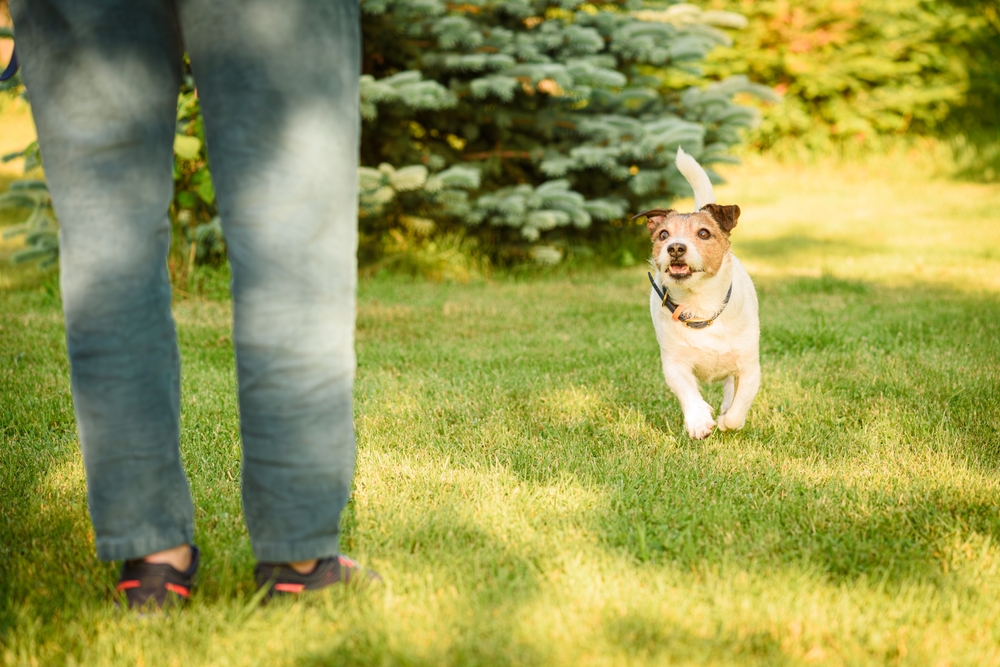
Be patient and calm, don’t shout or reprimand your dog for being afraid, and use very high-value rewards that your dog will appreciate. Use classical conditioning and positive reinforcement to teach your dog that your approach and your presence is a positive experience, and take things slowly before graduating to more difficult and potentially more frightening experiences, like going out.
Try to avoid rewarding fear and anxiety, focusing your positivity and praise on signs of confidence.

Conclusion
Dogs can be skittish in certain situations, such as when they meet strangers or when other dogs approach. This anxiety is generally rooted in some traumatic incident in the dog’s past, and it can take a lot of work and effort to help overcome this type of emotional response.
Be calm and collected, as well as patient, and start by ensuring that your dog trusts you and you have a good bond. Use positive training techniques and do not shout at or otherwise tell your dog off for an anxious response, or you could make things worse by supporting that sense of fear. If in doubt, get professional help from a dog trainer or canine behaviorist.
Sources
https://www.akc.org/expert-advice/training/how-to-train-fearful-dog/
https://www.thewildest.com/dog-behavior/how-connect-skittish-dog
https://moderndogmagazine.com/articles/tips-tricks-to-help-shy-dogs-come-out-of-their-shell/
https://www.simplypsychology.org/classical-conditioning.html
https://www.sciencedirect.com/science/article/pii/S0168159122001472
Featured Image Credit: Mylene2401, Pixabay
Expert dog care, straight to your inbox
Vet-reviewed advice, training tips, and the best of Dogster. Free, and you can unsubscribe anytime.
By signing up, you agree to our Terms & Conditions and Privacy & Cookies Policy.
Nicole has loved animals of all sizes her whole life so it's no wonder she has dedicated her career to helping them through what she loves best: learning, writing, and sharing knowledge with others. She’s the proud mom of two dogs, a cat, and a human. With a degree in Education and 15+ years of writing experience, Nicole wants to help pet parents and pets around the planet to live happy, safe, and healthy lives.
Join the conversation
Ask a question, share your story, or send private feedback.