What to Do If Your Dog Is Scared of Loud Noises: 6 Simple Steps (Vet Answer)


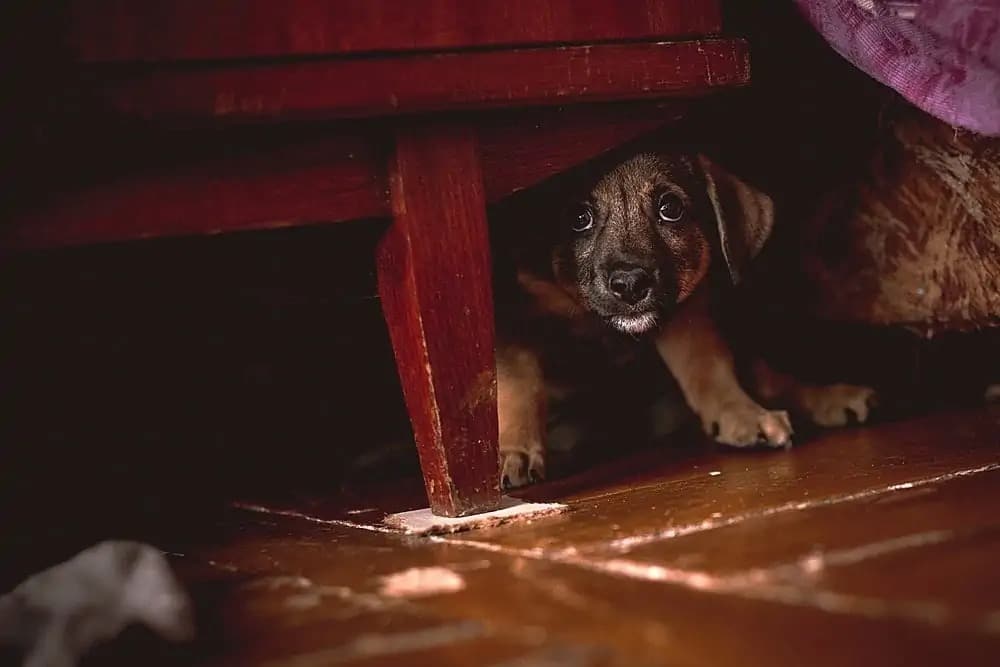
Body trembling, ears pinned back, manic pacing, hiding, fervent panting—these are the signs of noise phobia as displayed by a dog. As an owner, you may feel a sense of helplessness watching your dog suffer from the consequences of what you logically know is an unfounded fear. However, it is a common issue in our canine companions: An estimated 1/3 of dogs are affected by noise phobia,1 making it a familiar issue that veterinarians encounter in their consult rooms.
Some dogs are particularly sensitive to noises that we take for granted as part of our daily lives, whether they're fireworks, thunderstorms, or simply trucks passing on the road outside your house. For certain dogs that suffer from noise phobia, their anxiety can become debilitating.
So, what can you do if your dog fears loud noises?

The 6 Steps for Helping Your Dog When Scared
1. First, Stay Calm
Dogs pick up on our cues. If you become tense and stressed when you sense your dog is scared, it is likely to compound the issue. It is important that you don’t give your dog too much attention at the time of their anxiety but don’t punish them for their behavior either. It’s all about striking a good balance to keep them safe and to offer them the environment to calm themselves down.
The last thing you want to do is positively reinforce the behavior they’re exhibiting while they’re scared, which will happen if you make a big fuss about them, exacerbating the behavior in the future.

2. Minimize Exposure (If Possible)
Minimizing exposure to loud noise that induces fear is not always possible. We aren’t in control of thunderstorms, traffic noise, or other people’s delight for bright lights firing up into the air with loud and ostentatious bangs.
However, if the noise is within your control (slamming doors, construction work on your walk around the block, balloons, etc.), then doing your best to eliminate their exposure to those noises is recommended. If a dog is having repeated traumatic experiences relating to a phobia, the issue is unlikely to improve with more exposure. Without having any behavior modification plans in place, the fear is likely to intensify and become harder to manage.
3. Distract Them and Offer Positive Reinforcement
Our overall intention is to provide our dogs with positive experiences relating to the loud noises that they fear, and this cannot work if your dog is already upset and frenzied. Doing things that they really enjoy, like playing games, practicing obedience training, or giving a food-filled Kong as the loud noise is happening may help desensitize them to their fear. You can also play calm music or turn on the radio and television for background white noise. You’ll want to reward the relaxed behavior with attention and treats.
Over the long term, they will hopefully begin to associate these fearful events as something not to be so worried about. They will be less likely to respond to distraction attempts if their anxiety has already kicked in, though, so if your dog is already panting, pacing, and stressed, it is best to avoid positively reinforcing this behavior.

4. Provide a Safety Zone
Quiet, enclosed spaces that your dog associates with safety and security may be helpful at times of stress, especially if they have always had a crate available to them since they were a puppy. Offering these spaces to puppies is something that can be incredibly beneficial to their well-being. Used well, it is shown to benefit dogs to have a place in your home that they can call their own. If they aren’t fond of crates, you could always create a quiet space in the bathroom or a bedroom.
The intention of this, however, is not to make them more stressed. If they become more worked up by being in an enclosed space, create a safe spot in a part of the house where they feel relaxed.
5. Seek Professional Advice
Repeated incidences of fear can intensify until it is so ingrained within your dog’s physiological response that no amount of work you do by yourself at home can reverse or neutralize it. This is when you need to seek professional advice. A veterinarian will be able to rule out any potential medical issues that could cause heightened anxiety and if they believe it is required, dispense medication or supplements to help. A couple of examples include a sedative formulated in an oral gel called “Sileo” or an oral medication called “Trazodone.”
If applicable, they can guide you toward an animal behaviorist. Medications are like applying Band-Aids on a pulsing wound, which may help briefly but are insufficient on their own. If we don’t treat the wound first with pressure and maybe stitches, it is just going to continue bleeding. Similarly, noise phobia and other behavioral conditions often require intensive behavior management and correction, like a suture that actually holds a wound together. The behaviorist will work with a veterinarian to create a long-term plan to manage your dog’s fear of loud noises, which tends to require a bit of work from you at home.
6. Manage the Issue Early
If you are a new puppy owner, introduce them to plenty of new positive experiences early. The more positive experiences your puppy attains, the more likely they are to see these as fun and neutral events. The most formative time for a puppy’s socialization period is when they are 3 to 12 weeks old. While you need to undertake activities that are in line with their incomplete vaccination status, it is important to try to make those first months at home with you varied and fun and to think about the types of things that you want your dog to be completely unconcerned about. Exposing them to noises, people, and general chaos can be beneficial in the long run so they see these as neutral events that they don’t need to worry about.
Conclusion
We all want our canine friends to live their years on this planet carefree and joyfully. Unfortunately, anxiety and peace cannot coexist at once. While our dogs' fears are primarily not in our control, we can control how we respond to and help them.
As with physical diseases, early intervention gives them the best possible chance at finding peace with the loud, scary noises of this world. Just know that you don’t have to try to find a solution alone.
See also: Why Does Dog Food Smell Bad?
Sources
Featured Image Credit: smrm1977, Shutterstock
Expert dog care, straight to your inbox
Vet-reviewed advice, training tips, and the best of Dogster. Free, and you can unsubscribe anytime.
By signing up, you agree to our Terms & Conditions and Privacy & Cookies Policy.
Dr. Megan Barnes BVSC MRCVS (Veterinarian)
Meg is an Australian veterinary surgeon, dog expert, and writer, currently living and working in Scotland with her family. She is a passionate advocate of preventative medicine, educating clients, and believes medicine never has a one size fits all approach. When not vetting, her happy place is out walking the hills with her baby daughter and over-excited Labrador in tow, and writing.
Join the conversation
Ask a question, share your story, or send private feedback.