How to Measure Your Dog for a Harness (Size Chart Included)

In this article
While a dog collar is useful as a tag carrier, harnesses are often recommended because they can provide improved control and help reduce pressure on the neck during walks. Finding the right size harness is vital for your dog’s safety and comfort, and that’s why learning how to attach a dog harness properly is such an important skill for dog owners. Dog harnesses are available in several sizes, and it is vital to measure your dog to ensure it fits correctly.
In this article, we’ll discuss how you can measure your dog for a harness, how it should fit, and the types of harnesses that are available.

Before You Start
While harnesses are frequently sold by weight, it is best to use a measuring tape to get a more precise measurement. Knowing your dog’s weight and measurements will help you find the best harness for your dog. The same methods should be used to measure your dog, whether small, medium, or large. If your dog moves around a lot and doesn’t usually stand still, ask a family member or friend to help you hold your dog in place while you take measurements.
The 4 Steps to Measure Your Dog for a Harness
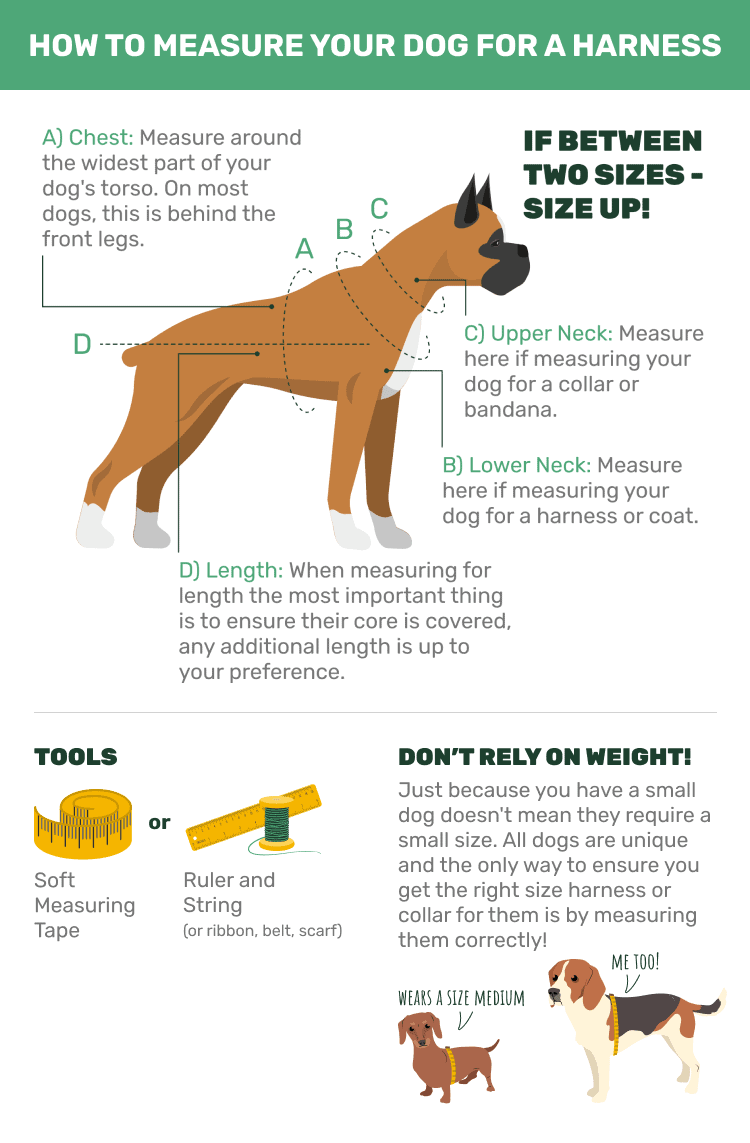
A dog size chart will typically show four measurements: neck girth, chest girth, body length, and weight. Combining these measurements and weight will help you determine the correct size of your dog’s harness.
1. Neck Girth
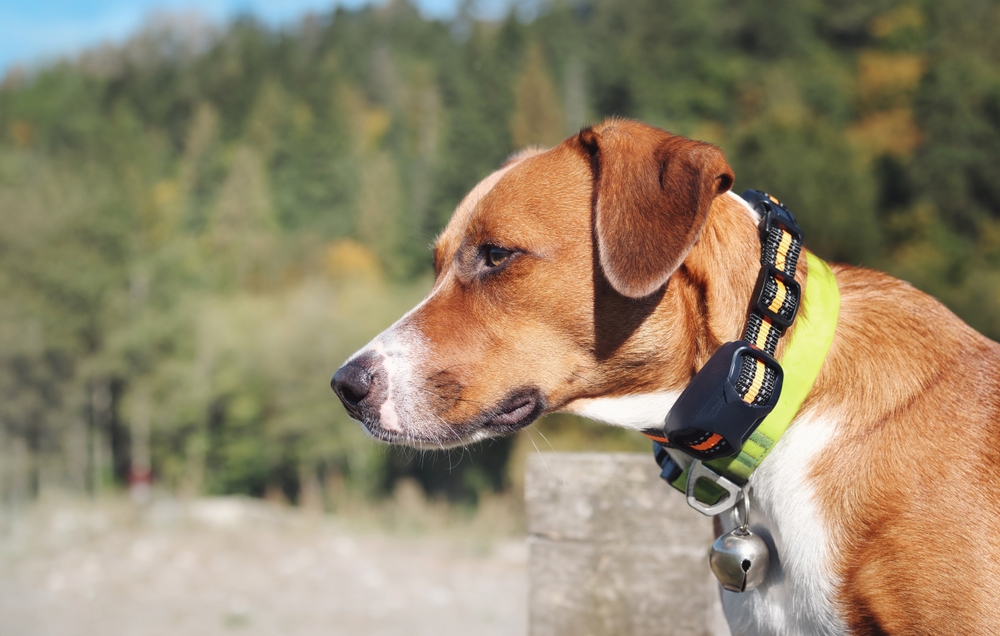
Your dog's neck circumference is measured around where the collar hits. Wrap the tape measure just below the narrow part of the neck, where your dog usually wears a collar. If you're unsure, the correct spot is just above your dog’s shoulders. You will start just above their shoulders, at the nape of their neck, and wrap the tape around the neck to meet the other end. Remember, you need two fingers to fit comfortably between your dog and the harness or collar for a proper fit.

2. Chest girth
The chest girth is the circumference of your dog’s chest. Find the widest part of your dog’s chest to measure their girth. The widest part of a dog's chest is usually right behind the front legs, and the tape should be placed around the rib cage at this level.
3. Body length
Body length is measured from the point of the shoulders (just behind the neck) to the base of the tail.

4. Weight
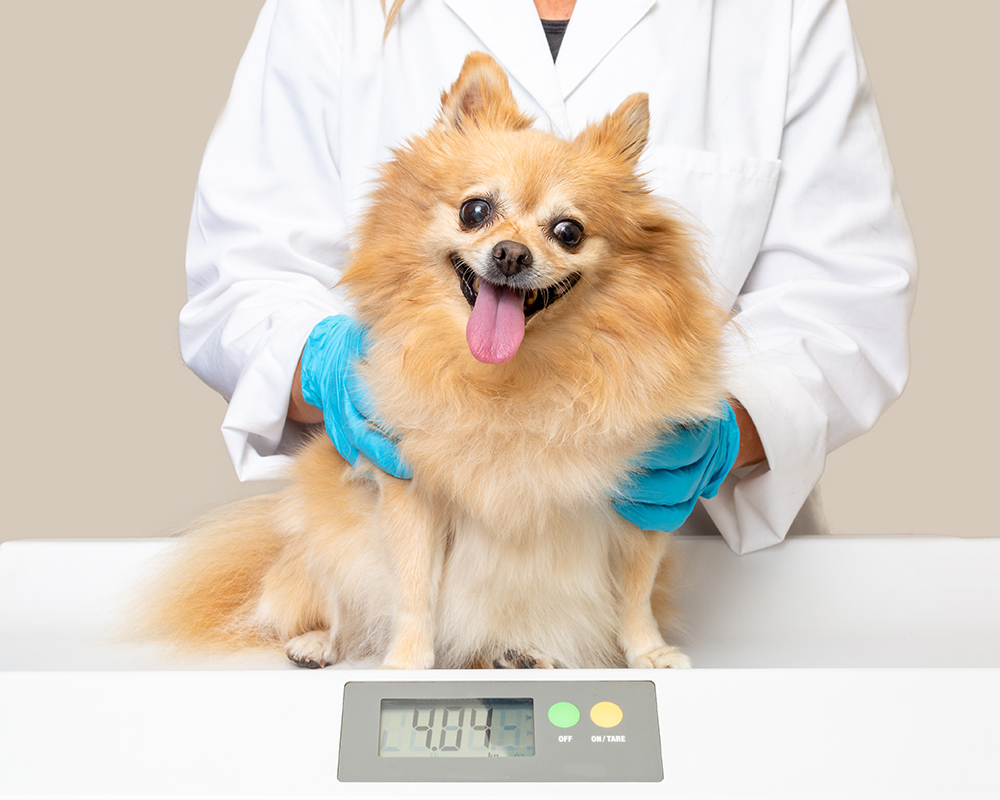
Weight can also play a role in determining the appropriate size. You can weigh your dog using an ordinary bathroom scale. Weigh yourself and then hold your dog while standing on the scale. Subtract the first figure from the second to get your dog’s weight. For accuracy, ensure the scale is on a flat, stable surface and that your dog is calm and still during the measurement; alternatively, small dogs can be weighed directly on the scale, and larger dogs may be weighed at a veterinary clinic.

How Should a Dog Harness Fit?
A dog harness should fit snugly around your dog’s body, but should never be too tight. There is a general rule of thumb for determining if your dog’s harness fits correctly and is snug enough not to cause pain or discomfort. Of course, different harnesses are available that are suitable for specific breeds, and each harness requires a different approach to fit correctly.
Once you attach the harness around your dog’s chest, place two fingers in each section of the area between the harness and your dog. If the fingers fit comfortably, you can be confident that the harness sizing will not cause pain or discomfort, and your dog is less likely to slip out of it
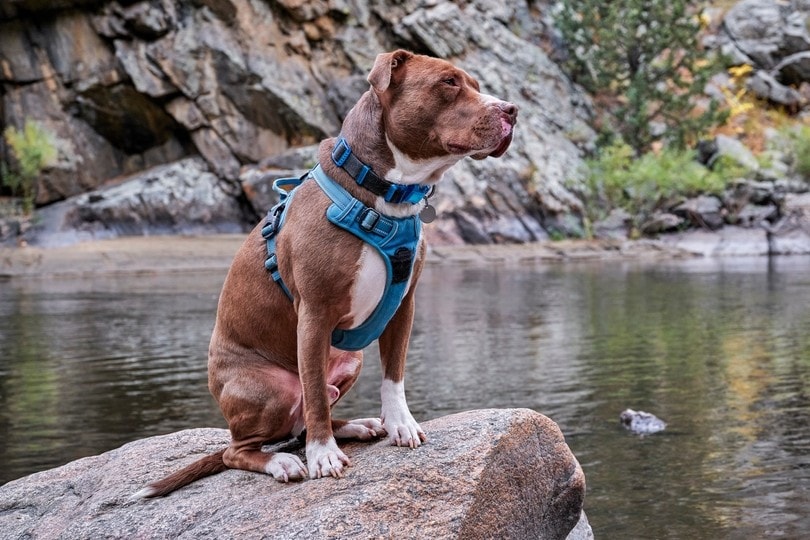
If the two fingers don't fit comfortably, you'll need to adjust the harness. Ensure the harness sits behind the front legs without restricting shoulder movement or causing rubbing.
Most harnesses are easily adjustable by tightening or loosening the straps.

Types of Harnesses
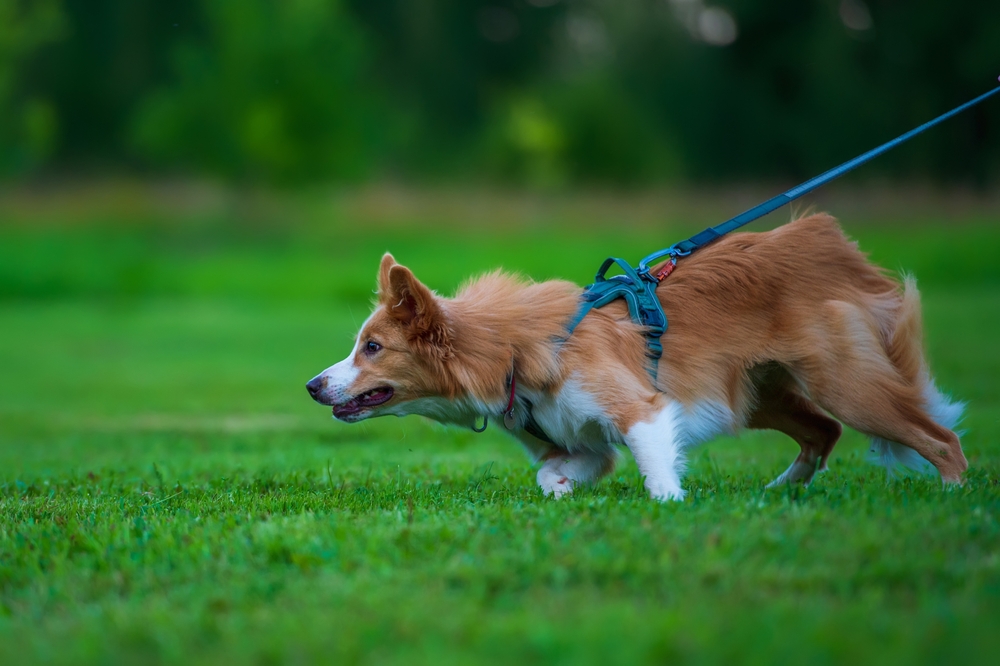
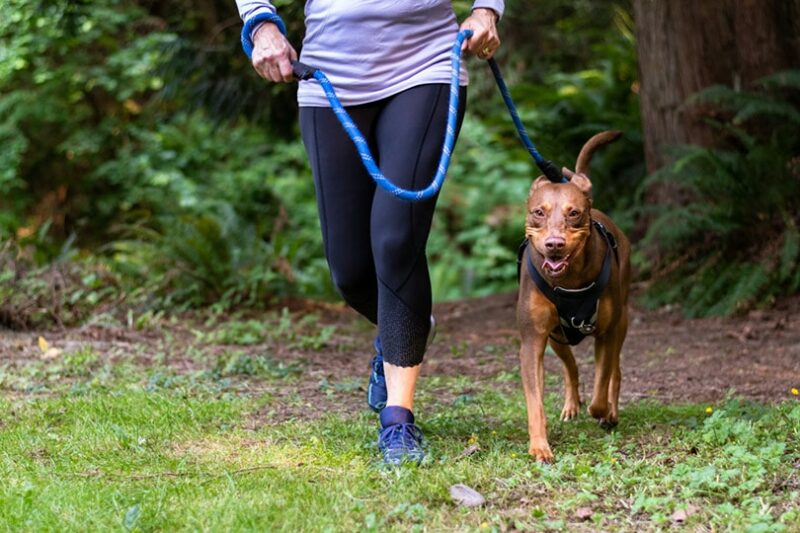
The purpose of a dog harness is to guide your dog while they walk, and it can help improve control and reduce pressure on the neck compared to collars, particularly for dogs that pull. It has straps that wrap around the dog’s torso and includes clips and D rings for the leash.
The different types include:
A back clip harness is ideal if your dog does not pull during walks and is well-trained to walk beside you. The leash easily attaches to the harness midway along the back to keep pressure off the throat. A front clip harness is ideal if your dog tends to pull when walking. There is a ring on the front chest strap to attach the leash, which can help redirect the dog’s movement and reduce pulling. The downside of this type of harness is that the leash can get tangled in the dog’s legs.
A dog steps into the straps of a step-in harness with both front paws, and the harness is then fastened at the back. This harness is ideal for dogs that don’t like to have something pulled over their heads.
Dual clip harnesses allow the leash to be attached to either the back or front clip. This makes them more versatile and can be used for either a gentle stroll or on a walk where you may need more control.

Conclusion
A dog harness with the right fit is crucial for the comfort and safety of your pet. Most dog harnesses come with a size chart; after taking your dog's correct measurements and weight, you can find the best harness. Your dog’s harness should fit snugly but should never be too tight, and one way to determine if it's too tight is by placing two fingers between the strap and your dog's body to determine if it is a comfortable and functional fit. Additionally, ensure the harness does not restrict shoulder movement, breathing, or cause rubbing or pressure points during normal movement.
You might be interested in: Joyride Summer Mesh Harness Review
Sources
Featured Image Credit: Lee Hardy, Unsplash
Expert dog care, straight to your inbox
Vet-reviewed advice, training tips, and the best of Dogster. Free, and you can unsubscribe anytime.
By signing up, you agree to our Terms & Conditions and Privacy & Cookies Policy.
Nicole has loved animals of all sizes her whole life so it's no wonder she has dedicated her career to helping them through what she loves best: learning, writing, and sharing knowledge with others. She’s the proud mom of two dogs, a cat, and a human. With a degree in Education and 15+ years of writing experience, Nicole wants to help pet parents and pets around the planet to live happy, safe, and healthy lives.
Join the conversation
Ask a question, share your story, or send private feedback.