How to Measure a Dog for a Collar: 5 Vet-Reviewed Tips


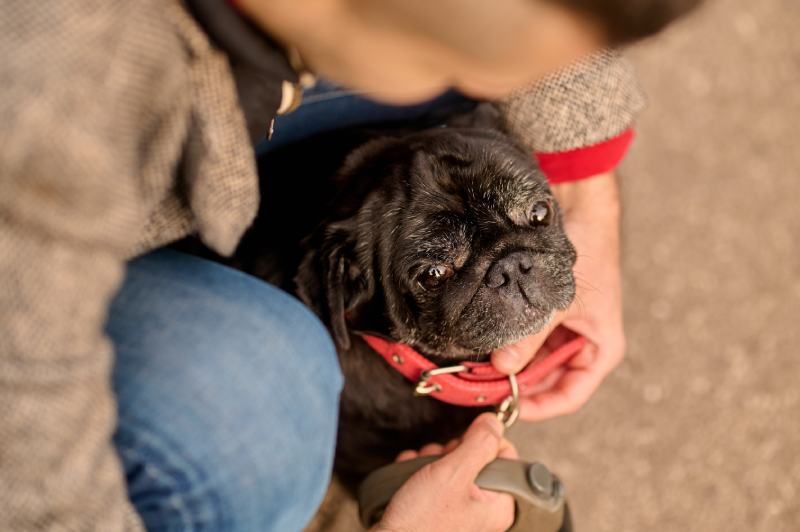
The dog collar is an essential and versatile piece of pet equipment that every dog should have. It often holds a tag with identification information, and you can put your contact details on it in case your dog gets lost.
Fitting your dog with an appropriately sized collar is necessary for keeping them comfortable and ensuring safe walks. Fortunately, finding the correct size is easy. Here are the essential things to know before buying a new collar for your pup.

Before You Start
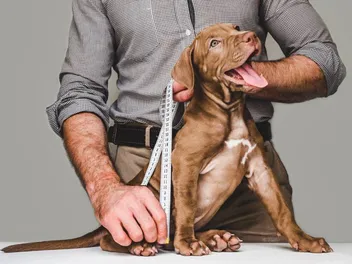
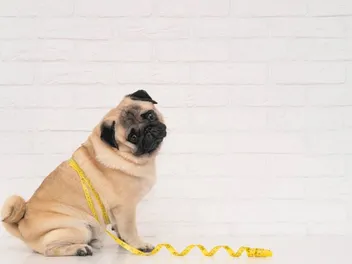
The easiest way to measure your dog’s collar size is to use a flexible tape measure. However, if you don’t have one, you can use a piece of string and measure the length using a straight ruler.
Some dogs may not feel comfortable with you touching their neck because it’s a vulnerable area. So, puppies and newly adopted dogs that haven’t had time to develop a certain level of trust with you may be resistant to getting their necks measured. If your dog has a hard time sitting still, enlist the help of a friend to distract your dog while you quickly measure their neck. Make sure to reward your dog after you get their measurements.
How to Measure a Dog for a Collar

1. Measure at the Base of the Neck
Since the collar will rest at the base of your dog’s neck, it’s important to get an accurate measurement of this area. Many breeds have necks that are narrower at the top, so you could end up getting a collar that’s too tight if you measure a different area of the neck.
Make sure your measurement isn’t too tight, especially if your dog has thick, long hair. Collars should rest comfortably around the neck without being so loose that they can slip off or risk getting your dog’s paws caught in it if they try to take it off.
If you have a puppy, it’s important to keep the breed in mind. Knowing the average total size of the breed can help you determine the size of the collar you should buy. Just keep in mind that the sizes of most large and giant dogs vary significantly between puppies and adults. So, even if you have an accurate measurement, it’s likely that you’ll have to purchase a second, larger collar for your giant breed puppy as they reach adulthood.
2. Know the Measurements for Nylon Collars
Nylon collars are a good choice for puppies because their measurements can be adjusted significantly, and they’re relatively affordable. Once you have your dog’s neck measurement, all you have to do is look for a nylon collar with a range that your dog’s measurement falls into. For example, if your dog’s neck measurement is 13 inches, you can purchase a nylon collar that can be adjusted in length between 12 and 16 inches.

3. Know the Measurements for Metal Buckle Collars
Metal buckle collars usually have a more luxurious appearance than nylon collars, but their sizes aren’t as adjustable. So, it’s often best to purchase one at the end of your puppy’s growth and development.
Like nylon collars, metal buckle collars do have some room for adjustments. However, you won’t be able to get as much of a custom fit because the length of the collar depends on how far apart the buckle holes are from each other.
4. Use the “Two-Finger” Rule
The best way to determine if a collar is sized correctly is to use the “two-finger” rule. Once you’ve fitted the collar around your dog’s neck, try to squeeze two fingers beneath the collar. They should slip underneath relatively easily without the collar sliding around. If your fingers can’t fit between your dog’s collar and their neck, it means the collar is too tight.

5. Consider Martingale Collars for Specific Dog Breeds
Some dog breeds have heads that are narrower than the base of their neck. Examples would be Greyhounds, Salukis, and Whippets. These dogs often wear a special collar called a martingale collar. It has a loop design that helps adjust the size of the collar after you put it on your pet. When a dog pulls on their leash, the collar will tighten to ensure that it doesn’t slip off. Martingale collars are often helpful alternatives for canines that tend to be escape artists or have anxiety and try to retreat during walks.
Final Thoughts
Finding the correct collar measurement for your dog is a straightforward process that can be completed using either a piece of string or a tape measure. Once you get the measurements, you can choose from a wide selection of collars. In general, nylon collars are a great choice for puppies due to their adjustability, while buckle-style collars, often made of leather or similar materials, are a popular option for adult dogs.
Make sure to use the “two-finger” rule to ensure the collar isn’t too tight or loose, and if your dog consistently slips out of their collar, consider using a martingale collar to prevent escapes.
Related Read: Awesome DIY Christmas Dog Collars You Can Make Today
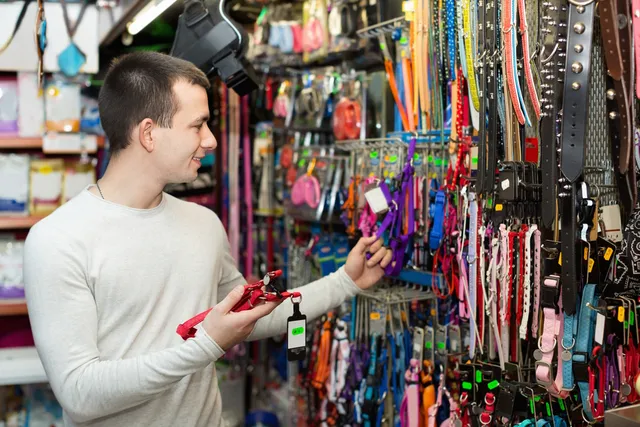
Featured Image Credit: Dmytro Zinkevych, Shutterstock
Expert dog care, straight to your inbox
News, insights, expert advice, and everything dog.

No spam — unsubscribe anytime.
By signing up, you agree to our Terms & Conditions and Privacy & Cookies Policy.
How useful was this post?
Click a star to rate. You can leave written feedback afterwards. (We read all feedback.)
Jessica is a freelance writer who spends bigger part of her day researching and writing while her furry companion Cavapoo, Nora, snoozes beside her. She loves dogs, pets and animals because there’s so much to learn from them, and they do so much for us. As a dog mom, she understands the strong connection that pet parents have with their pets. So, she loves sharing helpful information that pet owners can use to better understand their beloved pets. When she isn't writing, you may find her walking dogs, tending to her plants, or drinking her nth cup of coffee.