How Should a Dog Harness Fit? Types, Ideal Size & Measuring Tips

In this article
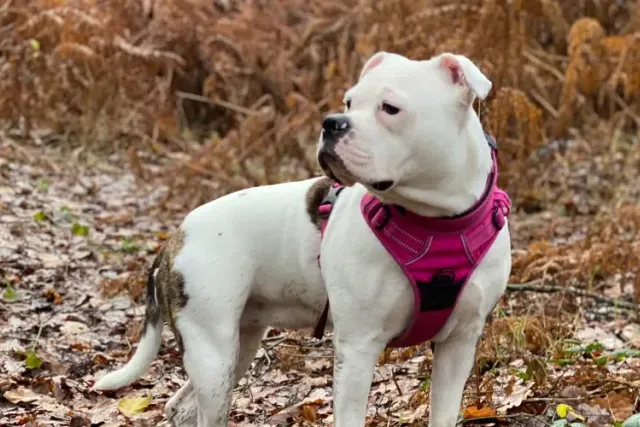
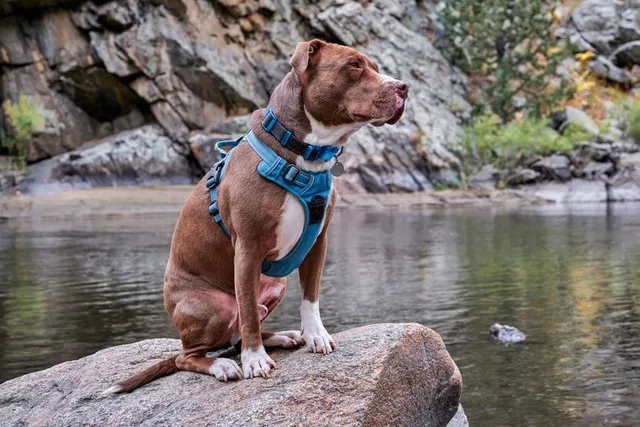
If you haven’t ditched the dog collar yet, you should. Harnesses are far more comfortable for your pup, and they offer the handler advantages you can’t get with a collar. But when you’re switching to a harness, you need to ensure it fits properly. The simple rule says that you need to fit one or two fingers under the harness, but there are more things to consider!
How should a dog harness fit, what size do you need to get, and what are the different types of dog harnesses out there? It’s a lot to sift through, which is why we highlighted everything you need to know here.

Measuring Your Dog for a Harness
Most dog harnesses will use three different measurements to help you get the right harness for your pup. So, to get the right size harness for your dog, you need to know what the three measurements are needed and how to get them.
The first measurement is the easiest to get: their weight. This is a measurement that many companies use as their sizing chart, but it’s not perfect. The problem is that your dog can carry their weight in a lot of different areas. Still, if the company uses weight as a guide, you need to know how much your pup weighs.
Next, you need to get a chest measurement for your dog. Measure around the widest part of their torso, typically just behind the front legs.
Finally, many harness companies use neck measurements in their sizing guide. When measuring your dog’s neck, always measure around the base of the neck (where it meets the shoulders), which is typically the widest part.

How Tight Should a Dog Harness Be?
It’s easy to put on a dog harness and have it either too tight or too loose. When putting on a dog harness, you should aim for snug but not too tight. It’s a fine line, but a finger test should help you get it right the first time.
Ideally, you should be able to slide one or two fingers under the harness, but not more. This will ensure the harness isn’t too tight on your dog, but it won’t be so loose that it can snag on objects as they walk by or allow them to slip out of the neck part.
Signs the Harness Isn’t on Correctly
You’re aiming for a snug, but not too tight fit, and it’s an easy mark to miss. It’s perfectly normal to make mistakes, but you need to be able to recognize when something’s wrong.
The first sign is if your dog can wiggle out of any part of the harness. If they can, it’s simply too loose. On the other hand, if they’re showing signs of chafing, it's too tight. Chafing can show itself in red marks or irritation, but it can also show up as a loss of fur where the harness sits.
Two additional signs of a harness that isn’t tight enough are a chest strap that loosens as you’re walking or the back piece of the harness rotating out of place. If either of these things is happening, the harness isn’t fitting correctly.


The 3 Different Types of Dog Harnesses
When looking at dog harnesses, there are three main types. There’s no right or wrong choice here, but it will drastically affect how you put the harness on them.
1. Front Clip

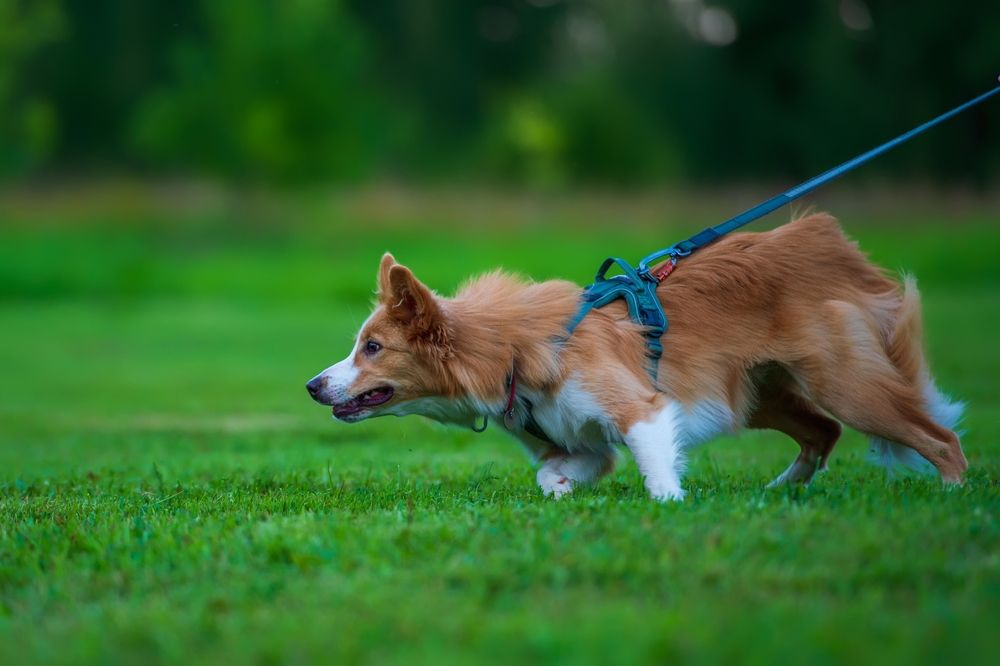
If your dog pulls a ton, then you should consider getting a front-clip harness. This harness has a clip for the leash on the front. These types of harnesses can help reduce pulling by redirecting the dog’s body to the side when they pull, which may make forward pulling less effective.
2. Top Clip

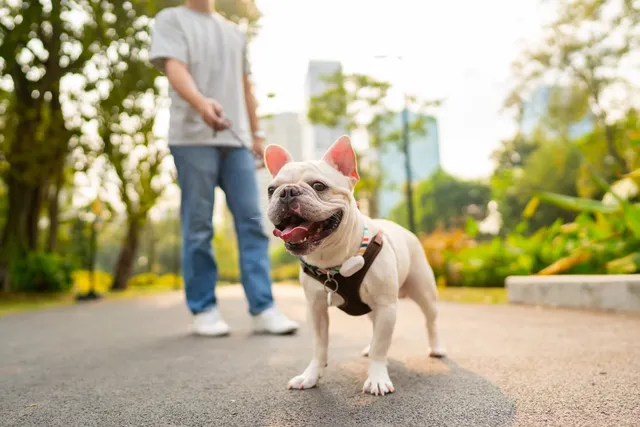
The top-clip dog harness is probably the most common type of dog harness out there. You connect the leash to the back of the harness, and often, there are two separate clips you need to connect.
This type of harness doesn’t discourage pulling, but it does help reduce the risk that you end up tangled with the leash.
3. Dual Clip

Dual-clip harnesses have both a front and a top clip you can pick from for different situations. These harnesses may cost a bit more, but they give you more versatility than front and top-clip harnesses.
Final Thoughts:
When you’re putting a harness on your dog, take your time. Getting a proper fit will ensure they’re happy on their next walk and that they are less likely to slip out of it if something excites them. Harnesses are an excellent choice for your dog, but only if you take the time to put them on correctly!
Even after initial adjustment, harnesses should be checked regularly and may need readjustment over time due to changes in body condition, coat, or wear of the equipment. So we recommend getting into the habit of reviewing the fit regularly.
You might be interested in: Joyride Summer Mesh Harness Review
Featured Image Credit: Julia Malsagova, Shutterstock
Expert dog care, straight to your inbox
Vet-reviewed advice, training tips, and the best of Dogster. Free, and you can unsubscribe anytime.
By signing up, you agree to our Terms & Conditions and Privacy & Cookies Policy.
Nicole has loved animals of all sizes her whole life so it's no wonder she has dedicated her career to helping them through what she loves best: learning, writing, and sharing knowledge with others. She’s the proud mom of two dogs, a cat, and a human. With a degree in Education and 15+ years of writing experience, Nicole wants to help pet parents and pets around the planet to live happy, safe, and healthy lives.
Join the conversation
Ask a question, share your story, or send private feedback.