How to Tell If a Dog Is Fit for Breeding: 3 Vet-Verified Signs to Look For



In this article
Some people find raising puppies enjoyable, but breeding also comes with serious responsibilities and welfare considerations. It’s a big responsibility and needs careful planning, preparation, time, and commitment. Even in young, healthy dogs, the process is not always smooth or easy, and complications can still occur.
It’s important to note that breeding puppies can result in a hefty vet bill, even when the parents and puppies are healthy. There is extra food, health checks, and vaccinations to think about, and these costs can all add up. However, the most important factor to take into consideration is the health of your dog and whether they can or should breed.
In this article, we take you through the various steps that you need to consider as to whether your pooch is fit for breeding. Let’s get started!

Before You Start
The most important consideration before deciding to breed puppies is an evaluation of both the parent dogs that you are considering breeding. In essence, the new litter should be a continuation or an improvement of the health of the parents, and you should carefully consider the temperament and health of the dogs that you are thinking about breeding.
The puppies that you bring into the world are a huge responsibility, and you’ll want to make sure you have the time, money, and space to raise them. Additionally, there are many dogs in shelters, so responsible breeding includes careful consideration of demand and responsible placement of puppies. It’s a good idea to make sure you have good homes for the puppies before breeding too.

What Are Your Reasons for Breeding?
Do you want a dog similar to the one you have? Do you have a pedigree dog you are considering breeding, possibly with financial considerations involved? Or do you simply want to have adorable puppies to look after and experience with your family and children? While these are all valid reasons, the puppies will never look or have the same personality as the parents, as there are a variety of contributing factors.
Also, while pedigree puppies can sell for high prices, breeding is an expensive undertaking, and you may not make as much money back as you might hope. There are always risks with breeding your dog, especially pedigree animals, and this is why it’s often best left to professional breeders.
That said, healthy dogs can breed and whelp successfully when proper veterinary care and precautions are taken, though risks still remain. Let’s look at the steps to take before breeding your dog and how to see if they are fit for breeding.
The 3 Steps to See if a Dog Is Fit for Breeding:
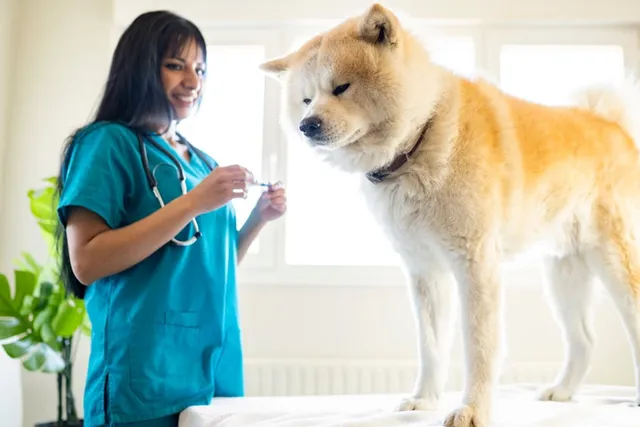
1. Get a Thorough Health Evaluation from a Veterinarian
The first and most important step is a thorough health evaluation from a vet. This will take into consideration your dog’s age, health, and size. Your vet can help you make the right decision for your pooch.
Females
Try to take your female for a checkup at least a few weeks before the heat cycle in which you intend to breed her. Your vet will check her general health, make sure her vaccines are up to date, check that she is free from parasites, fleas, and ticks, and make sure there are no orthopedic or other health issues.
She should also not be over- or underweight and should be on a high-quality diet before you begin breeding. Certain medications may not be safe during breeding or pregnancy, so any treatments or supplements should be reviewed with a veterinarian.
Females should not be overbred, and the total number of litters should be carefully limited based on veterinary guidance and individual health. While multiple litters may be physically possible, many breeders and veterinarians recommend limiting the total number of litters to protect long-term health. Females that have had two cesarean sections are also at high risk during pregnancy and are not safe to breed again. Also, it goes without saying that females should never be bred with a father or brother.
Males
Males need to go through the same basic check-up process as females. They’ll need to be in good overall health, up to date on vaccines, and free from parasites, and undergo thorough health and genetic screening to make sure there are no genetic health issues that can potentially be passed on to the puppies.

2. Consider Their Age
Age is a vital factor to take into consideration before breeding, especially for the female. She should be fully physically and mentally mature, which for most breeds is typically at least 18–24 months of age before breeding. The female should also not be too old. The maximum age of breeding can vary between breeds, but a general rule of thumb is that any females older than 7–8 years will increase the risk of mating and whelping and potentially result in complications, even if she is in good general health.
In theory, males can breed safely until old age, although most breeding clubs recommend 10 years old as a good age to retire males. It’s also important to note that older males may have lower sperm counts, and this may result in a failed pregnancy. Many breeders wait until around 2 years of age for males so that full health screening, including orthopedic evaluation, can be completed before breeding decisions are made.
3. Things to Know When Choosing a Male
The male that you choose to breed with your female should have a clean bill of health, be compatible in size and temperament with your female, and ideally, be the same breed. Crossbreeding can produce mixed-breed dogs with a wide range of traits, but health outcomes depend on the genetics and health of the individual parents.
One important consideration is size, but health, genetics, and temperament are equally important factors. You’ll want to consider size compatibility between the male and female, as extreme size differences may increase risks during mating and whelping. This is why we recommend pedigree males, as the puppies of crossbred males can be difficult to predict unless you are sure of the parent breeds.
Temperament is another vital consideration. Although temperament is strongly influenced by training, socialization, and environment, it also has a genetic component, and the temperament and personality of both parents can influence the behavior tendencies of their puppies.
Related article: How to Know a Dog is Ready to Mate
If you're uncertain about whether your dog is fit for breeding, consult a veterinarian for guidance.
Final Considerations Before Breeding
Breeding puppies is a time-consuming and expensive undertaking and requires careful planning beforehand. Once you have confirmed that your dog is fit for breeding, there are final points to consider before taking the plunge. You need to be sure that you have the following in abundance.
Time
During pregnancy, your dog needs plenty of extra care and attention, and she’ll need to be taken for regular checks with the vet and be fed more regularly. During whelping and the early newborn period, both the mother and puppies require close monitoring, warmth, and supportive care. This will take up a great deal of your time, and you need to make sure you can take care of the mom’s needs, as well as those of four to eight newborn puppies!
If you’ve ever taken care of puppies before, you’ll know how much mess they are capable of making!
Money
Your dog will need to undergo important tests to make sure she is fit for breeding. During late pregnancy and especially while nursing, her food intake can increase significantly, often reaching around double her normal amount depending on litter size and needs. There’ll also be a litter of puppies to feed several times a day, and the costs can quickly add up! While it’s not something that you want to imagine, there can be complications during birthing, and your dog may need a C-section or assisted birth, which can be quite expensive.

Preparation and Knowledge
Many females show strong maternal instincts during birth and whelping, which can be fascinating to observe. That said, you’ll need to be there to support your dog, know when something is wrong, and be ready when she’s about to go into labor.
Whelping can also get complicated at times, with puppies having difficulty nursing and mothers potentially developing conditions such as mastitis, which can be painful and requires veterinary attention. Helping the mother wean puppies and get them socialized is also a wonderful but stressful process, and it’s important to get yourself prepared and educated about all these factors before they come up.
See also:
Featured Image Credit: S Curtis, Shutterstock
Expert dog care, straight to your inbox
Vet-reviewed advice, training tips, and the best of Dogster. Free, and you can unsubscribe anytime.
By signing up, you agree to our Terms & Conditions and Privacy & Cookies Policy.
Nicole has loved animals of all sizes her whole life so it's no wonder she has dedicated her career to helping them through what she loves best: learning, writing, and sharing knowledge with others. She’s the proud mom of two dogs, a cat, and a human. With a degree in Education and 15+ years of writing experience, Nicole wants to help pet parents and pets around the planet to live happy, safe, and healthy lives.
Join the conversation
Ask a question, share your story, or send private feedback.