How Long Do Great Pyrenees Live? Vet-Verified Average Lifespan, Data & Care Guide


In this article
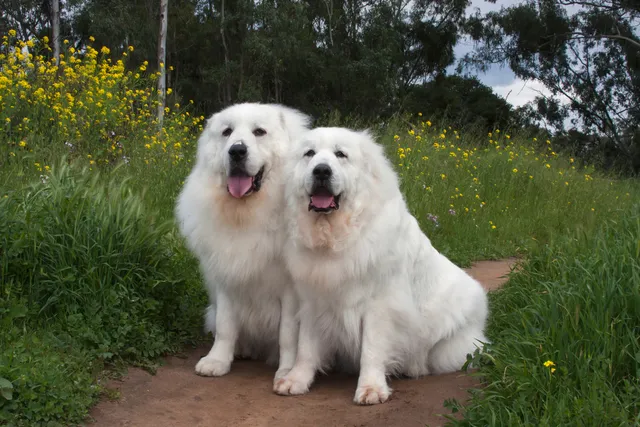
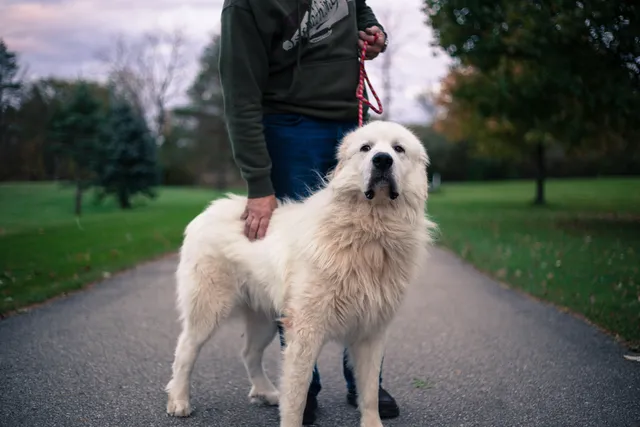
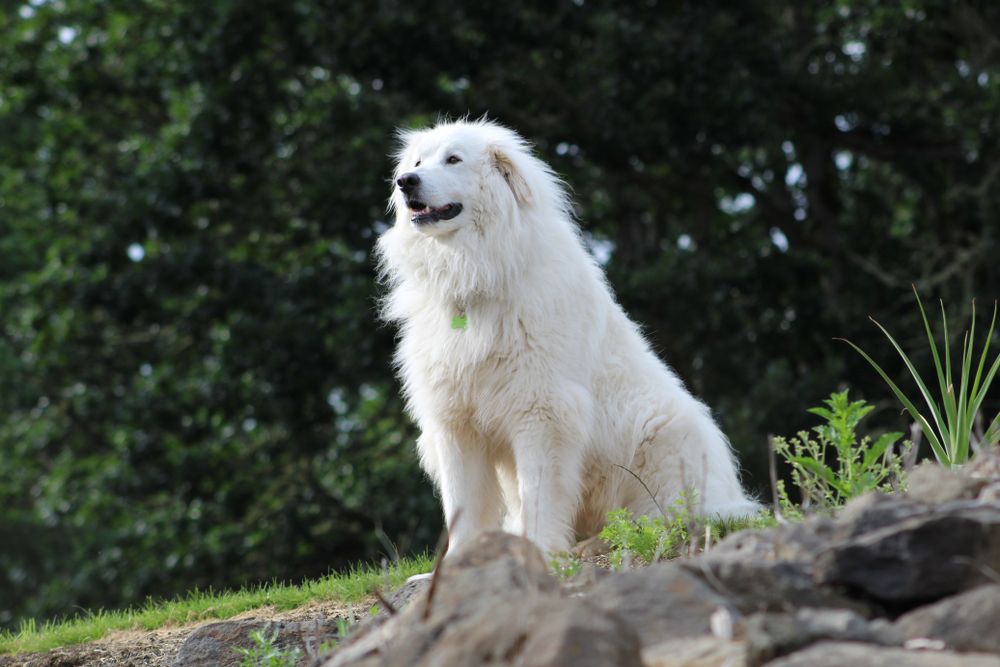
The Great Pyrenees is one of the largest dog breeds of all. They are considered a giant breed and have the reputation for being very gentle, protective, and playful. These dogs make amazing family companions in the right living circumstances.
Before you make a choice to pick a particular breed, you are probably finding out all there is to know about it. In this particular scenario, because this is a large breed, they might have a little less attractive lifespans than some of their smaller companions, at roughly 10 to 12 years on average.
In this article, we aim to explain the average lifespan of the Great Pyrenees, ways you can improve their overall health to help them live a longer life, and other helpful information.

Great Pyrenees Average Lifespan
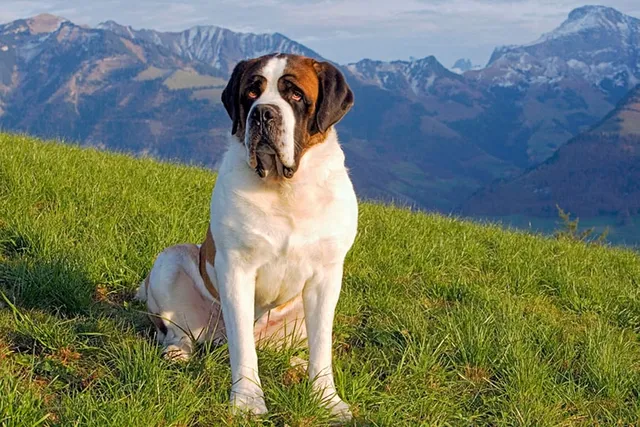
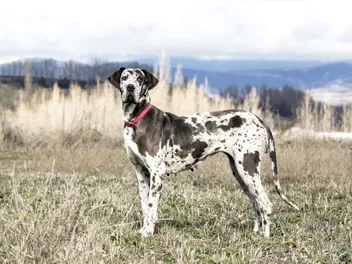
On average, a Great Pyrenees lives roughly 10 to 12 years. This number can be more or less depending on the individual dog and the lifestyle they have had throughout. This is still quite good in comparison to some other giant breeds, such as the Great Dane or Mastiff which generally only live 8 to 9 years.
There is no way to really foretell exactly how long your Great Pyrenees will live. What we can say is that these dogs were bred to be very healthy specimens, capable of withstanding harsh environments and potential disease.

How to Care for Your Great Pyrenees for a Long Lifespan?
Several different factors can impact the lifespan of any dog, including the Great Pyrenees. As owners, it is our responsibility to check their overall health and make sure they get everything they need on a daily basis to stay their healthiest.
Here are some things you need to offer your Great Pyrenees if you want them to live a long and healthy life. But note that there are some things that you just can’t prevent no matter how well you take care of your dog.
Feeding & Diet
Your dog deserves a nutritious diet! It can get a little bit pricey feeding a Great Pyrenees. They are massive dogs that require quite a lot of sustenance to maintain. That is one of the factors that you have to consider before you even buy the breed.
You might not have to buy the top-of-the-line dog food on the shelves, but it is very important to ensure that you are getting a quality recipe. They require a high quality, protein rich recipe to keep up with their daily demands. And if your dog has any sensitivities, it is imperative to accommodate these by eliminating potentially irritating ingredients in the diet.
You also have to be careful not to overfeed a Great Pyrenees, as weight gain can have detrimental effects on their joints. Not to mention that obesity can lead to a whirlwind of health issues that could then in turn, shorten your dog’s lifespan.
Environment
A dog that experiences a great deal of stress might have a reduction in lifespan. The same can be said for human beings. Extreme stress can lead to the development of health issues and overall poor quality of life.
You will want to make sure that your environment is hazard free and relaxing. A chaotic, abusive, neglectful, or dangerous environment can severely impact the overall lifespan of any dog.
If you have a Great Pyrenees that had a very rough start, they might not have quite as long of a lifespan as a doggy raised from a puppy. While this shouldn't necessarily inhibit your ability to care for the dog, it can create a lot of sadness.

Exercise 🐕
Not only will your Great Pyrenees want to exercise, but it is also incredibly crucial that they do. Usually the Great Pyrenees does best with homes in the country so they can roam and explore at their leisure.
These farm dogs are used to just leisurely strolling throughout the premises, guarding and protecting, and don't forget having adventures! They will love going on walks, trips to the dog park, and other places, so make sure to keep your passenger seat open sometimes.
Healthcare
Healthcare is absolutely essential. You should have your veterinarian picked out when your dog is a puppy and it's a good idea to continue to go to the same one as they age. Your vet will become very familiar with your dog and their particular needs.
While the Great Pyrenees is a relatively healthy dog, there are certain genetic health conditions that the breed is prone to. These can include:
- Hip dysplasia
- Coagulation disorders
- Entropion
- Ectropion
- Wobbler’s
- Elbow Dysplasia
Vetting can be downright expensive! This is especially true if you're on a budget. Health issues can be extremely expensive to fix once they take hold. That is why annual vet visits are so important. Your vet can perform testing to ensure that your Great Pyrenees is in sound health so that nothing major develops.
If you notice any changes in your dog's behavior, it is imperative that you mention it to your vet. What might seem like a very small or insignificant thing could wind up being the very cause of death later in life.
It's best to get a handle on it while you can and manage it accordingly to avoid any major upset. If you notice that your dog is a little more lethargic than usual, seems to be coughing a lot, or just overall seems to have a shift in personality, it might be time to take them to the vet.
Because vet care can be so expensive, many families are turning to pet insurance as a way to protect their pals in the event of an emergency. It might be hard to fit into your budget, but it can certainly be worthwhile if you're faced with a $3,000 surgery and don't have the money in your pocket.

Pairing/Breeding
Only licensed breeders with a firm knowledge on the breed standard should allow their Pyrenees to reproduce. If you have a Great Pyrenees, but you are not a licensed breeder, it's best to get them spayed or neutered when they reach sexual maturity. Some vets might want to wait longer, as these are large breed dogs, and they might not want to affect their growth plates.

The Life Stages of a Great Pyrenees
There are really three life stages to any dog. Here they are!
Puppy
For the puppy stage, this usually lasts from birth until the puppy is fully grown. As the pup begins to mature, it is sometimes referred to as the juvenile stage. Most dogs are considered fully developed by the time they reach one year old, but Great Pyrenees can take two years or longer to fully mature.
During the puppy stage, your puppy will develop rapidly, growing at impressive rates. Once they reach the 6-month mark, growth should start to plateau a bit after that. However, it does still continue for several months until your pup is fully grown.

Adult
Once your Great Pyrenees is an adult, they will remain in this stage the longest. A Great Pyrenees is considered an adult between the ages of 3 years to 7 years. During this time, you should feed them a maintenance diet designed explicitly for adults to keep up with their bodily demands.
You should always make sure your adult gets proper socialization, exercise, attention, and adventure. These dogs certainly have a wanderlust, so it's important to keep them stimulated, no matter how docile they might be.
Senior
Once your dog reaches their senior years around the mark of 7 years of age, it's time to give them a diet that reflects that. During this stage, it is incredibly important to give them a diet that is suitable for their age.
Great Pyrenees are large dogs, so they might have a lot of problems with their joints and bones. That is why offering them food with elements like chondroitin and glucosamine can be very helpful.
Apart from diet, exercise is incredibly important, even as they age. It will help them maintain their body structure and weight to live healthier during their golden years.

How to Tell Your Great Pyrenees Age
As a puppy, it can be pretty easy to determine your Great Pyrenees’s age as long as they are under the 1-year mark. An experienced veterinarian should be able to tell quite easily, or at least give you a good rough estimate.
However, once they are adults, it can be incredibly difficult to tell until they start waning in their years. Reaching seniorhood can give some tell-tale time signs including the condition of their teeth. Your vet can look at their teeth and other aspects of your Great Pyrenees to determine their age.

Conclusion
So now you know exactly how long the average lifespan is of a Great Pyrenees: 10 to 12 years! Like we discussed, many things can influence this average, so be sure to do all the right things.
Sometimes accidents happen that we do not foresee, so this average does not include hazards or accidents. Make sure to follow through with appropriate vetting so you can keep your big pal around for years to come.
Related stories:
Featured Image Credit: Mikhail Farina, Shutterstock
Expert dog care, straight to your inbox
News, insights, expert advice, and everything dog.

No spam — unsubscribe anytime.
By signing up, you agree to our Terms & Conditions and Privacy & Cookies Policy.
How useful was this post?
Click a star to rate. You can leave written feedback afterwards. (We read all feedback.)
Ashley Bates is a freelance dog writer and pet enthusiast who is currently studying the art of animal therapy. A mother to four human children— and 23 furry and feathery kids, too – Ashley volunteers at local shelters, advocates for animal well-being, and rescues every creature in need. Her mission is to create awareness, education, and entertainment about pets to prevent homelessness. Her specialties are dogs and cats.