Entropion in Dogs: Our Vet Explains Signs & How to Treat It

In this article
Dogs are inquisitive and playful creatures, famous for their strong sense of smell. However, vision also plays a key role in the way dogs interact with their family and surroundings, and healthy eyes are the key to good vision. Entropion is an eye condition that can impair vision and cause discomfort, especially if not treated promptly.
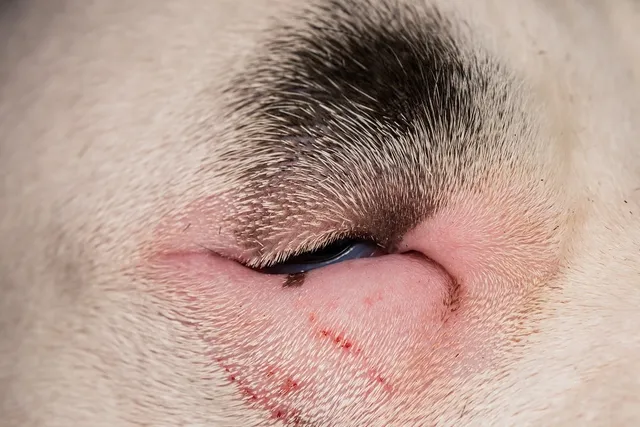
Dogs suffering from entropion have eyelids that roll inwards, irritating the surface of the eye. So, what causes this problem, and what can be done to fix it?

What is Entropion in Dogs?
Entropion is an eye condition in which the eyelid rolls inwards. This causes eyelid tissue and eyelashes to rub against the cornea (the clear front surface of the eye). The cornea is thin and sensitive. It can be irritated, or even ulcerated, as these hairs rub against it.
In some dogs, only one eyelid of one eye is affected; in other dogs, both eyelids of both eyes are affected.

What Are the Signs of Entropion in Dogs?
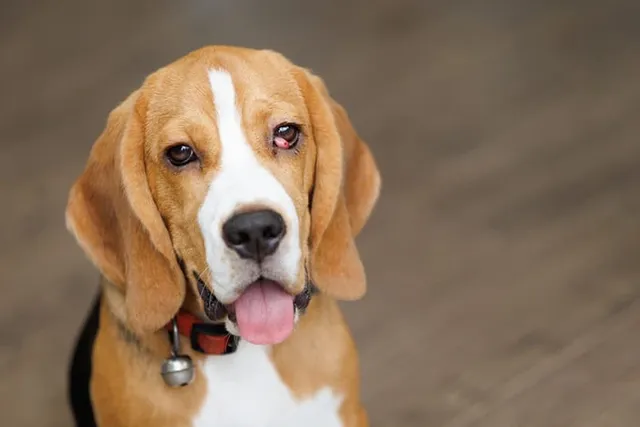
Entropion varies in its severity. Some dogs display mild signs, making it hard for an owner to detect. Other dogs exhibit very obvious signs.
Common signs of entropion include:
Seek veterinary advice if you’re concerned about your pet’s well-being.
Which Breeds Are Affected by Entropion?
Generally speaking, there are three “classes” of dogs that are affected by entropion.
In general, there are two options:
What Are the Causes of Entropion in Dogs?
Most cases of entropion are breed-related (see above), and vets refer to this as primary entropion. Dogs experiencing entropion as a result of their breed or genetic factors will have this problem for life.
Other dogs suffer from secondary entropion, sometimes referred to as spastic entropion. In these cases, damage to the eyelid, abnormal eyelashes, infection, or excessive weight loss will cause the eyelids to roll inwards. Many cases of secondary entropion are temporary and resolve once the trigger is removed.

Treatment Options for Entropion in Dogs
Vets do not take a “one size fits all” approach to treating entropion. The right option for your dog depends on a number of factors, including the severity of entropion, the cause of entropion, other health issues, and age.
In general, there are two options:
Frequently Asked Questions
How Is Entropion Diagnosed?
Vets are able to diagnose entropion by a thorough physical examination and ophthalmic examination. A fluorescein (dye) test is often used to check for corneal ulceration.
What If Entropion Affects a Puppy?
Some dogs can suffer genetic or primary entropion very early in life. As we mentioned, dogs should not have a blepharoplasty performed until they are at least 6 months old. To navigate this problem, vets will usually perform a temporary “tacking” procedure to lift the eyelids until the dog is a suitable candidate for the permanent blepharoplasty surgery.
What Is the Prognosis for Dogs with Entropion?
While entropion is not life-threatening, it can be a serious problem if left untreated. Corneal ulceration can lead to eye infections or ruptures that may warrant removal of the entire eye. Thankfully, with prompt and appropriate veterinary treatment, the prognosis for dogs suffering entropion is very good.
Conclusion
Entropion, or rolling of the eyelids inwards, can be either primary (breed-related) or secondary (triggered by an acquired problem). Entropion causes significant discomfort and distress; if left untreated, it may have lifelong consequences. If you have noticed any abnormality in your dog’s eyes, or want to have them assessed for entropion, do not hesitate to seek veterinary attention.
Early intervention will always lead to the best outcome.
Featured Image Credit: Zontica, Shutterstock
Expert dog care, straight to your inbox
News, insights, expert advice, and everything dog.

No spam — unsubscribe anytime.
By signing up, you agree to our Terms & Conditions and Privacy & Cookies Policy.
How useful was this post?
Click a star to rate. You can leave written feedback afterwards. (We read all feedback.)
Dr. Joe Mallat DVM (Veterinarian)
Joe is a veterinarian from Sydney, Australia. When he's not working, he enjoys cooking, exercising, and exploring the Australian wilderness. He has worked for 2 years at a mixed-species practice on the mid-north coast of New South Wales, treating animals of all sizes. His areas of particular interest include wound management, internal medicine, and oncology. Joe's love for the profession comes not only from helping dogs, but also from helping their parents and working with wonderful teams of people.
Joe completed his Bachelor of Veterinary Biology and Doctor of Veterinary Medicine at the University of Sydney in 2020.