How Old Is 12 In Dog Years? Vet-Approved Guide to Each Size of Dog


In this article
If you’ve multiplied your dog’s age by seven to determine how old they are in human years, you may have celebrated the wrong birthday. The truth is that finding the human equivalent to your dog’s age isn’t as simple as multiplying 12 by 7, which is a good thing because it works out to be less than 84 years—for most dogs. If your dog is 12 years old, the human equivalent will be 64 years for small dogs, 69 years for medium dogs, and 77 years for large dogs. Unfortunately, giant breeds age the fastest, meaning a 12 year old great dane is the equivalent of a 93 year old human.
The behavioral differences between small and large dogs that share the same age may make a lot more sense to you now because the energy levels between a 64-year-old and a 77-year-old don’t compare. Although different dog sizes develop at different rates, all dogs require special care at the age of 12 as they enter and live out their senior years.

How Do the Dogs Age Based on Their Size?

Small Dogs

Small dogs age much more slowly than large or giant dogs. A small dog, who is 20 pounds or less, will only be 64 years old in human years by the time they reach 12 dog years. Although 64 is much older than the number of years they’ve been on earth, they should still be relatively active and healthy. A small dog is considered a puppy until 8 months and a senior dog at 8-11 years old. After this they are referred to as geriatric.
Although the answer to why small dogs live longer than larger dogs isn’t fully understood, there are factors that contribute to their longer lifespan. Larger dogs seem to age more quickly than smaller dogs and therefore may succumb to age-related illnesses sooner than smaller dogs. Another theory is that due to the accelerated growth of large and giant breed dogs, they are more likely to fall foul to abnormal cell growth and cancers than slower growing dogs.
Medium Dogs

Medium dogs weigh between 21–50 pounds and will be 69 human years old by the time they reach the age of 12 in dog years. This dog size is a popular one amongst dog owners because they’re not too big or too small. They also have relatively long lifespans of between 10–13 years, with some dog breeds living up to 15 years.
Medium dogs are considered puppies until a year old, seniors at 8-10 years, and geriatric thereafter.
Large Dogs

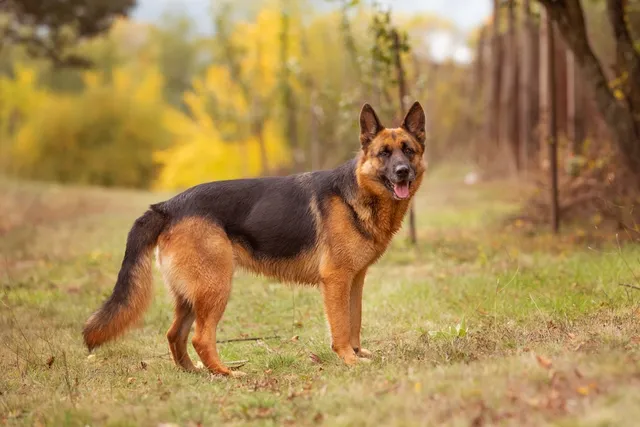
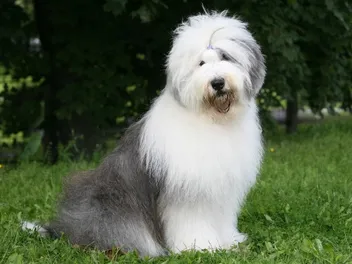
Unfortunately, large dogs, which weigh between 51–100 pounds, age more quickly than smaller dogs. By the time a large dog is 12 years old, they will be 77 years old in human years. Giant dogs will be much older by this point; a whopping 93 human years old! A large dog is considered a puppy until 15 months (which is almost twice as long as a small dog), a senior at 8-9 years, and geriatric thereafter. Unfortunately, large dogs typically only have a lifespan of 8–12 years, with giant breeds generally living to between 8-10 years.
Although larger dogs tend to develop age-related diseases at a younger age than smaller dogs, they may also be more prone to accidents due to misadventure. Unlike in the case of small breeds, working dogs tend to be medium to large sized breeds (except in the case of terriers who are often used as ratters). Owners generally feel more comfortable taking their larger dogs out for adventures and activities. They’re never carried and are usually allowed to sleep where they please.
As much as an active lifestyle will keep a dog at a good weight and healthy, it puts them at risk for joint issues, falls, and other injuries that could contribute to a shorter lifespan.

What to Know About 12-Year-Old Dogs
Diet

By the age of 12 years old, dogs of all sizes are considered senior or geriatric. Senior and geriatric dogs have different nutritional needs to puppies and adult dogs and will need a diet that meets those needs. Senior dogs require food that is lower in calories because they’re not burning as much energy as younger dogs.
Older dogs are more commonly suffering from illnesses that might mean they have specific dietary requirements (for example, a low phosphorus diet for dogs with kidney disease). In some cases, senior dogs will do better on softer, smellier food because they have dental issues and often struggle with their appetite.
Of course, at this age, dog food that includes supplements, such as omega-3 fatty acids, can be beneficial to your dog by helping with inflammation. Senior dog foods are also higher in highly-digestible protein to help them maintain their muscle mass. Before changing your dog’s food or adding in supplements, chat with your vet to determine what the best dog food options are for your dog’s individual needs, as there are many specialized diets that cater to specific health problems.
Genetics
Genetics plays a huge role in how long a dog will live. Regardless of the size of the dog, mixed-breed dogs tend to outlive purebred dogs. This is because purebred dogs inherit certain diseases or health conditions from their parents, who are also purebred, with a similar genetic makeup and from the same limited gene pool.
An example of this can be seen in English Bulldogs, who are purposely bred to have flat faces with a protruding lower jaw. Although sought after, these features can cause breathing and chewing difficulties in this breed, which can result in a lower lifespan.
Mixed-breed dogs don’t have similar genes because they’re made up of numerous different breeds, which is why they can be any color, size, pattern, or coat type. These dogs are at a lower risk for specific hereditary diseases because they have a diverse genetic pool.

Health
By the time your dog reaches its senior years, it should be going for checkups at least twice a year. This is because older dogs have more health issues and catching them early is important. If your dog’s usual behaviors change, they start limping, or drinking a lot more water, don’t wait for their next checkup to take them to the vet. These are all signs that their health might be deteriorating, and they may need treatment—even if it’s to reduce their pain.
Common health issues that senior dogs are at risk for developing are:
- Obesity: Caused by a decrease in activity and metabolism.
- Osteoarthritis: Can cause limping, stiffness, and pain.
- Cognitive decline: Can increase anxiety in your dog as well as memory, continence and other behavioral issues.
- Hearing and vision loss: This usually comes on gradually. Thankfully, dogs tend to adapt well to the loss and rely on their other senses instead.
- Urinary incontinence: Typically due to weakened bladder muscles. This can be linked to obesity also.
- Cancer: Cancer can develop earlier in large dogs, but still occurs in small dogs. Some dogs are more predisposed than others, for example Golden Retrievers and Flat-Coat Retrievers.
Exercise 🐕
Your senior dog won’t be able to keep up with the young dogs at the park, but exercise is still important. Firstly, it will help keep your dog at a healthy weight, which will prevent obesity and the health complications that it can cause, such as arthritis and heart disease.
Secondly, exercise will keep your dog’s body strong and ward off muscle loss. It is also an excellent way to stimulate your dog mentally, which will keep their minds healthy.
Senior dogs should engage in low-impact exercise such as walking and swimming. These exercises will strengthen your dog’s body while being gentle on their joints. Always pay attention to your dog during exercise and make sure they’re comfortable. Your senior dog will tire faster than your younger dogs and may need a few breaks to rest during your walk.

Sleep
A 12-year-old dog will sleep a lot more than a younger dog. It is normal for your dog’s sleep patterns to change as they age because they have less energy and need to sleep to recharge. It is completely normal for your 12-year-old dog to sleep between 14–20 hours a day, with larger dogs sleeping a bit more than smaller dogs.
Although more sleep is to be expected, if your senior dog’s sleeping patterns suddenly change, a trip to the vet might be necessary. Sometimes, cognitive dysfunction can cause a dog to pace around the house at night when they would normally be sleeping which may mean they sleep more in the daytime. Other concerning signs to watch out for, along with changes in your dog’s sleeping patterns, are:
- Loss of interest or enthusiasm
- Wandering aimlessly
- Confusion
- House soiling
- Loss of appetite or sudden increase in appetite
- Weight loss
- Pain
- Drinking a lot less or more water
- Urinating more
- Diarrhea
- Vomiting
- Coughing and sneezing
Behavior

It’s normal for your dog’s behavior to change as they age. They might be more irritable as they’re struggling with pain from arthritis or anxiety because they’re losing their hearing or mobility.
However, a common reason for behavioral changes in senior dogs is caused by canine cognitive dysfunction syndrome, which is the decrease of cognitive function due to the aging of the brain. It’s more common in smaller, longer lived breeds than large breeds. It can start anytime from the age of 8 and It tends to develop gradually and worsen as your dog ages.
With this condition, your dog may begin to lose awareness, become forgetful, struggle to learn new things, and become less responsive to what is happening around them, which all affect the way your dog performs normal daily tasks. You may notice behavioral changes such as not recognizing familiar people, pacing around, staring blankly at walls, a lack of motivation, and irritability.
Behavioral changes in your dog can be frustrating and hard to accept, but they are not caused by stubbornness or bad behavior. The best thing you can do for your aging dog is keep them mentally stimulated and active, stick to routines, add potty pads around your home, and make your dog feel safe. Remember to speak gently to them and make their final days comfortable.
Remember to have regular vet visits when owning a senior dog. If you're concerned about your dog's health we suggest you speak to a vet.
Conclusion
How old your 12-year-old dog is in human years differs according to their size. A small dog will be 64 years old, a medium dog will be 69 years old, and a large dog will be 77 years old. Smaller dogs tend to remain active much longer than larger dogs because larger dogs age faster and have shorter lifespans.
By the age of 12, all dogs, regardless of their size, will be in their senior or geriatric and need to be fed an age-appropriate diet and continue to go for age- appropriate walks and swims. They will sleep more than younger dogs and may develop health and mental conditions that may cause behavioral changes.
Strive to keep your senior dog as comfortable as possible, mentally and physically stimulated, and take them to the vet for their checkups at least twice a year.
You might also be interested in: How Old Is 14 In Dog Years? Vet-Approved Guide to Each Size of Dog
Sources
https://www.akc.org/expert-advice/health/how-to-calculate-dog-years-to-human-years/
https://www.avma.org/resources-tools/pet-owners/petcare/senior-pets
https://www.insidescience.org/content/large-dogs-age-faster-die-younger/953
https://www.akc.org/expert-advice/health/how-long-do-dogs-live/
https://pursuit.unimelb.edu.au/articles/why-do-small-dogs-live-longer-than-big-dogs
https://www.petmd.com/dog/general-health/pet-myths-dog-years-human-years
https://www.akcchf.org/canine-health/Senior-geriatric-dog-health/optimal-nutrition-for-senior.html
https://www.petmd.com/dog/should-you-worry-if-your-older-dog-sleeps-all-day-0
https://www.petmd.com/dog/conditions/neurological/dog-dementia
Featured Image Credit: Birute Vijeikiene, Shutterstock
Expert dog care, straight to your inbox
News, insights, expert advice, and everything dog.

No spam — unsubscribe anytime.
By signing up, you agree to our Terms & Conditions and Privacy & Cookies Policy.
How useful was this post?
Click a star to rate. You can leave written feedback afterwards. (We read all feedback.)
Keri-Beth is a freelance writer from South African who specializes in animals. She has grown up with a range of pets, volunteered at many shelters, and is highly passionate about pet care. Currently, Keri-Beth is raising two dogs - Benji, the Golden Cocker Spaniel, and Gracie, the Boerboel. With so much information out there, Keri-Beth has made it her questo to make pet care as easy and straightforward as possible for any pet parent in the world.
In her spare time, Keri-Beth enjoys photography, camping, and spending time with her husband, who is a professional drummer.