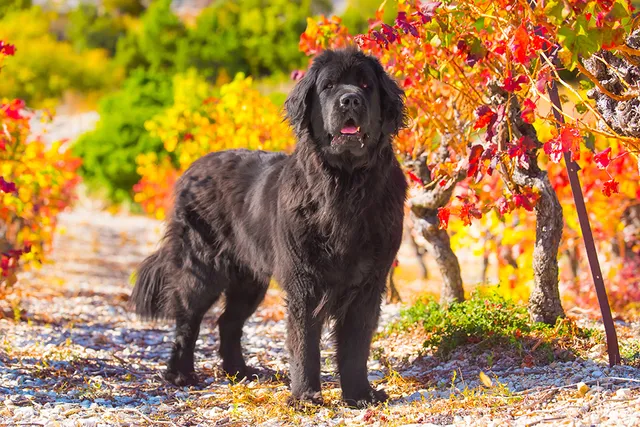
How Long Do Newfoundlands Live? Vet-Reviewed Average Lifespan, Data & Care Guide


In this article
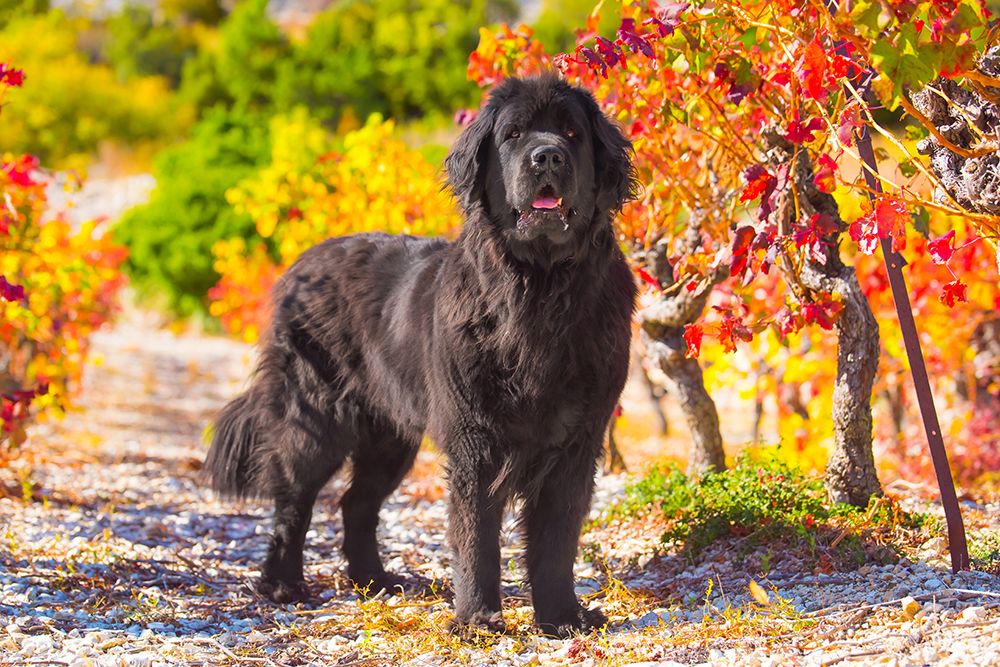
Often referred to as a “Newfie,” the Newfoundland is a giant breed of working dog that is more intimidating in appearance than in temperament. They make wonderful companions because of their friendly nature and patience with kids, and they are excellent pets for kids to grow up with. The Newfoundland tends to live between 9–10 years.
In this article, we’ll discuss the lifespan of a Newfoundland and the factors that affect their longevity so that you can provide your Newfie with the best care for a long and happy life.

What’s the Average Lifespan of a Newfoundland?
The average life expectancy for the Newfoundland is 9–10 years. Like some large-breed dogs, Newfoundlands are predisposed to a few health issues. Understanding how you can help Newfoundland live a long and happy life involves examining the factors that can affect it. There are a few, so let’s dive in and look at why some Newfies live longer than others.


Why Do Some Newfoundlands Live Longer Than Others?
1. Nutrition
Like all dogs, nutrition plays a large role in their overall health, and it is also an important factor in their longevity. A Newfoundland is a breed that needs a diet and nutrition to match its immense size. They require a high-quality, well-balanced diet and food recommended by a veterinarian that is compliant with the Association of American Feed Control Officials (AAFCO).
Another important topic to discuss with your veterinarian is whether your Newfie’s diet should include grains. Some studies and reports by the FDA have looked into a possible link between certain diets, particularly those labeled grain-free and high in legumes, and dilated cardiomyopathy (DCM). Since Newfoundlands are already predisposed to this condition, it’s especially important to choose a diet carefully with veterinary guidance.
2. Healthcare
While Newfoundlands are generally considered a robust breed, they are predisposed to certain health conditions that owners should be aware of. Awareness of these predisposed health issues can help you pick up signs early and better understand how to care for your Newfie. Some of the conditions include dilated cardiomyopathy, hip and elbow dysplasia, and gastric dilation-volvulus.
Proper healthcare also includes regular checkups with the veterinarian, keeping up with your dogs’ vaccine schedule to help prevent diseases and health issues, and administering the appropriate flea, worm, and tick preventatives recommended by a vet. While these steps cannot guarantee a longer lifespan, they can greatly improve your Newfoundland’s overall health and quality of life.
3. Environment and Conditions
It may seem surprising, but your dog's environment and living conditions will also affect its lifespan. Dogs that lack sufficient attention, stimulation, or social interaction may develop stress-related behaviors or separation anxiety, which can affect their eating habits, sleep patterns, and general quality of life.
Dogs that are exposed to fleas and ticks are at a higher risk of developing certain illnesses. It should also be kept safe from other dogs or animals that may pose a threat, and a sturdy fence is essential for Newfoundlands that roam around in the yard. Always ensure your dog’s environment is sanitary and safe.

4. Exercise and Training
Like all dogs, Newfies require exercise to maintain their weight and be mentally stimulated. Most benefit from around 30 to 60 minutes of moderate, low-impact activity per day, such as walking, swimming, or gentle hiking. Because Newfoundland is prone to arthritis and obesity, it is vital to maintain their body weight and keep their joints healthy with appropriate exercise.
Newfoundlands are intelligent dogs, but it’s best to begin training when they’re puppies. They grow fast, and it’s much easier to teach commands to a young dog that hasn’t reached 100 pounds. Early socialization is also important for raising a well-mannered and obedient dog. A dog that obeys and can be around other dogs is less likely to engage in dog fights or run off and injure itself. This includes leash training and obeying basic commands.
5. Size
A Newfoundland is considered a giant-breed dog, and big dogs generally live shorter lives than small dogs. It is said that giant and large breeds age faster and will, therefore, succumb to age-related issues earlier. In addition, larger dogs have a higher risk of certain diseases, including cancer. While the exact reasons are not fully understood, factors such as rapid growth, body size, and genetics are all thought to contribute to this increased risk.
6. Sex
The reproductive status of your Newfoundland can influence their overall health and lifespan. Dogs that are spayed or neutered are often associated with longer lifespans, although this is influenced by multiple factors, including lifestyle, health and level of care. This can be attributed to the fact that intact dogs are more likely to roam, exposing them to fights, injuries, infections, or trauma or death, such as being hit by a car. Sterilizing your dog also reduces the risks of specific ailments associated with reproductive organs, such as uterine infection and testicular cancer. Because Newfoundlands are a giant breed, it’s important to discuss the timing of spaying or neutering with your veterinarian to ensure the best outcome for your dog’s long-term health.

7. Dental Health
Research published in the Journal of the American Animal Hospital Association has shown an association between regular dental care and increased lifespan in dogs. Dogs that receive consistent dental care may also benefit from better overall health management.
Maintaining good dental hygiene is important because bacteria from plaque and periodontal disease can enter the bloodstream and potentially affect organs such as the heart, liver, and kidneys. Regular brushing and professional cleanings, as recommended by your veterinarian, can help support your dog’s overall health.
8. Breeding History
Getting your Newfoundland puppy from a reputable breeder is a great start to a long and healthy life. A reputable breeder cares about the health of their litter and the dogs’ parents. They may allow you to meet the parents and visit their home where breeding takes place. Their home should be well-maintained and clean, and the animals should look healthy and happy with quality diets, space to run, and warm, comfortable beds. Such breeders are transparent about their breeding practices and health testing, and they should be able to provide documentation of relevant screenings.
Responsible breeders typically conduct health testing for conditions common in the breed, such as hip dysplasia, elbow dysplasia, and dilated cardiomyopathy. In contrast, irresponsible breeding operations are less likely to prioritize health testing or proper socialization, which can increase the risk of health and behavioral issues. Choosing a well-informed and ethical breeder can improve the chances of your puppy starting life in good health.

The 4 Life Stages of a Newfoundland
Puppy Stage
The puppy stage of your Newfoundland is from 0–6 months. This is the fun, snuggle, and playtime stage, where you get to watch the pup grow quickly. This is also the crucial stage for training and socialization and the opportunity to get your dog's diet and health off to a good start.

Adolescent Stage
The adolescent stage in Newfoundlands typically begins around 6 months of age and continues until they reach full maturity, usually between 18 months and 2–3 years. This stage is likely the most energetic and the stage where your Newfie becomes more independent. This is where you start to learn their boundaries, and your training starts to pay off. Don't stop training! And remember, this is when training your Newfie requires a lot of patience, commitment, and interaction.
Adult Stage
The adult stage in Newfoundlands typically lasts from around 2 to 5 years of age, once they have reached full physical and mental maturity. This is also an important time to pay extra attention to its health and not to skip those check-ups!

Senior Stage
Your Newfie’s senior stage typically begins around 7 to 9 years of age, although some may show signs of aging earlier. During this period, you may notice a gradual decrease in energy levels, along with other age-related changes such as stiffness or slower recovery after activity. At this stage, dogs are more likely to develop age-related health conditions, so regular monitoring becomes especially important. Many veterinarians recommend increasing checkups to twice a year to help detect and manage potential issues early and support your dog’s overall quality of life.

How to Tell Your Newfoundland’s Age
If your Newfie came from a shelter, it may be difficult to tell its age. There are a few physical attributes that can help you determine the age of your dog. One commonly observed sign is graying around the muzzle, which can suggest maturity, although it is not a reliable measure of age on its own. Changes in coat quality and skin elasticity may also occur with aging but can vary widely between individual dogs.
Dental condition is often one of the most useful tools for estimating age. Most dogs have their full set of adult teeth by around 6 months of age. Over time, teeth may show increasing wear, discoloration, and tartar buildup, although this is influenced by diet and dental care.
Other factors such as eye clarity, paw pad condition, nail strength, overall energy level, and appetite can help provide a general sense of whether a dog is young, adult, or senior. However, these signs should always be interpreted together, ideally with veterinary assessment, as none are definitive on their own.


Conclusion
There is no certainty as to how long any Newfoundland will live, but their average lifespan is 9–10 years and sometimes even longer. For a Newfie to live the longest and happiest life, it is essential to adopt them from a reputable breeder, feed them a quality diet while watching their weight, understand their healthcare needs, provide adequate exercise and grooming, and give lots of love and attention.
Featured Image Credit: Pandas, Shutterstock
Expert dog care, straight to your inbox
News, insights, expert advice, and everything dog.

No spam — unsubscribe anytime.
By signing up, you agree to our Terms & Conditions and Privacy & Cookies Policy.
How useful was this post?
Click a star to rate. You can leave written feedback afterwards. (We read all feedback.)
Nicole has loved animals of all sizes her whole life so it's no wonder she has dedicated her career to helping them through what she loves best: learning, writing, and sharing knowledge with others. She’s the proud mom of two dogs, a cat, and a human. With a degree in Education and 15+ years of writing experience, Nicole wants to help pet parents and pets around the planet to live happy, safe, and healthy lives.