How Fast Can a Bernese Mountain Dog Run? Top Speed & Determining Factors


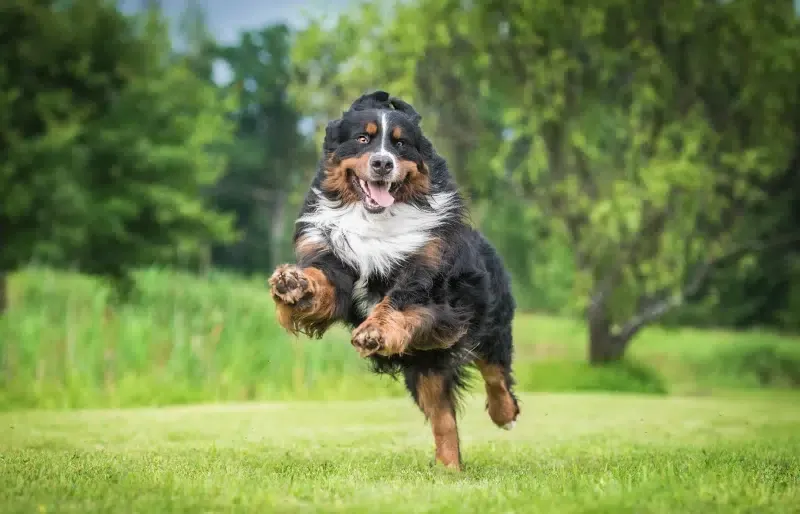
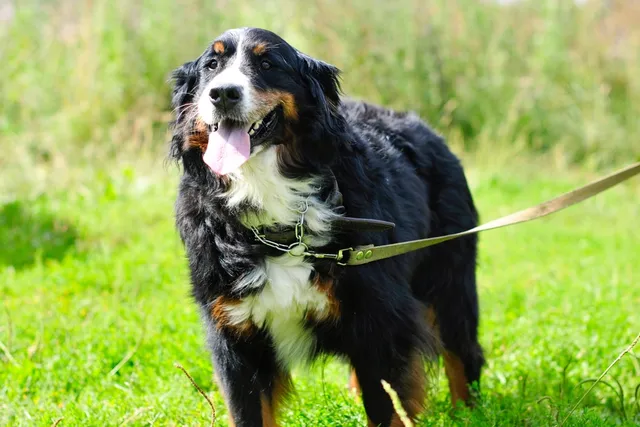
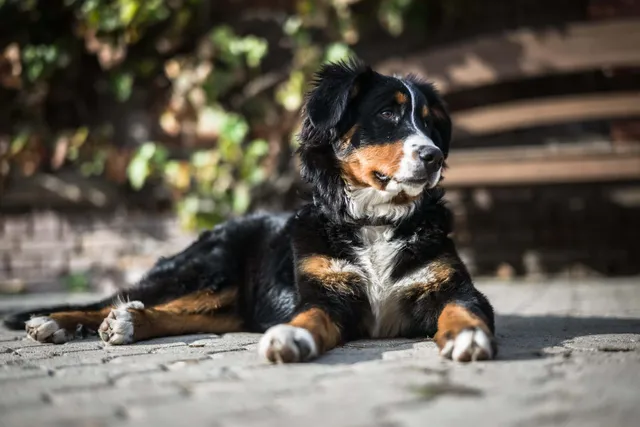
The Berner is not considered a super-fast dog. They are a moderate-energy, large breed, so you would not expect them to be expert runners. However, the average top speed for a Bernese Mountain Dog is estimated to be around 15–20 mph in the best of conditions. The average running speed for many dogs falls within a broad range depending on breed and build, making the Bernese Mountain Dog a moderate-speed runner compared to more athletic breeds.
For the Bernese Mountain Dog, things like age, health issues, and weather conditions can affect their energy level and, ultimately, their speed.

Bernese Mountain Dog Fast CAT (Course Agility Test) Speeds
Since 2016, the AKC has been running Fast CAT Races for dogs. According to their analysis of 59 Bernese Mountain Dogs, the fastest speed on record is 25.51 mph, with an average speed of 20.8 mph1 over a short sprint distance. The slowest speed on record is 11.95 mph.
The average speed of the female Berner is 20.5 mph, with the average speed of the male being slightly higher at 21.3 mph.
The record of 25.51 mph was achieved by Wagontale’s Exclusive Design CD BN RA OJP.
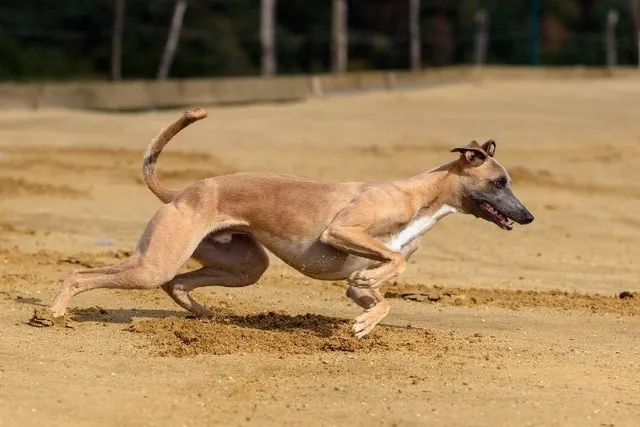
In terms of speed, the Bernese Mountain Dog ranks 159 out of 247 dog breeds. The Greyhound, of course, is the fastest breed, capable of reaching speeds of around 40–45 mph in short sprints. The slowest of the dog breeds is the Pekingese, which generally has much lower top speeds compared to athletic breeds.
In comparison to some other breeds and animals, the Bernese Mountain Dog may be a hard-working and energetic animal, but it will not win any running races.

| Animal | Average | Top Speed |
| Bernese Mountain Dog | 20.8 mph | 25.51 mph |
| Lion | 30–35 mph | 50.3 mph |
| Cheetah | 40–50 mph | 70–75 mph |
| Pronghorn | 30–35 mph | 60 mph |
| Ostrich | 25–30 mph | 43 mph |
Tips For Running With Your Bernese Mountain Dog
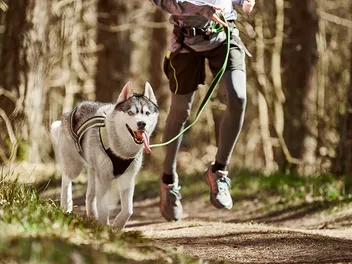
If you want to have your Bernese Mountain Dog be a running companion, here are some things to do.
- Keep your Berner in good health. Be sure to get regular wellness checks at the veterinarian and feed it a proper diet.
- Do not train or condition your Bernese Mountain Dog for running until its bones are fully developed. They should not be running when they are still puppies. The high-impact activity can increase the risk of joint stress and developmental orthopedic issues.
- Keep the dog fit and healthy by playing fetch, walking, and exercising. Keeping it healthy and fit will prepare their body for running.
- Keep your dog at an optimal weight.
Bone & Joint Problems in Bernese Mountain Dogs

Elbow dysplasia (ED) and canine hip dysplasia (CHD) are common bone and joint issues in large breeds, and Bernese Mountain Dogs are no exception. CHD will present with the following signs:
- Lameness
- “Bunny hop” type of run
- Loss of muscle tone in hind legs
- No longer enjoys certain activities
- Stiffness in hind legs
- Stiffness and difficulty getting up
- Discomfort and pain when exercising
Signs of elbow dysplasia include the following:
- Pain with elbow extension or flexion
- Joint swelling (effusion) or thickening around the elbow
- Avoids body contact with the painful limb
- Forelimb lameness, which may worsen after exercise
If your dog is showing these signs, we suggest you speak to a vet.
Conclusion
Yes, Bernese Mountain Dogs are hard-working dogs. They are moderate-energy and like to run and play. They are not, however, one of the fastest breeds. These loveable giants are average runners under ideal health and environmental conditions.
But their average speed is not the main reason to own a Bernese Mountain Dog. They are special because of their generally gentle temperament, often strong social bonds with their families, and playful personality. To have one is to love one—even if they are not the fastest runners.
Sources
Featured Image Credit: Rita_Kochmarjova, Shutterstock
Expert dog care, straight to your inbox
News, insights, expert advice, and everything dog.

No spam — unsubscribe anytime.
By signing up, you agree to our Terms & Conditions and Privacy & Cookies Policy.
How useful was this post?
Click a star to rate. You can leave written feedback afterwards. (We read all feedback.)
Nicole has loved animals of all sizes her whole life so it's no wonder she has dedicated her career to helping them through what she loves best: learning, writing, and sharing knowledge with others. She’s the proud mom of two dogs, a cat, and a human. With a degree in Education and 15+ years of writing experience, Nicole wants to help pet parents and pets around the planet to live happy, safe, and healthy lives.