How Fast Can a Dog Run? Fastest Breed & General Facts (Vet-Reviewed)


In this article
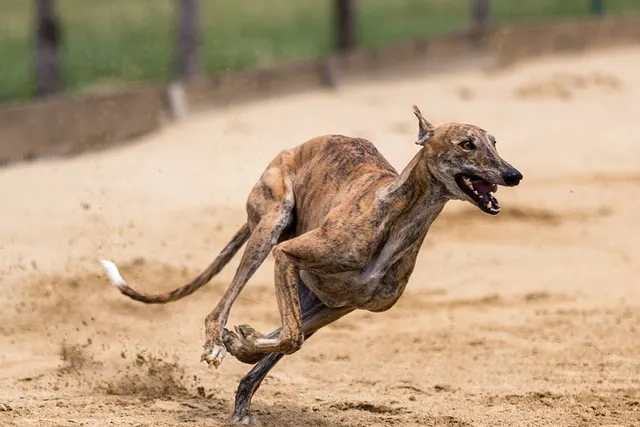
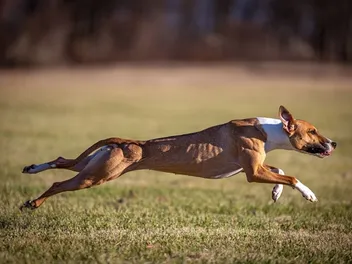
You already know that your dog is fast, but have you ever wondered just how fast they are? As it turns out, the answer isn’t easy to give in a single sentence because the dog's speed depends on their breed, size, age, health, lifestyle, and fitness level. For example, a Greyhound, the fastest dog, can run up to 45mph.
One thing that we can tell you for sure is that you probably shouldn’t challenge your dog to a footrace.

How Fast Are Dogs?
Some dogs, like Greyhounds, are incredibly fast, while others, like Pugs, are much slower due to breed-related factors and brachycephalic constitution. It’s impossible to give a one-size-fits-all answer to this question, and what do we mean by “fast?” That usually means the highest top-end speed that an animal can generate, often over short distances. That can be a bit misleading, though.
For example, most people would say that a champion sprinter is faster than a record-setting marathoner. However, the marathoner would undoubtedly run farther than the sprinter could manage.
So, while Greyhounds are among the fastest dog breeds over short distances, they are not built for long-distance endurance, where breeds like the Australian Shepherd may perform better over extended runs.
How Fast Can Fast Dogs Run?
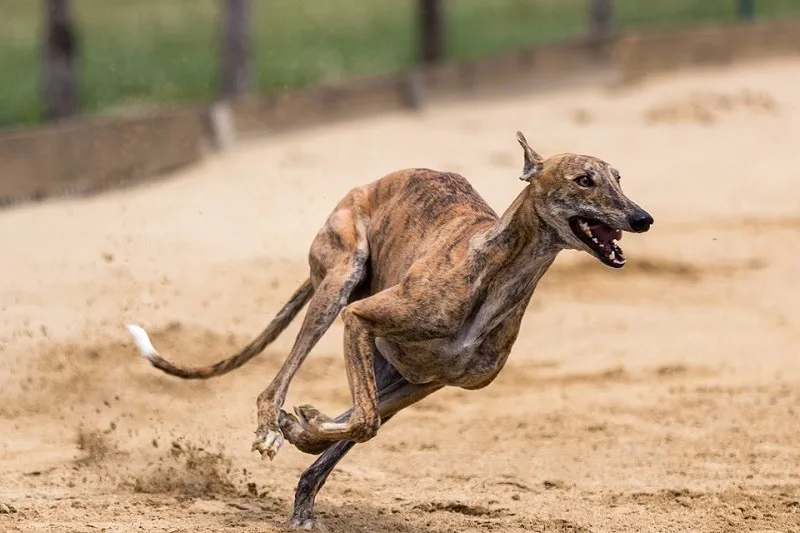
Greyhounds are the fastest dog breed, but how fast are they? A Greyhound’s top speed is somewhere in the vicinity of 45 mph, which is enough to put them in rare company among land animals. Only a handful of species can boast faster top-end speeds, such as cheetahs, quarter horses, and (surprisingly enough) ostriches.
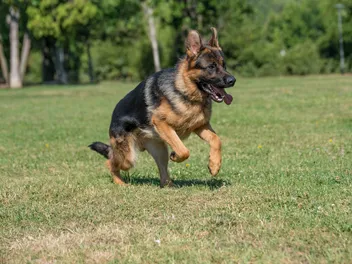
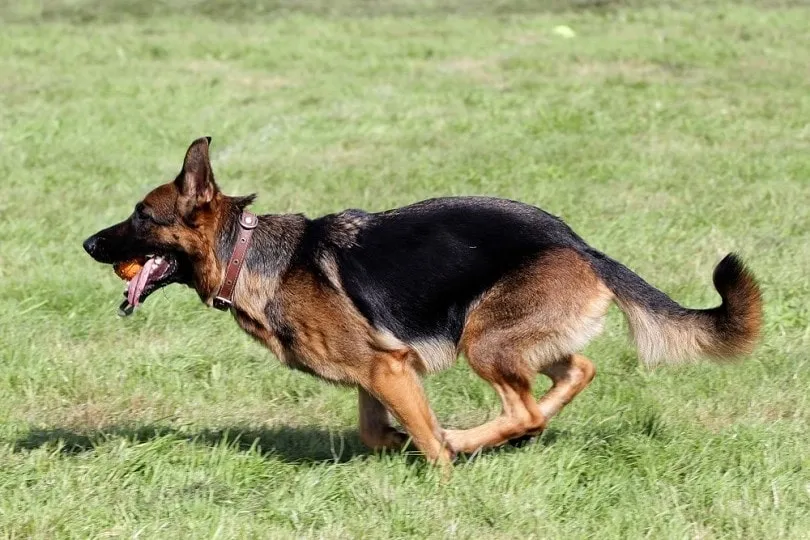
While Greyhounds hold the crown among canines, they’re far from the only fast canines. Salukis can hit 42 mph, Jack Russells are agile and fast for their size, though they do not reach the top sprint speeds of sighthounds, and German Shepherds are often clocked at around 30 mph in short bursts.
One characteristic that all these fast pups have in common is that they were either selectively bred for hunting, herding or other working roles. This requires them to be quick and agile, and they have retained those traits even if they rarely get to use them for their original purposes.
What About Slow Dogs?
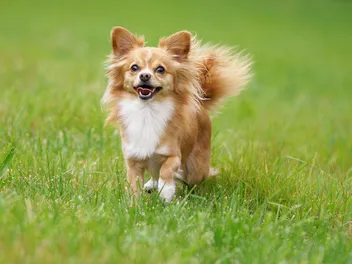
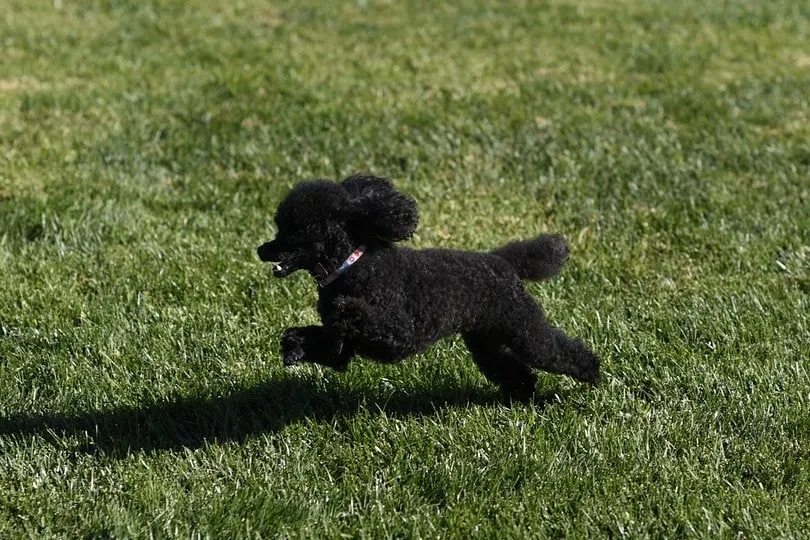
Some dogs are slower than others and are not built for sustained speed. These include Basset Hounds, Pugs, and Chihuahuas, which are generally slower and less built for speed compared to many other breeds. Other slowpokes include Shih Tzus, Toy Poodles, and English Bulldogs, though their exact speed varies widely depending on health and individual fitness.
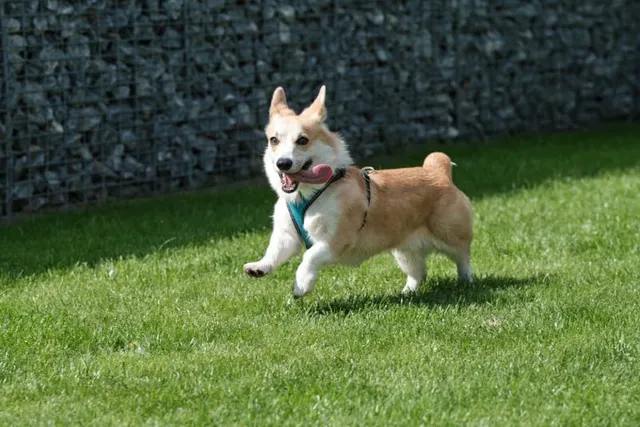
As you can see, most of the slower dogs are also smaller dogs. They don’t have the long limbs necessary to generate high top-end speeds, but many of them are extremely quick and agile over short distances. Many of these breeds were developed for companionship, scent tracking, or endurance rather than high-speed chasing.
Many are lap dogs, while others, like Basset Hounds, were bred to track prey over long distances rather than run them down in the short term. Basset Hounds are also prized for their powerful senses of smell, so they don't need to run too fast, lest they miss an important odor.
Which Breeds Are Distance Runners?
Some dogs are endurance athletes rather than sprinters. While they may not match Greyhounds over short distances, they tend to outperform them in endurance over long runs.
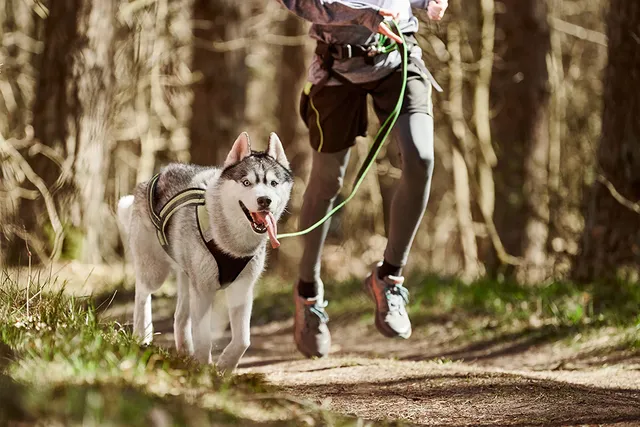
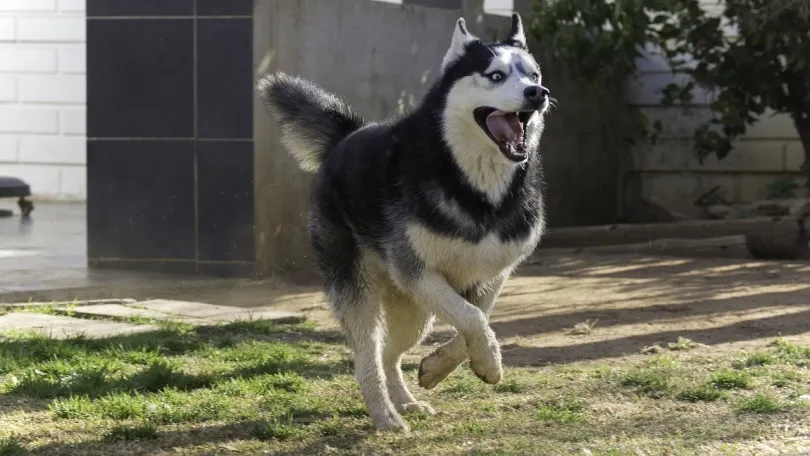
Many endurance-oriented breeds can maintain moderate running speeds over long distances for extended periods. These include Labradors, Siberian Huskies, and English Setters. The dog’s origins will hold clues to how fast they can run. Labradors and English Setters are hunting dogs, so they’ll need to be able to spend an entire day fetching their quarry. On the other hand, Siberian Huskies were designed to pull sleds, so they need to be powerful and reliable rather than capable of short bursts of speed.
What Can Limit a Dog’s Speed?
A dog’s physical makeup plays a significant role in determining their running speed. This is true for both individuals and breeds, although the differences are more pronounced when comparing breeds. Their size is also essential because dogs with longer legs can generally run faster than those with short limbs. This isn’t universally true sinceJack Russell Terriers can usually run faster than St. Bernards, for example.
The problem with St. Bernards is that they carry too much weight to be as fast as some other breeds. Many of the fastest breeds combine long limbs with lithe, supple bodies so they can move quickly without getting tired.
Many dogs with short, stubby noses (called “brachycephalic” breeds) simply can’t breathe as efficiently as their longer-nosed counterparts and are prone to heat stroke. This makes it harder for them to run fast or cover long distances while also making it more likely that they’ll overheat due to all that effort.
Are Dogs Faster Than Humans?
You’ve probably realized that the average dog is faster than the average human, but is that due to an inherent physical advantage, or is it more because the average human isn’t in great shape? What would happen if we compared a peak human (say, Usain Bolt) to a dog?
Usain Bolt’s top measured speed is about 27.33 mph. That means he’s faster than most dogs in the world but quite a bit slower than your average Greyhound.
Humans and dogs have more in common than you’d think regarding running. Dogs are descended from wolves, and unlike most cats (like cheetahs), wolves hunt in packs. It’s less important for a wolf to be able to outrun their prey as long as the pack can wear it down over time. This leads to endurance and proficiency over long distances rather than elite top-end speeds.
Likewise, humans are possibly the best distance runners of any species on the planet. Some anthropologists have suggested that endurance running may have played an important role in human evolution, alongside other factors such as cognitive development. Like wolves, humans are not natural sprinters, but are adapted for endurance over long distances rather than short bursts of speed.

Bottom Line: Dogs Are (Generally) Pretty Fast
While not every dog is capable of blowing your doors off in a race, for the most part, you’d be well-advised not to try to outrun a dog unless you have Olympic gold hanging in your trophy case. Most breeds are quite a bit faster than the average human, and even slower breeds may still be able to match or exceed human endurance in certain conditions, depending on distance and pace.
See Also:
Featured Image Credit: Herbert Aust, Pixabay
Expert dog care, straight to your inbox
News, insights, expert advice, and everything dog.

No spam — unsubscribe anytime.
By signing up, you agree to our Terms & Conditions and Privacy & Cookies Policy.
How useful was this post?
Click a star to rate. You can leave written feedback afterwards. (We read all feedback.)
Quincy has been around mutts his entire life and has been writing about them for the past nine years and now consists of sharing a house with three spoiled pups who couldn’t hold down a job to save their lives. Quincy never intended to be a cat person. When his wife brought home a kitten one day, he told her she had one week to find it a new home. That week turned into 10 years (his wife moves very slowly), and that kitten turned into three (they got two more, the kitten didn't self-replicate). After a decade of sharing his home with the dogs and three cats, one horrifying realization finally set in: oh God, he's a cat person now too, isn't he???