How Big a Sheltie Gets: With Growth & Weight Chart


In this article
When introducing a new puppy into your life, it is essential to know the breed's characteristics to find a dog that fits you the best. The Shetland Sheepdog, often called a Sheltie, is a breed of dog that is very popular because of their high intelligence and their unique looks. They are very active and playful, which makes them great for families.
But if you are interested in other characteristics of this breed, for instance, how big they get, read on below.

Sheltie Breed Overview
Shetland sheepdogs originated from the Shetland Islands on the coast of Scotland, where they were used as herding dogs and farm watchdogs. But as time progressed, they were recognized as amazing dogs for families. They bond with their owners very quickly, which is not good if you spend a lot of time away from home; they can get lonely if left alone for too long.
All sheepdogs have a common characteristic: they are intelligent, which means they often respond well to training. Considering what they were bred for, they are very active, meaning they will need regular exercise and playtime. Playtime is crucial for them because if they are bored, they may find something else to do, and this can include destructive behavior!

Sheltie Size & Growth Chart
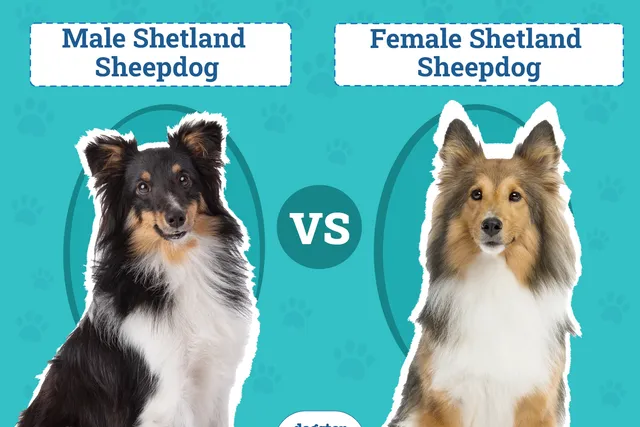
Considered a medium dog breed, adult Shelties grow between 14 and 26 pounds. Of course, there will be differences in weight depending on their gender, but these differences will be minor. Their height ranges from 13 to 16 inches at the shoulder. Below, we have included a helpful chart that lists all weight changes as a typical Sheltie grows. You can use this helpful chart to compare with your own dog.
| Age | Weight Range |
| 3 months | 6 lbs–11 lbs |
| 4 months | 8 lbs–15 lbs |
| 5 months | 10 lbs–17 lbs |
| 6 months | 11 lbs–20.5 lbs |
| 7 months | 12 lbs–22 lbs |
| 8 months | 13 lbs–23 lbs |
| 9 months | 13 lbs–23.5 lbs |
| 10 months | 13.5 lbs–24 lbs |
| 11 months | 13.5 lbs–24.5 lbs |
| 12 months | 14 lbs–25 lbs |
| 14 months | 14 lbs–26 lbs |
Note: The weights shown are approximate averages. Individual Shelties may grow at different rates and still be healthy. Genetics, sex, nutrition, and overall health can all affect a dog's size and weight.
When Does a Sheltie Stop Growing?
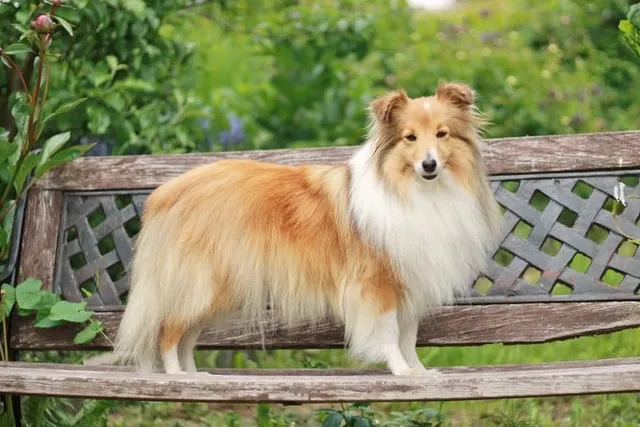
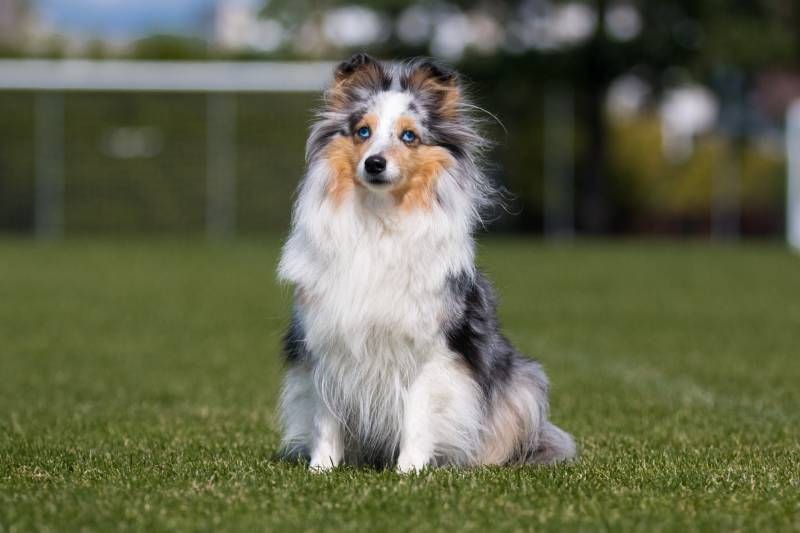
Shelties are considered to be small to medium-sized dogs, but because of their long furry coat, they can appear bigger than they are. Like many other small dog breeds, you should expect your Sheltie to reach most of its adult height and size by about 12 months. But not all of them develop at the same speed—some grow faster, and some grow slower depending on genetics, diet, and other factors.
Don’t confuse their physical growth with their mental growth because even though they appear fully grown at 12 months old, they are still technically puppies and will take more time to mature.


Factors Affecting the Size of Shelties
We already touched on the subject of factors that can affect the growth of your Sheltie, but now we will talk more about them. These factors include:
Genetics is a significant factor in the growth of a Sheltie because the parents' size will influence how big the puppy will get—bigger parents usually mean your dog will be larger too. Males also tend to get slightly bigger than their female counterparts. Diet is crucial for maintaining the healthy development of the bones and muscles in your Sheltie, so with that said, it should contain all the essential nutrients that they need.
Lastly, intestinal parasites and other health issues can cause problems with the growth of a Sheltie, so if you have a young dog that is still developing, don't forget to take them for regular vet checkups to make sure they’re developing correctly.

Ideal Diet for Maintaining a Healthy Weight
Most veterinarians recommend feeding a complete and balanced commercial diet appropriate for your dog's life stage; sometimes, you can mix it up and add small amounts of healthy meat, tinned food, or dog-safe vegetables. Kibble is made especially for your dog, which means they contain all of the nutrients that your Sheltie needs for their daily activities, and it will also help them maintain their body weight properly.
Shelties can get overweight if they consume more calories than they burn, so you mustn't overfeed your Sheltie. While treats are an essential part of a dog’s training, try to cut their treats to a minimum to avoid them gaining weight. You can also try some healthier alternatives to dog treats, such as homemade options. These homemade treats will let you calculate precisely the amount of calories your Sheltie will consume throughout the day.
And finally, another important factor for maintaining a healthy weight is regular activity, which will keep your Sheltie fit and strong and can help keep them happy.

How to Measure Your Sheltie
Measuring your Sheltie is essential for keeping track of their growth and weight. If you want to measure your Sheltie’s height, we suggest that you do that while they are standing and have someone who can hold them and keep them from moving, or you can also press them against the wall gently but firmly. You should measure the space between the paw and the highest point of their body at the shoulders (withers). Measure their chest circumference by wrapping a measuring tape around the widest part of the chest, typically just behind the dog's shoulders so that the tape passes right behind your Sheltie's front legs.
A similar method goes for measuring the neck circumference. Wrap the tape around the Sheltie's neck, right where their collar would normally sit. It is also important to measure the entire length of your Sheltie's body, and you should measure the space between the neck and the base of the tail.
To accurately keep a weight chart of your pup, it is easiest to collect two measurements. The first is of your own, and the second is of your body weight while you are holding your dog in your arms. Subtracting your weight will give you the precise weight of your pup.
Conclusion
Shelties are very active dogs that require regular exercise and play, which you should consider carefully if you want to get one of these fantastic dogs. Hopefully, our article has helped answer any questions you may have regarding the growth of your Sheltie.
Sources
Featured Image Credit: Lisjatina, Shutterstock
Expert dog care, straight to your inbox
News, insights, expert advice, and everything dog.

No spam — unsubscribe anytime.
By signing up, you agree to our Terms & Conditions and Privacy & Cookies Policy.
How useful was this post?
Click a star to rate. You can leave written feedback afterwards. (We read all feedback.)
Upon completing her degree from the College of Fine Arts, Jana embarked on a quest to find a platform to manifest her wild imagination. It was then that she discovered her passion for content writing, which swept her off her feet. As a freelance writer, she is always on the move, with an adventurous and restless spirit that propels her forward. When she is not typing away in her cozy writing nook, she spends her time honing her skills as a sculptor, painter, and woodworker in her workshop. Writing has become her primary medium of expression, and she plans to nurture this passion further, using it as a conduit for her never-ending creativity.