How Big Does a Pug Get (With Weight & Growth Chart)

In this article
When you bring home a little 8-week-old puppy, it seems like it can barely fit in your hands. You'll ooh and ahh over them, taking lots of photos and videos of their adorable stages as they age. But you might realize that they quickly get bigger. As sad as it is, it's a fact of life.
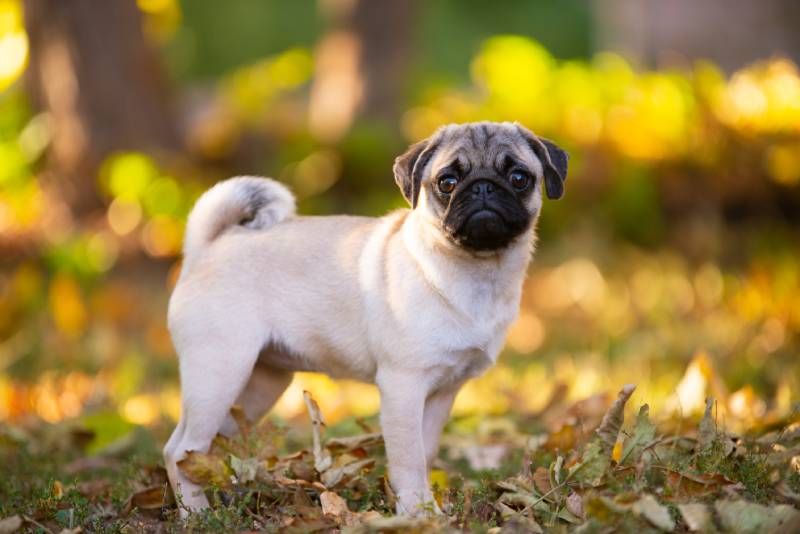
Everything has to grow up! But just how quickly does a Pug grow? The small breed will never get too big, topping out at roughly 16 pounds. So, what can you expect from puppyhood to adult life? We will explain how quickly your Pug grows and some other valuable information to get you started.

Pug Breed Overview
Pugs are incredibly cheerful little dogs with spunky personalities and so much affection to give. People pick these dogs perhaps because they are apartment-friendly, kid-friendly, and can acclimate to just about any living situation. What's not to love?
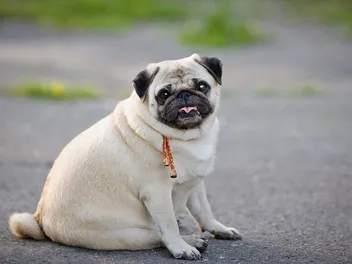
Since Pugs are small, it takes them only a little while to achieve full size. However, you'll likely notice your Pug plumping up and getting even more full of those beautiful wrinkles we love so much.
These dogs are perfect for apartment living as they are relaxed and tiny. If you welcome a little Pug into your household, you never have to worry about them getting too big. You basically have a puppy for life!

Pug Size and Growth Chart
Here is a good representation of a Pug growth chart. Keep in mind that this chart does not apply to any other breed. Every single dog breed is entirely different in terms of development, and therefore we'll have different growth markers. So, if you have another puppy of a different breed, look up their specifics. If you have a mixed breed, consider that it can be unpredictable. Your vet will help you determine if your puppy is growing efficiently.
| Age | Weight Range |
| 3 months | 3–5 pounds |
| 4 months | 6–8 pounds |
| 5 months | 10–12 pounds |
| 6 months | 13–15 pounds |
| 7 months | 14–17 pounds |
| 1 year | 14–20 pounds |
After the 7-month marker, your Pug should maintain that range of weight. Even though you might notice them filling out, the weight should remain approximately the same.
When Does a Pug Stop Growing?
Because Pugs are a small breed, they develop quicker than medium to large breeds. Plugs usually reach their full adult size by the time they turn 9 months of age. They could take another year putting on muscle mass and bulking up. However, bone growth is established.
If any growth disorder is suspected, you can run further testing to determine exactly what's wrong and how to remedy it. Always make slow changes to your puppy's nutrition and ensure you are feeding the exact measurements for their age and weight.

Factors Affecting the Size of Pug
Even though most Pugs will be relatively the same size as adults, certain factors can influence overall growth. Some of these factors include:
1. Correct Diet
Diet can have a very major impact on how your Pug grows. For example, if your Pug is getting adequate nutrition, they will be on track with their growth markers. However, a severely underfed puppy can delay growth and cause a series of other visual misses.
However, if a puppy is overfed, it can cause significant weight gain, making your puppy off the charts for its age. It's imperative to keep track so you know where your puppy lands on the spectrum.
Also, feeding your puppy an incorrect diet, such as giving them a recipe for adult dogs, can deplete necessary nutrients in their body. This lack of proper nutrients can slow growth problems.

2. Gender
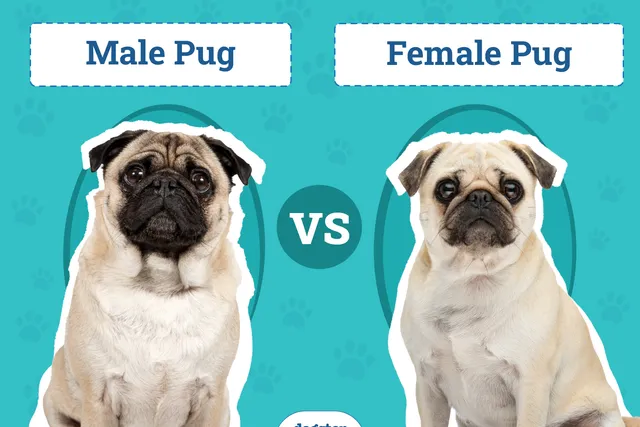
Males tend to get bigger than females. So, if you have a male Pug, it will likely be on the higher end of the growth spectrum. If you have a female, they tend to be on the lower end. While that's not the case in every scenario, it's pretty across the board.
3. Illness
If your puppy has an illness or something as irritating as food allergies, it can delay the growth period. If your dog's gastrointestinal system, among other body systems, isn't functioning correctly; it can keep the body from absorbing those vital nutrients that promote proper growth.

4. Environment
The environment can count for so many different categories. For example, if you have multiple pets in your household and you have a brand-new puppy, they might get their food stolen, among other problems. If this happens frequently, it can lead to your Pug being underweight, which can delay growth.
Also, if your Pug puppy is very stressed and not in their right element, it can cause a lack of appetite, leading to delayed growth.
5. Breed
Pugs grow at different rates than other breeds. These small dogs achieve full growth by 9 months of age. Other larger breeds take much longer to develop. Some breeds can take up to 2 years to reach their full size.

6. Spaying/Neutering
Spaying and neutering is just a routine part of care when you own a pet. After all, you won't want any health issues to develop or improper breeding to occur due to having an unaltered animal. But there's a time and a place for everything.
Science is still studying the effects of spaying and neutering on your animal's body. If you get your Pug fixed before sexual maturity, it can influence estrogen and testosterone levels. Since estrogen and testosterone levels affect bone development, spaying and neutering can alter growth plate closures.
Since this is such an important decision that will impact your Pug's health forever, always consult with your vet. Your vet will determine the exact time for your Pug to get fixed.
Ideal Diet for Maintaining a Healthy Weight
Creating a healthy diet for your pup is one of the most crucial things you can do. As young puppies, their diet affects growth and overall health as your dog matures.
Initially, you should feed your puppy a specialized dog food that is designed explicitly for young dogs. These particular recipes have essential ingredients such as DHA, and some also have additives like chondroitin and glucosamine for joint support.
We recommend getting advice and guidance from a veterinarian if you have any questions or concerns regarding your pet's diet and weight.
Feeding Schedules for Pug Puppies
| Age | Times Per Day | Dry Dog Food (cups) | Wet Canned Food | Homemade or Raw (% of body weight) |
| 2–3 months | 4 | ¼ | 3 oz | 5–6% |
| 3–6 months | 3 | 1/3 | 4 oz | 4–5% |
| 6–12 months | 2 | ¾ | 9 oz | 3–4% |
| 1–8 years | 2 | ½ | 6 oz | 2–3% |
| 8+ | 2 | 1/3 | 4 oz | 2% |
Dry Kibble, Wet Canned Food, or A Fresh Diet
When you're selecting a diet for your Pug, consider several things. First, Pugs can be somewhat picky eaters. Dry kibble only sometimes appeals to the taste buds of some more selective dogs. However, dry kibble is better for your dog. Too much-wet food can also lead to loose stools.
Many pet owners choose to feed their dogs a combination of quality dry dog food and wet dog food. Others stick to one or the other. No matter what diet you choose for your dog, ensure it is complete quality without irritating artificial ingredients and heavy preservatives.
Fresh dog food is growing in popularity. Many folks are relying on subscription-based services for pet nutrition. These companies cater to the individual pet, pre-packaging dog food according to weight and age. This method is hassle-free, but it can be expensive.
Alternatively, some pet parents, alongside their veterinarians, devise a homemade diet to feed their pups. These recipes should always have veterinary approval to make sure you are giving your dog the necessary nutrients they need. Measurements can be a bit trickier this way as well, but you can certainly hash out the details.


How to Measure Your Pug
You will need to measure your Pug for various reasons, whether you're buying a new harness or just keeping track of their growth. Here is how to measure your dog effectively. First, get a flexible measuring tape so you can appropriately calculate. Next, measure and record the following areas:
- Neck: Measure the neck's circumference directly in the center of the ears and the base of the neck.
- Length: Measure between the shoulder blades to the base of your Pug’s tail.
- Chest: Measure the circumference from the back to the widest part of the chest.

Final Thoughts
So, now you know how fast or slow your Pug puppy might grow. Of course, every Pug will be their own individual, growing at slightly different rates. However, if you notice your dog has fallen off the scales or doesn't seem to be on par with pups their age, a vet appointment is your next step. You'll want to see a professional to determine if this current size is normal for them or if any changes need to be made to promote better growth. See also:
Sources
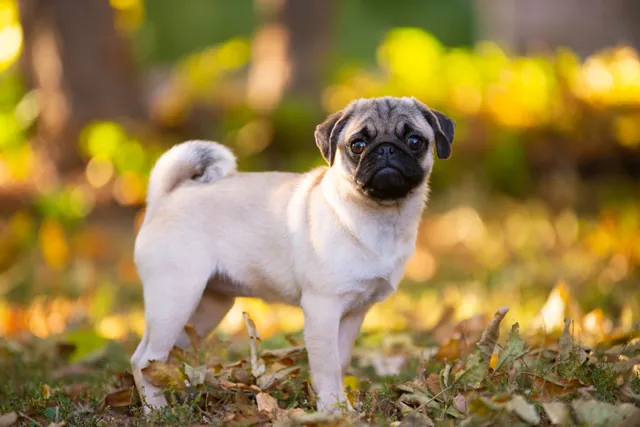
Featured Image Credit: Poltavets Anastasiia, Shutterstock
Expert dog care, straight to your inbox
News, insights, expert advice, and everything dog.

No spam — unsubscribe anytime.
By signing up, you agree to our Terms & Conditions and Privacy & Cookies Policy.
How useful was this post?
Click a star to rate. You can leave written feedback afterwards. (We read all feedback.)
Ashley Bates is a freelance dog writer and pet enthusiast who is currently studying the art of animal therapy. A mother to four human children— and 23 furry and feathery kids, too – Ashley volunteers at local shelters, advocates for animal well-being, and rescues every creature in need. Her mission is to create awareness, education, and entertainment about pets to prevent homelessness. Her specialties are dogs and cats.