Dogster is reader-supported. When you buy via links on our site, we may earn a commission at no cost to you. Learn more.

Dog Health & Care

How to Groom a Sheltie: 3 Expert Tips & Steps

Kit Copson
By Kit CopsonUpdated on June 29, 2026
Share
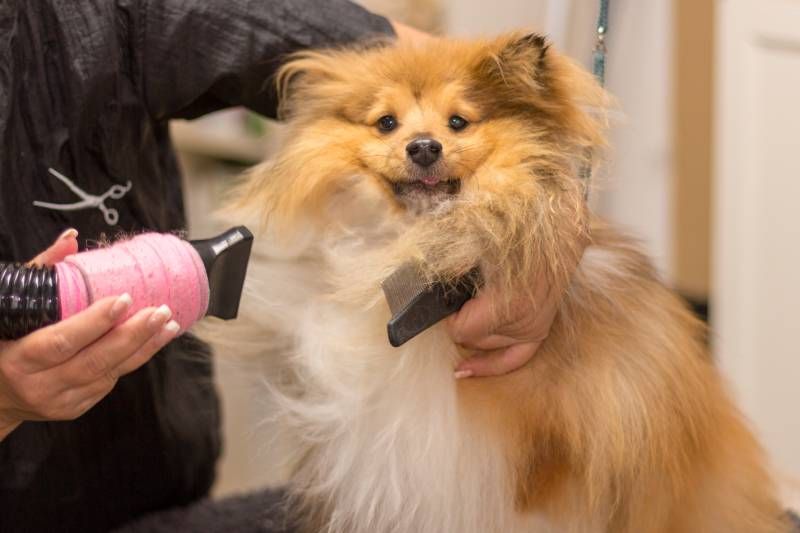
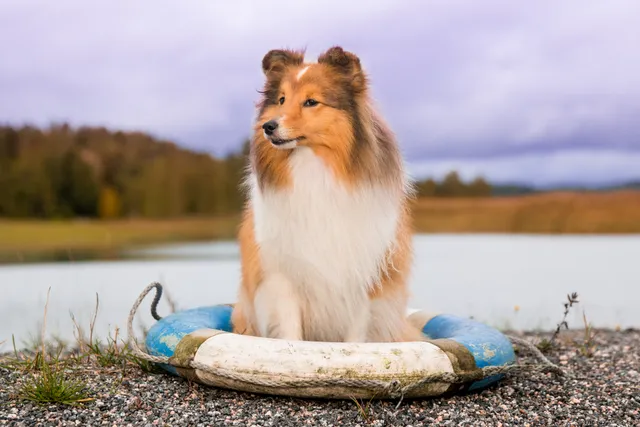
shetland sheepdog sits on table by a dog parlor

When it comes to grooming a dog, many of us automatically think about brushing. In fact, grooming involves a variety of general care and maintenance tasks, including brushing, bathing (when necessary), coat trimming, and nail trimming.

Shelties are heavy shedders, so it’s important to keep their mass of hair under control to prevent matting, tangles, and “tumbleweeds” floating about your house. In this guide, we’ll walk you through the steps of grooming a Sheltie to keep their coat in tip-top condition.

divider dog paws 3 oct 2024

Sheltie Grooming: What You’ll Need

Depending on the area of grooming you plan to work on, you may not need all of the below items for one session.

However, it’s a good idea to have all of these at home to fulfill your Sheltie’s various grooming needs whenever necessary:

  • Pin brush
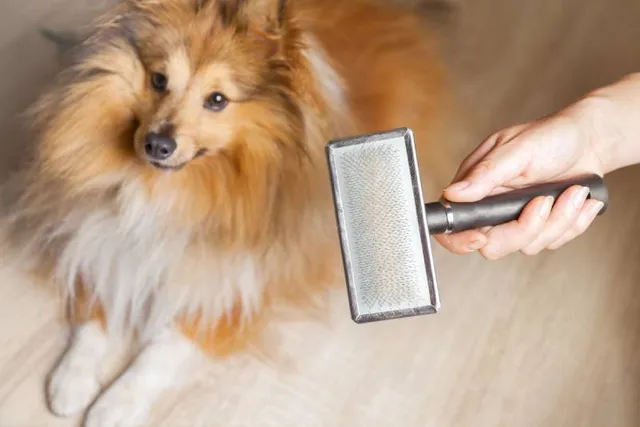
  • De-shedding tool (options include slicker brushes, de-shedding combs, and de-shedding rakes)
  • Dog comb
  • Coat scissors or shears (safety scissors with rounded ends are ideal)
  • Nail clippers or scissors
  • Dog shampoo (not human shampoo)
  • Detangling spray
  • Leave-in conditioner
divider dog paws 3 oct 2024

The 3 Expert Tips on How to Groom a Sheltie

1. Bathing a Sheltie

Image Credit: Filmbildfabrik, Shutterstock

Bathing your Sheltie can help remove the undercoat during shedding seasons. It is a simple process but can be a little time-consuming. Here’s how to do it safely:

What You’ll Need:

  • Pin brush
  • Towel
  • Dog shampoo
  • Dog conditioner (optional)
  • Detangling spray

Steps:

  • Mist your Sheltie’s coat with some water or detangling spray and brush through the coat before bathing to loosen up any tangles.
  • Thoroughly wet your Sheltie with comfortably warm (not hot) water by saturating the coat with the shower head. Sheltie’s coats repel water, so you may need to take a bit of time to get the coat completely wet.
  • Take some dog shampoo in your palms and lather it around your Sheltie’s collar area. Take care not to get any in the eyes.
  • Move on to working more shampoo down the back and on the belly, tail, and legs—remember to get a good lather going.
  • Rinse your Sheltie thoroughly.
  • (Optional) Work conditioner into the coat and leave it to work in for the amount of time stated on the bottle. Rinse thoroughly again.
  • Towel dry and then blow-dry your Sheltie (make sure the temperature isn’t too hot) or let them dry naturally.
  • When your Sheltie is dry, mist the coat with a detangling spray and brush it once more to make sure the coat is free of any leftover tangles.

Our Favorite Products

Selecting the right shampoo and conditioner makes the world of a difference when grooming your pup. Our favorite products are the duo by Hepper. The Oatmeal Pet Shampoo is formulated with aloe and oatmeal to soothe skin and hydrate the coat. The Pet Conditioner works at eliminating tangles and taming frizz and static. Both products are pH-balanced and formulated with pet-friendly ingredients, free of harsh soaps, chemicals, and dyes. Give this duo a try to heal and nourish your dog's coat, and leave them with an irresistible just-left-the-spa cucumber and aloe scent. 

Comparison Table (block #764237)

At Dogster, we’ve admired Hepper for many years and decided to take a controlling ownership interest so that we could benefit from the outstanding designs of this cool pet company!


2. De-shedding & Brushing Your Sheltie

Shelties shed throughout the year, but they also blow their coats during shedding seasons. At these times, it’s wise to use a de-shedding tool on your Sheltie to remove the loose undercoat and prevent matting.

Outside of shedding seasons, you should only need to brush your Sheltie once weekly, but you can certainly do it more often than this. Detangling spray is very useful for grooming as a completely dry coat can be hard to handle but, on that note, you should avoid brushing your Sheltie while they’re still wet after a bath. Here’s how to fully de-shed and brush your Sheltie:

What You’ll Need:

  • De-shedding tool (slicker brush, comb, or rake)
  • A smaller de-shedding tool for hard-to-reach areas (optional)
  • A regular dog brush
  • Comb
  • Trimming scissors (safety scissors with rounded ends are ideal)

Note: You can do this after your Sheltie has been bathed and dried or simply whenever they need a full brush and de-shed.

Steps:

  • Mist some detangling spray or leave-in conditioner over your Sheltie’s dry coat.
  • Brush your Sheltie with a regular dog brush (like a pin brush) to smooth out the top coat and remove any dirt and debris before de-shedding. The best way to brush a Sheltie is to part their hair in a line along the area you’re working on and brush downwards on either side until everything is nicely smoothed out. Continue lightly misting as you go.
  • When you’re done with brushing, take the de-shedding tool and brush in an upward motion away from the body along the lines. This makes it easier to remove the undercoat.
  • Don’t forget the ears, collar, armpits, and tail base, as the undercoat can build up here and create mats. If you like, you can look into getting a smaller de-shedding comb to tackle more detailed areas in addition to your regular de-shedding tool.
  • Go over the coat one more time with the pin brush. Then, take a comb and comb in the direction the hair grows to smooth out your Sheltie’s coat.
  • Check for any areas that may need a light trim just to tidy things up, perhaps the paw hair, tail, or belly hair. If you’re not comfortable doing this or your dog is the squirmy type, it might be best to let a professional groomer handle it.

3. Trimming Your Sheltie’s Nails

Image Credit: cynoclub, Shutterstock

Nail trimming is important because overgrown nails can quickly become painful for dogs. It’s wise to check your Sheltie’s nails regularly to see if they would benefit from a trim. Some dogs need to have their nails trimmed every few weeks.

That said, nail trimming is one of the aspects of grooming that many dog parents find most stressful, especially if your dog is squirmy. If this is the case, it’s best to have someone on hand to hold and reassure your dog while you trim. If your dog is so squirmy that you can’t hold onto them, it might be best to let a professional do the trimming. Here’s how to do it safely:

What You’ll Need:

  • Nail scissors or clippers
  • Styptic powder (for accidents)
  • A human assistant (optional)

Steps:

  • If your Sheltie is the squirmy or nervous type, have someone there to pet, reassure, and offer treats throughout the process.
  • Gently squeeze your Sheltie’s paw pad to get the nail to extend.
  • Look for the quick, which is the pink part of the nail if the nails are white. It will be harder to see on dark nails, so you might want to use a flashlight or the light from your phone. Look for a dark mass within the nail. Avoid cutting the quick as this causes bleeding and pain.
  • Trim just a little bit off the left side of the tip of your Sheltie’s nail. Offer a treat to reward them for tolerating the trim. Then, trim the tip on the right side and, finally, trim the middle part. Trimming in little sections is better than trimming off one big piece as it helps prevent you from trimming too far down.
  • Continue this process until all the nails have been trimmed. If you can’t finish them all in one sitting, don’t worry—it’s best to do one or two at a time in short bursts than stress your dog out by forcing things.
  • If you do accidentally cut the quick, apply styptic powder with a little pressure to the nail to stop the bleeding and ease discomfort.
divider dog paws 3 oct 2024

Final Thoughts

In addition to brushing your Sheltie and trimming their nails, it’s a good idea to check their ears regularly to see if any dirt and debris is building up there. It’s also a good opportunity to check for signs of infection. You might also want to get your Sheltie used to tooth brushing from an early age to help reduce plaque and tartar buildup.

If you’re finding any part of your Sheltie’s grooming routine too challenging, consider reaching out to a professional groomer for help.

See also: Best Dog Foods for St. Bernards

Sources

Featured Image Credit: Nehris, Shutterstock

Want content like this delivered to you?

News, insights, expert advice, and everything dog

Kit Copson
Authored by

Kit Copson

8 Adorable Sheltie Haircuts & Grooming Styles (With Pictures)

8 Adorable Sheltie Haircuts & Grooming Styles (With Pictures)

Shetland Sheepdogs, or Shelties, are known for their beautiful double coat that keeps them warm and protected from the elements. While their coats are stunning…

Nicole Cosgrove
By Nicole Cosgrove · 2 weeks ago
How Long Does a Sheltie Live? Average Lifespan, Data & Care (Vet Approved)

How Long Does a Sheltie Live? Average Lifespan, Data & Care (Vet Approved)

The Shetland Sheepdog, also known as a Sheltie, is a popular and intelligent dog breed known for their herding abilities and friendly nature. So, what is a She…

Nicole Cosgrove
By Nicole Cosgrove · 2 weeks ago
Border Collie Grooming: 15 Vet-Approved Tips

Border Collie Grooming: 15 Vet-Approved Tips

Did you know Queen Victoria loved Border Collies? In fact, she became an active enthusiast in the 1860s. If you have a Border Collie at home, you've got more i…

Jeff Weishaupt
By Jeff Weishaupt · 2 weeks ago
Shetland Sheepdog (Sheltie) Breed: Info, Pictures, Traits & More

Shetland Sheepdog (Sheltie) Breed: Info, Pictures, Traits & More

As the breed name suggests, the Shetland Sheepdog—affectionately known as the "Sheltie"—hails from Shetland. In this Scottish archipelago, this breed was first…

Kit Copson
By Kit Copson · 3 days ago
June 17, 2026

How to Groom a Maltese: 10 Vet-Approved Tips

Tiny, white, and adorable, the Maltese has been a popular breed for centuries, but that silky coat requires a fair amount of grooming. If you want to make this…

Kathryn Copeland
By Kathryn Copeland
How to Groom a Maltese: 10 Vet-Approved Tips
June 17, 2026

Do Shetland Sheepdogs Shed? Vet-Verified Breed Facts & Care Tips

Shetland Sheepdogs are a popular dog breed known for their intelligence and affectionate personalities. These dogs are loyal family dogs that often bring cheer…

Jessica Kim
By Jessica Kim
Do Shetland Sheepdogs Shed? Vet-Verified Breed Facts & Care Tips
June 17, 2026

How to Groom a Westie: 7 Expert Tips

Grooming a West Highland White Terrier isn't typically a huge amount of work. These small dogs are surprisingly low-maintenance, considering their fluffy, whit…

Kristin Hitchcock
By Kristin Hitchcock
How to Groom a Westie: 7 Expert Tips
June 17, 2026

How to Groom an Australian Shepherd: Tips, Tricks & FAQs

Everyone needs a little spa treatment now and then, and your Australian Shepherd deserves to be spoiled too! A proper grooming routine will help ensure that th…

Nicole Cosgrove
By Nicole Cosgrove
How to Groom an Australian Shepherd: Tips, Tricks & FAQs
June 17, 2026

How to Groom a Corgi: 5 Expert Tips & Tricks

The Corgi is a beloved breed, from the royal family to the suburban family. It seems that everyone has a soft spot for their cute little legs, fluffy coat, and…

Nicole Cosgrove
By Nicole Cosgrove
How to Groom a Corgi: 5 Expert Tips & Tricks
June 17, 2026

How to Groom a Pomeranian: 9 Vet-Verified Tips

Pomeranians may be small in stature, but these little dogs come with big personalities. They are fun and joyful pups that love to share their love and affectio…

Brooke Billingsley
By Brooke Billingsley
How to Groom a Pomeranian: 9 Vet-Verified Tips
June 17, 2026

How to Groom a Miniature Schnauzer (7 Useful Tips)

Miniature Schnauzers are great dogs, but they have a high-maintenance coat that requires routine care to keep it healthy and free of mats and tangles. There ar…

Brooke Billingsley
By Brooke Billingsley
How to Groom a Miniature Schnauzer (7 Useful Tips)
June 17, 2026

Can I Groom My Own Dog? 12 Vet-Approved Care Tips

Taking your dog to the groomer every 4 to 6 weeks is a great way to keep up with their coat and decrease shedding. However, keeping to this schedule can get pr…

Ashley Bates
By Ashley Bates
Can I Groom My Own Dog? 12 Vet-Approved Care Tips

Love Dogs? So Do We! Join the Dogster Community

Stay informed with expert pet care insights delivered straight to your inbox! Discover professional guidance on animal behavior, feeding tips, trusted product picks, and much more.

You may opt-out at any time. View our Privacy Policy for more information.

The Dogster app on a phone