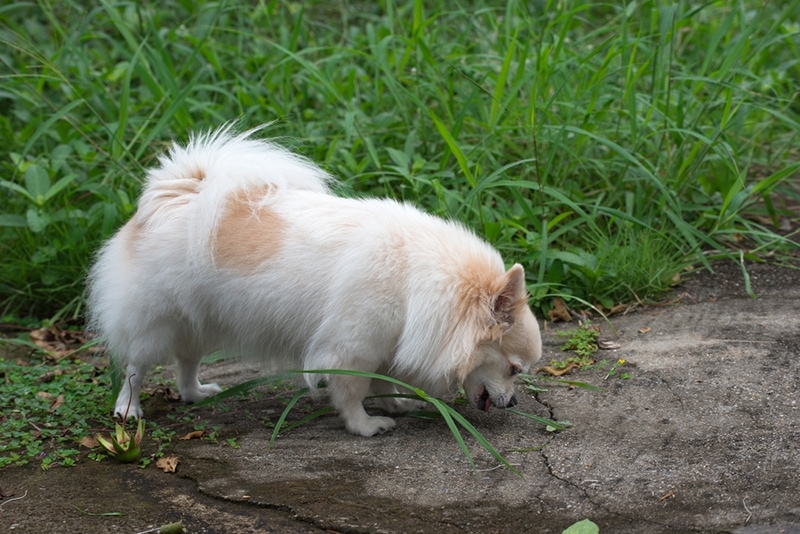
Dog Hiccups: Vet-Verified Causes, Care Guide & FAQ

In this article
Everyone gets a little irritated when they get hiccups, but it’s somehow funny when it’s someone else. When the hiccups strike your dog, though, is it similarly innocuous or a cause for concern? When should you be worried about your dog’s case of hiccups? The good news is that dog hiccups are usually no big deal and typically don’t need medical treatment. However, it can be accompanied by more serious signs that signify a greater health concern if they last more than a few hours or happen frequently. Let’s delve into all these questions, concerns, and more down below for your peace of mind.

What Are Hiccups?
Hiccups in dogs are caused by slight, rapid contractions in the diaphragm, which is the main muscle that moves air in and out of the body. In some individuals, the diaphragm can suddenly spasm and cause a hiccup. Specifically, hiccups are the audible result of the diaphragm contracting and the vocal cords suddenly closing. Depending on the exact cause of the hiccups, this involuntary contraction can repeat several times per minute for multiple minutes or even hours in rare cases. In the majority of cases, though, hiccups are harmless and mean nothing on their own for your dog’s health.

What Are the Signs of Hiccups?
Hiccupping itself is usually what you notice first, but it is also commonly accompanied by a laundry list of other signs. A harmless case of hiccups is usually easy to distinguish from hiccups as a result of a serious health condition, and it happens along with more serious health signs. To help you identify a case of hiccups, let’s break down what may happen with your dog alongside the obvious hiccup sound.
What Are the Causes of Hiccups in Dogs?
Just like hiccups in humans, there are numerous causes for them happening in dogs. Most are harmless or situational, while others can be more serious. Possible Causes of Hiccups in Dogs:
- Excitement or stress: Elevated heart rate, spiking cortisol levels, and rapid breathing caused by overstimulation or stress-related anxiety are thought to potentially cause hiccups.
- Eating or drinking too fast: Gulping food or water swallows air, which can cause an abrupt diaphragm contraction leading to hiccups.

How Do I Care for a Dog With Hiccups?
Hiccups normally don't require any type of medical treatment and will resolve on its own. In cases of prolonged hiccups, there are some ways you can help your dog feel more comfortable while the hiccups do their thing. Sadly, there’s no magical cure like holding their breath. Let’s look at some of those right below so you know what to do next time your dog has hiccups.
What to Do When Your Dog Has Hiccups:
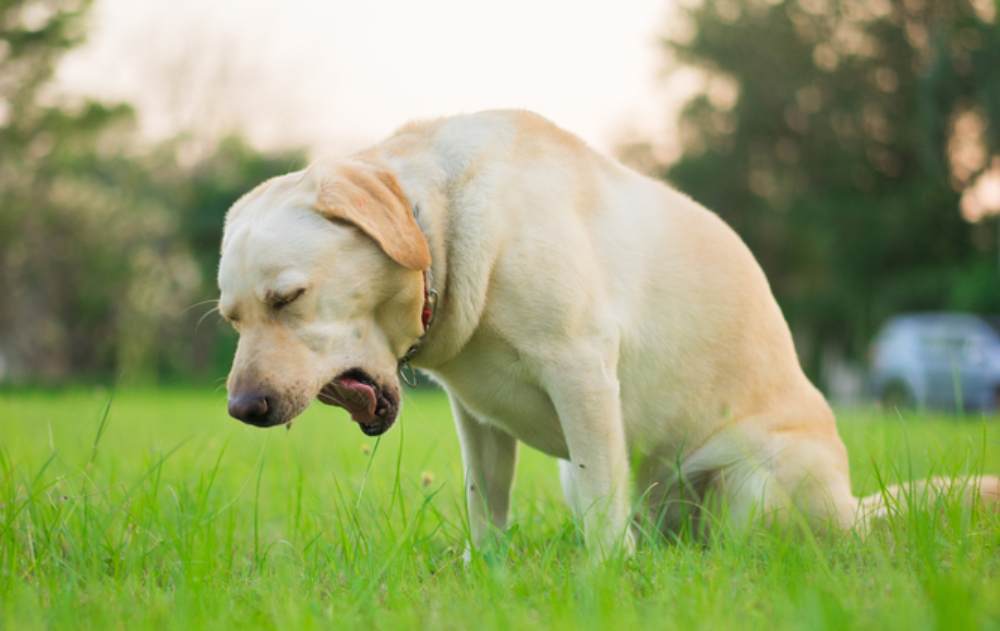
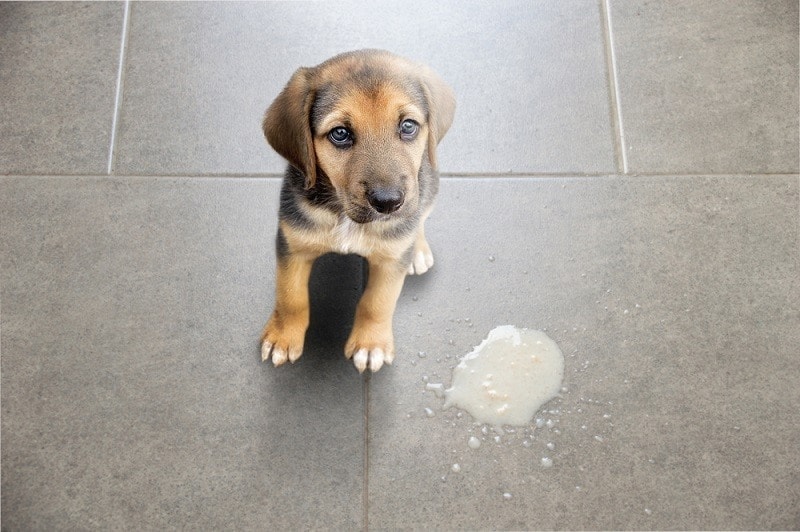
- Observe them for other signs: To make sure your dog is just having a harmless case of hiccups, watch out for serious signs, like sneezing, vomiting, or trouble breathing and wheezing.
- Offer water: Water can make your dog happy and calm, giving them a chance to regulate their breathing and work through their hiccups. Just make sure they do so slowly and calmly.
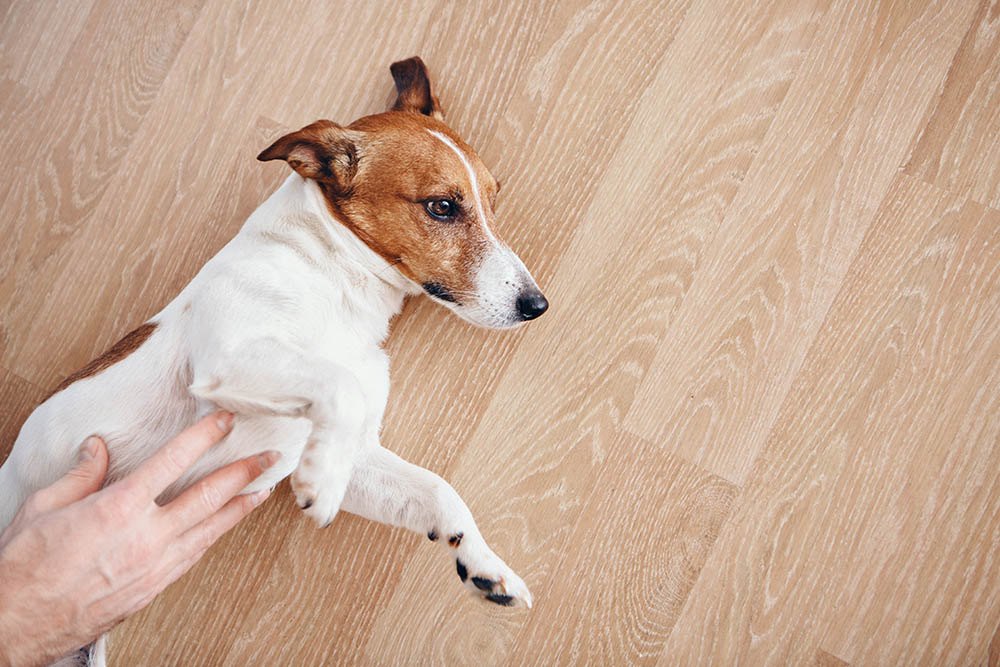
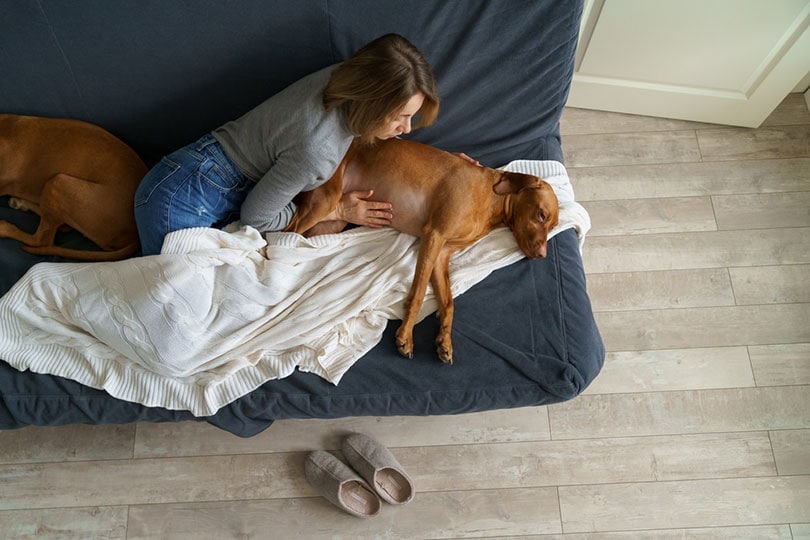
- Massage their chest: A light massage on your dog’s chest can stimulate calming reflexes that may help resolve hiccups.
- Get active: When all else fails, sometimes light exercise like a brisk walk can force your dog to change their breathing patterns, possibly solving their hiccups by smoothing diaphragm contractions.
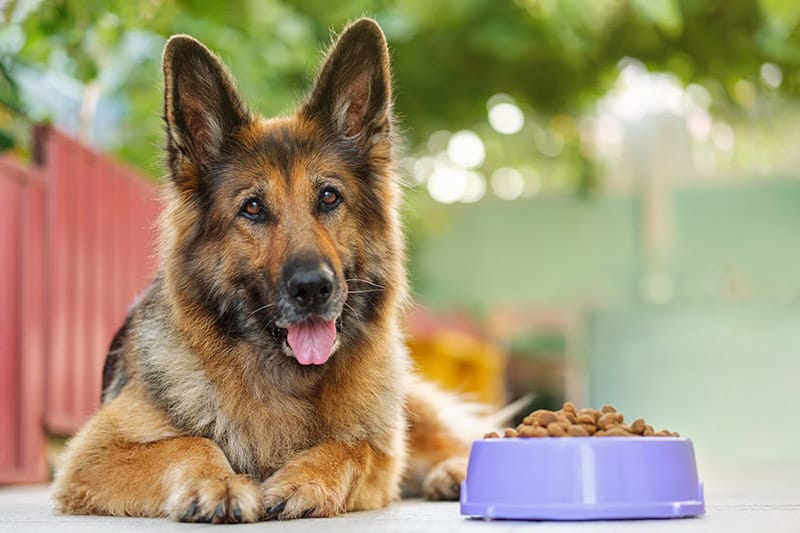
- Force them to eat slower: Slow-feeding bowls that force your dog to eat more slowly can prevent future cases of hiccups.

When to Worry About Dog Hiccups
If your dog’s hiccups recur for a long period of time or begin to occur alongside other concerning signs, it can be a sign of a larger underlying problem. If you notice hiccupping happening with any of the signs listed below, we recommend immediately consulting a vet for the next steps.
You Should Worry About Dog Hiccups When:
- Your dog is vomiting
- Your dog is frequently coughing and/or sneezing
- Your dog won’t eat or drink
- Your dog’s breathing sounds wheezy
- Your dog appears in pain
- Hiccups last longer than a few hours at a time
Frequently Asked Questions (FAQ)
Do Puppies Get Hiccups?
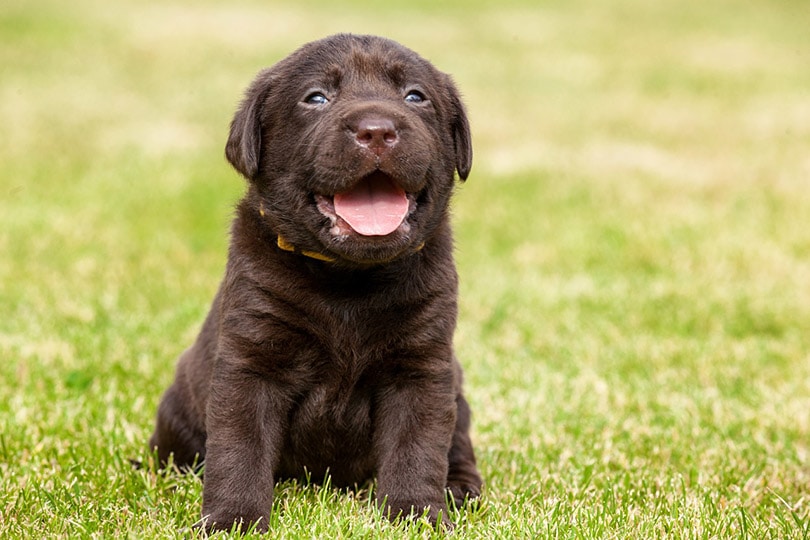
Yes, and in fact, puppies are thought to experience hiccups more often than adult dogs, possibly because they have immature diaphragms and are more prone to overexcitability than mature dogs. Puppy hiccups are totally normal!
Do Some Breeds Get Hiccups More Often Than Others?
Yes, brachycephalic breeds like the Pug and Bulldog are more likely to get hiccups than other breeds with “normal” canine anatomy.
Conclusion
Most of the time hiccups are just as harmless for dogs as they are for humans, requiring no medical intervention. Rarely, however, hiccups presenting along with respiratory symptoms or abnormally serious medical problems, like vomiting, can signify a major underlying health issue.
Sources
Featured Image Credit: sanjagrujic, Shutterstock
Expert dog care, straight to your inbox
Vet-reviewed advice, training tips, and the best of Dogster. Free, and you can unsubscribe anytime.
By signing up, you agree to our Terms & Conditions and Privacy & Cookies Policy.
Codee Chessher is a freelance writer whose motto is: there is nothing a well-worded sentence can't accomplish! He loves to write about pets, travel, DIY, and more. Codee's experience is varied, but the written word has always been his strongest and biggest passion.
Join the conversation
Ask a question, share your story, or send private feedback.