Borborygmi in Dogs: Vet-Reviewed Causes & Care Guide


In this article
The word “borborygmi” is the technical way of describing the gurgling sound coming from your gastrointestinal (GI) system. It’s embarrassing when it happens to us, as it often occurs when we’re with other people in a quiet room. However, dogs experience this too. Most times, it’s nothing to worry about, particularly if your pup isn’t showing any other signs of illness. But are there times when you should be concerned? Let’s get into all the details of borborygmi in dogs here.

What Is Borborygmi?
Borborygmi describes the sound caused by the contraction of the muscles in the stomach and intestines, which help move food along the GI tract. It’s as normal in dogs as it is in people. Being hungry can also cause you or your pet’s stomach to rumble, as when the GI tract is empty, these contractions propel air along, creating noise. When there is nothing in the GI tract to absorb the noise, these sounds can be heard more easily.

What Are the Causes of Borborygmi?
Borborygmi is normal most of the time, as gas and fluids are passed along the GI tract. If it is excessive, though, it might be a sign that something is wrong.
If you are concerned about the health and well-being of your pet, seek veterinary advice for the best course of action.
Where Does the Gas in the GI Tract Come From?
First, gas can diffuse into the GI tract from the bloodstream. Second, it can be produced inside the GI tract as a by-product of digestion. Finally, it can simply be from swallowed air (aerophagia). That may occur if your pup gulps their food, but strenuous exercise can also cause it when some air goes to the digestive tract instead of the respiratory system.
Aerophagia is common in short-faced or brachycephalic breeds like Pugs and French Bulldogs. Their short snouts make it more challenging for them to breathe normally, which can often explain their exercise intolerance. Excessive panting can lead to air in their gut and unpleasant noises.


How Do I Care for a Dog With Borborygmi?
Most dogs, like humans, will have these audible tummy gurgles after they’ve eaten or if they haven’t eaten for a long time. They are normal noises most of the time, but if the gurgles seem excessive or abnormal for your dog, it is worth getting your pet checked over by a vet. Most cases of loud borborygmi stem from the animal’s diet. Adult dogs don’t have a defined carbohydrate recommendation, though our pets can digest these food sources. Evolution and the development of three genes enable the digestion of starch and glucose to occur in dogs, unlike their wild ancestors. Fiber and grains aren’t fillers. Instead, they improve your pup’s digestive health by adding accessible nutrition to their diet. Some of these fibers are insoluble, though, which leads to gas formation in the colon. An excellent way to control borborygmi is to limit its production by feeding your dog a highly digestible, low-residue commercial diet. If the food that a dog eats is easily digested, it won’t spend too long inside the animal’s intestines and therefore, won’t ferment, which is where the gas is produced. The trick is to switch to a product that satisfies these requirements. The label on your dog’s food is the best place to start; it will point you in the right direction to do proper research into what your dog is eating. Looking at the ingredients isn’t always helpful, but ensuring that the diet is formulated by a certified veterinary nutritionist is.
Ingredients that can prove problematic include the following:
We’re not suggesting a grain-free diet. Remember that dogs tolerate carbs well. Instead, we recommend swapping the carbohydrate source for something that won’t contribute to gas production in your pup’s body. Other sources you can consider are barley and rice, which are easier for your pet to digest. A vet can also recommend a prescription diet with these alternative carbohydrate sources.
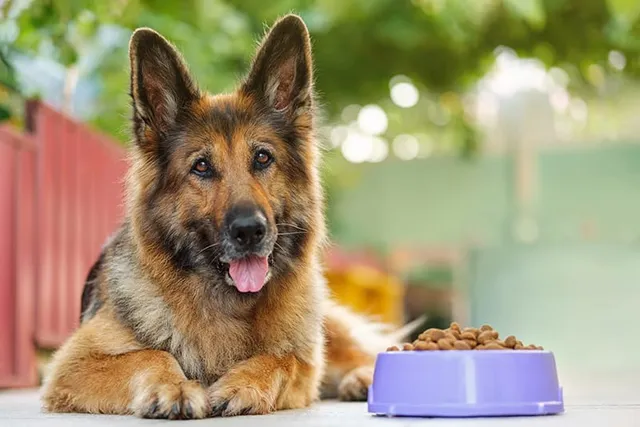
Other home remedies include frequent, small meals. Reducing the size of the meal can discourage your pup from gulping their food and swallowing air. Make sure your pup always has fresh water available to help food move through their GI tract. Another option is to replace your dog’s food bowl with a slow feeder. It will also prevent your pet from inhaling their food if they have to work for it.

When Should I Worry About Borborygmi?
We’ve discussed borborygmi from a nutritional standpoint as part of normal digestion. However, there are times when it can be a red flag. It could be a side effect of stress, which can increase panting and aerophagia, leading to borborygmi. It can be a reaction to a new food, supplement, or medication. That’s one reason that we suggest that you discuss your pet’s diet with a vet. Other less common but more serious causes include intestinal parasites or worms. If your dog goes outside, it’s difficult for them to avoid exposure. Inflammatory bowel disease and digestive enzyme imbalances are other potential causes. Emergencies that can cause a sudden increase in gut sounds include gastrointestinal blockages or bloat. Both of these conditions need to be dealt with quickly, so it is crucial that you know their signs. The difference between normal borborygmi and a sign of a severe condition is the presence of accompanying signs. Things to look for include the following:
- Loss of appetite
- Lethargy
- Vomiting
- Retching without vomit production
- GI distress
- Abdominal pain
- Fever

Frequently Asked Questions (FAQ)
How Does Stress Affect My Dog’s Digestion?
Stress triggers an animal’s fight-or-flight response. Their body focuses their energy on these activities and slows digestion. That can lead to more gas production. Alternatively, stress can cause a dog to pant excessively, which may lead to aerophagia and increased borborygmi.
How Will My Vet Diagnose and Treat Abnormal Stomach Noises?
It depends on what other signs your pup presents. A complete history will help the vet hone in on a potential cause. An ultrasound or X-rays can rule out causes like gastrointestinal blockage or bloat. A fecal test can identify intestinal worms, while bloodwork is a non-invasive way to help pinpoint issues. Treatment hinges on what the diagnostics reveal.

Is There Anything I Can Do to Prevent Borborygmi?
Dietary changes and your dog’s meal schedule are the best ways to prevent excessive borborygmi. However, it is a normal body process. If it’s a one-off occurrence, you can do watchful waiting if no other signs are present. Consult a vet if you have concerns.
Conclusion
Borborygmi is a big word that sounds scary but most often, is not a concern. Your pup may simply have been too excited at food time and swallowed air as they gobbled their meal. It may stem from their diet, with a gradual change of food solving the issue. The takeaway is to be alert for other signs of a problem. Normal borborygmi won't affect your dog’s behavior or appetite. However, consult a vet if you notice other issues.
Sources
Featured Image Credit: Tursk Aleksandra, Shutterstock
Expert dog care, straight to your inbox
Vet-reviewed advice, training tips, and the best of Dogster. Free, and you can unsubscribe anytime.
By signing up, you agree to our Terms & Conditions and Privacy & Cookies Policy.
Since 2009, Chris has written on a variety of topics. Her motto with all of her writing is “science-based writing nurtured by education and critical thinking.” She specializes in scientific topics, with a special love for health and environmental topics, and of course, pets of all shapes and sizes.
Chris lives happily with her husband and three cats in the land of 10,000 lakes, writing, wining, and boating as much as she can. She and her husband, Norm, were awarded the State of Kentucky Colonel Honor for their restoration work at Mammoth Cave National Park.
Join the conversation
Ask a question, share your story, or send private feedback.