13 Signs Your Dog Is Stressed, Depressed, or Sad (Vet Answer)

In this article
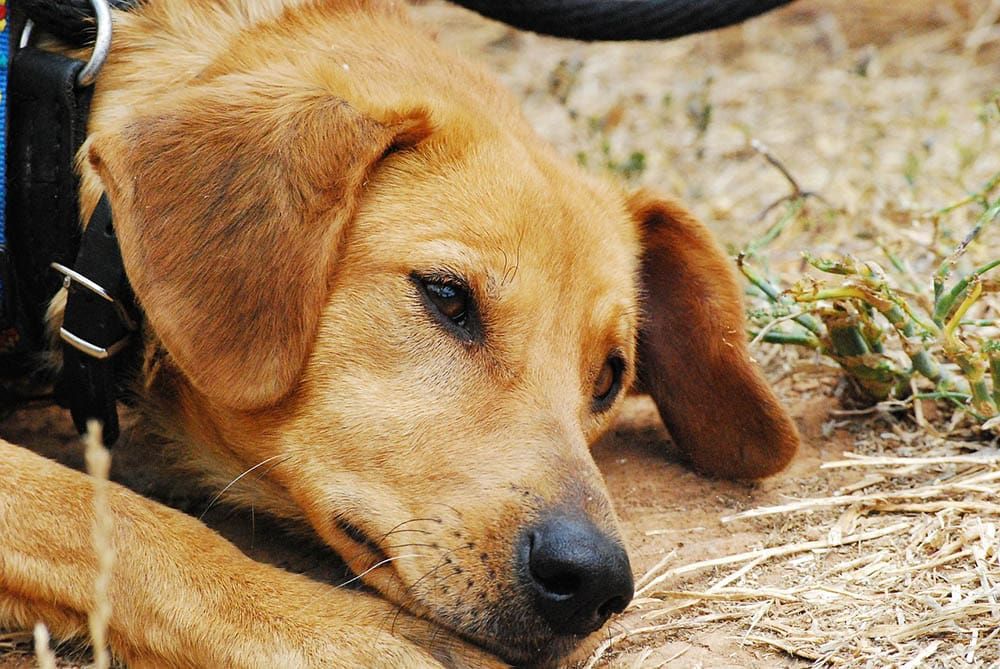
Just like people, dogs have rich interior lives and are capable of experiencing a wide range of emotions, both positive and negative. Dogs can’t speak, so they communicate their feelings in other ways. When a dog is stressed, depressed, or sad, their behavior changes. As a dog owner, it’s important to be able to recognize these signs so that we may take action and help alleviate these negative feelings in our canine companions before they lead to serious issues. Prolonged or chronic stress may compromise a dog’s overall health and welfare by weakening their immune system and causing behavioral issues.

What Causes Dogs to Become Stressed, Depressed, or Sad?
Feelings of stress, depression, and sadness are often triggered by periods of change or inconsistency in a dog’s life. A move to a new house, the addition of a new family member, such as a baby or a new pet, or the loss of an owner or companion can trigger feelings of anxiety and depression in a dog. A significant change to a dog’s daily routine, such as an owner working longer hours or spending long periods in a kennel or rehoming center, can also bring about feelings of stress or depression.
Dogs can also become stressed or depressed if they are not given an outlet for normal dog behavior, such as running, retrieving, sniffing, and digging. Stress is also commonly triggered by separation from an owner, loud noises, large or strange objects, or big groups of people.
Individual dogs will react in different ways to the same stressor. According to Clinician’s Brief, the way in which a dog reacts is determined by a particular dog’s environmental conditions, conditioning, genetics, and neurological adaptation. Stress or anxiety may be appropriate in some situations, such as a dog becoming stressed and fearful when faced by a wild animal, but detrimental in others, like a fear of people wearing hats.


The 13 Signs of Stress in Dogs
While some signs of stress and anxiety in dogs are obvious, others are more subtle. As dog owners, it’s important that we recognize these signs early on before they escalate into something more serious.
The most common symptoms of stress that you may see in your dog are as follows:
1. Reduced or Absent Appetite
Feelings of stress and anxiety can cause a dog to lose interest in food. If your once food-driven dog is now barely interested in eating dinner, it’s important to pay close attention. Stress and anxiety might be to blame, but there are also many medical issues that can cause a reduced or absent appetite. It is, therefore, important to get your dog checked by a veterinarian to rule out any underlying medical conditions before assuming that stress is the culprit.

2. Ears Pinned or Pulled Back
Your dog may pull or pin their ears back when feeling stressed or anxious. This is not always obvious in floppy-eared breeds.
3. Nose and Lip Licking, Yawning, Drooling
One of the more subtle signs of stress and anxiety that is easily missed is nose and lip licking, yawning, and drooling. These signs need to be interpreted in context. A dog in a relaxed environment that drools and licks its lips when offered a tasty treat is unlikely to be stressed, but if lip licking is accompanied by changes in body posture, pinned back ears, or panting, it likely indicates that a dog is experiencing stress and anxiety.
Medical issues such as dental disease or those causing nausea may also cause lip licking and drooling, so it’s important to get your dog checked by a veterinarian if these signs persist.
4. Changes in Body Posture Or Position
A stressed or anxious dog may cower or assume a crouched body position with their tail tucked under. A stressed dog may also become rigid or look or face away from the perceived threat.

5. Panting
Dogs pant when excited, hot, out of breath after exercise, or stressed. Panting due to stress often presents along with other signs of stress and anxiety.
6. Trembling and Shaking
Intense emotions, such as fear and anxiety, can cause a dog to tremble and shake. Pain and illness can also cause trembling and shaking, so it’s important to get your dog checked by a veterinarian if these signs persist after your dog calms down or is removed from a stressful situation.
Related Read: Possible Reasons Why Your French Bulldog Is Shaking
7. Increased Vocalization
It is normal for dogs to vocalize, but whining, howling, and barking may be intensified during periods of stress and anxiety. If your dog suddenly starts vocalizing more often, it’s important to rule out medical causes for their behavior before assuming stress is to blame.

8. Diarrhea
Stressful situations such as adoption, boarding at a kennel, moving, or separation from an owner can trigger a bout of diarrhea. The release of norepinephrine (the “fight or flight” hormone) affects the gastrointestinal tract of a dog, resulting in a bout of diarrhea.
Usually, stress-induced diarrhea is transient and should clear up within a few days on a diet of bland food. Because diarrhea can have many causes, if your dog’s diarrhea increases in intensity or severity, has blood in it, is accompanied by other signs of disease like vomiting or reduced appetite, or does not improve within a day or two, your dog should be examined by a veterinarian.
A vet will be able to advise you on the best course of action to ensure the well-being of your pet.
9. Inappropriate Elimination
If your once fully housetrained dog starts urinating and defecating indoors, it could be a sign of stress. Some dogs may eliminate in the home due to loss of control when anxious. House soiling could also indicate a medical problem, such as a urinary tract infection or fecal or urinary incontinence, so it’s important to get your dog checked by a vet to identify the cause. Remember that dogs do not house soil out of “spite,” so punishing your dog might make this behavior worse or lead to other behavioral issues.
10. Repetitive or Compulsive Behaviors
Prolonged periods of stress and anxiety can lead to compulsive behaviors that serve no purpose other than to help a dog cope with stressors such as too little exercise and isolation. For example, a chronically stressed dog might repetitively lick at one or more of their limbs in an attempt to self-soothe. Other compulsive behaviors include tail-chasing or spinning, air-licking, or flank-sucking.
Some of these behaviors may have an underlying medical cause, such as pain from osteoarthritis causing repetitive licking at a limb, so it’s important to get your dog checked by a veterinarian if they start displaying repetitive behaviors.


Signs of Depression or Sadness in Dogs
It is common for dogs to experience bouts of depression or sadness during periods of change, such as the loss of an owner or companion. However, many serious medical conditions can also cause your dog to appear sad or depressed. Your first course of action should be to get your dog checked by a veterinarian if they display any of these signs to rule out an underlying disease.
11. Decreased Appetite
A dog’s appetite may become decreased or even absent when they experience feelings of sadness or depression. As mentioned before, your dog may also experience a change of appetite when stressed. In general, sadness and depression present differently from stress and anxiety, so it’s important to interpret these signs in context. A change in appetite should always be taken seriously, as it can be a sign of an underlying medical condition.
See Also: Do Dogs Grieve Other Dogs?
12. Low Activity Levels
If a usually active dog becomes lethargic or spends greater amounts of time sleeping, it could indicate that they are depressed. Conditions that cause pain could also be responsible, such as osteoarthritis in older dogs.

13. Withdrawal
If your dog loses interest in things that they once loved, like walks or playtime, it may be a sign of depression. Dogs that are depressed or sad may also become withdrawn and no longer interact with people and other animals in the same way that they once used to. As mentioned before, withdrawal may be a sign of underlying disease.
What to Do if Your Dog Is Showing Signs of Stress, Depression, or Sadness
In certain situations, feelings of stress and anxiety are entirely appropriate. In these cases, removing your dog from the stressful situation should be enough to alleviate their feelings of stress. If your dog is showing signs of stress or anxiety more frequently or in inappropriate situations, it’s important to take action. Early recognition and intervention are keys to preventing feelings of distress from escalating and causing behavioral issues.
The first step is to get your dog checked by a veterinarian to rule out any medical causes for their behavior. If your dog receives a clean bill of health, work with a veterinarian or credible behavioralist to help recognize the triggers and apply appropriate interventions. Some dogs may need a combination of medication and behavioral modification.

Conclusion
All dogs, including those experiencing negative emotions of stress, depression, or sadness, will benefit from sticking to a routine of sleeping, feeding, exercise, and play. Providing regular daily opportunities for exercise and mental stimulation is also beneficial.
Next on your reading list:
Featured Image Credit: Pixabay
Expert dog care, straight to your inbox
News, insights, expert advice, and everything dog.

No spam — unsubscribe anytime.
By signing up, you agree to our Terms & Conditions and Privacy & Cookies Policy.
How useful was this post?
Click a star to rate. You can leave written feedback afterwards. (We read all feedback.)
Dr. Joanna Woodnutt BVM BVS (Veterinarian)
Joanna is an experienced veterinarian living in the United Kingdom. She has written about pets and their health for many blogs, pet magazines and pet websites and loves to help pet parents understand their pets through her writing.
She enjoys passing knowledge to clients, so a career in writing, public education and pet health is the perfect combination for her.
She has started her own freelance company so she can help more pet parents than just the one standing in front of her in a consultation room.