Why Do Dogs Need Anesthesia for Teeth Cleaning? Vet-Verified Facts & FAQ


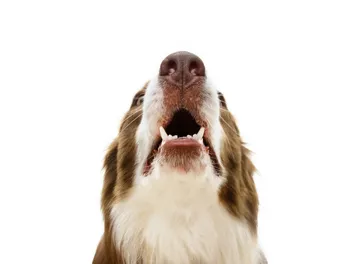
It should be no secret that our pets require regular dental care. We know what you’re thinking: If wolves don’t need their teeth brushed, then why do I need to brush my dog’s teeth? Dogs’ wild ancestors possibly were in better condition because predation helped clean their teeth from gnawing bones and other materials. Domestication has made oral health a mainstay of petcare, especially as we are now equipped to detect dental disease through various common procedures such as annual physical exams, and dental x-rays. Periodontal disease is common among our animal companions, making dental cleaning necessary.
Many questions come into play when we take our dogs in for a dental cleaning. For instance, why does your dog need anesthesia to do so? While doing a dental cleaning without anesthesia is possible, it isn’t as efficient or safe. It’s worth noting that the American Veterinary Dental College and the American Veterinary Medical Association do not recommend this option. Of course, every procedure has risks. We’ll cover both sides of the issue to make this guidance clear.

Pros of Putting Your Dog Under Anesthesia During Teeth Cleaning
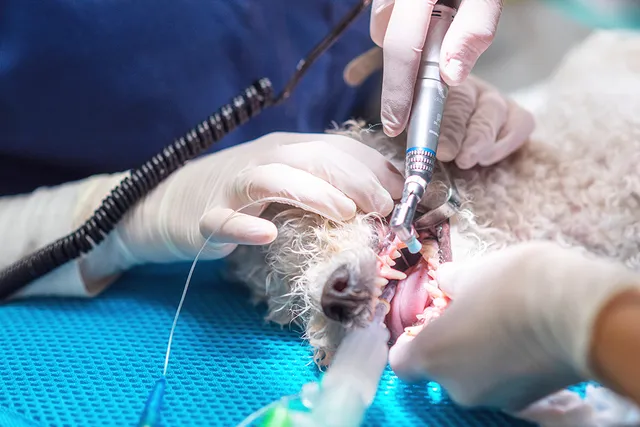
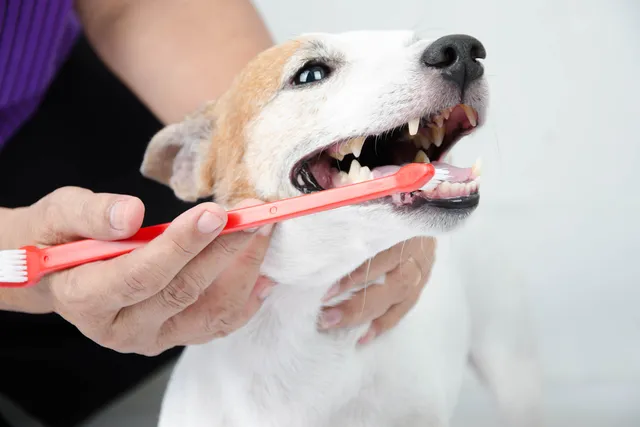
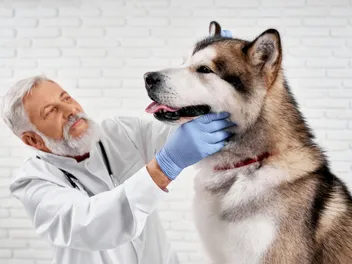
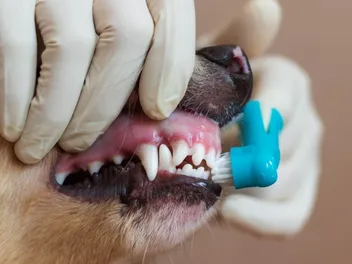
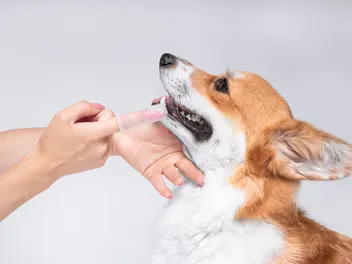
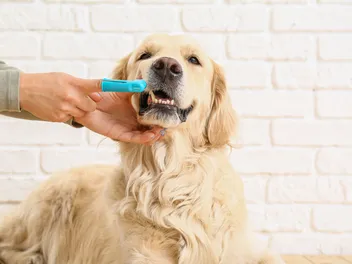
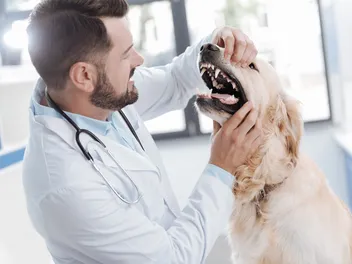
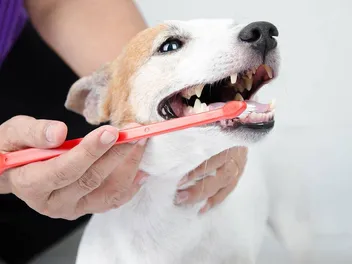
Let’s begin with the process after anesthesia. Your vet will examine your dog’s mouth, noting any visual signs of disease. They will remove tartar under the gumline and check the gingival pockets. They will also take X-rays and extract teeth as necessary. It is the anesthesia that makes these actions possible without worrying your pet. Think of how stressful it may be trying to brush your pup’s teeth or clip their nails, for instance.
A veterinarian or vet tech can do everything that needs to be done without stressing your dog or fighting with them. There’s less risk of injury to the people working on your pooch because they have a patient who isn’t fighting their every move, thus making it safer for your pet as well. Many vets will take advantage of this situation to perform other procedures on your dog, such as microchipping, nail clipping, or ear flushing.
A genuine risk of injury also exists. The tools your vet uses are sharp. A dog fighting the procedure can increase the chances of problems, and the alternative isn’t much better. Even the most docile pup will likely resist the necessary restraint to make it safe. The next time, it will probably mean a greater fight because of a bad experience. It can also become more costly to do dental cleanings more frequently, so it’s best to let your dog use the anesthesia, get your pet’s teeth thoroughly cleaned, and perform anything else that is necessary while they’re under.

Risks of Anesthesia
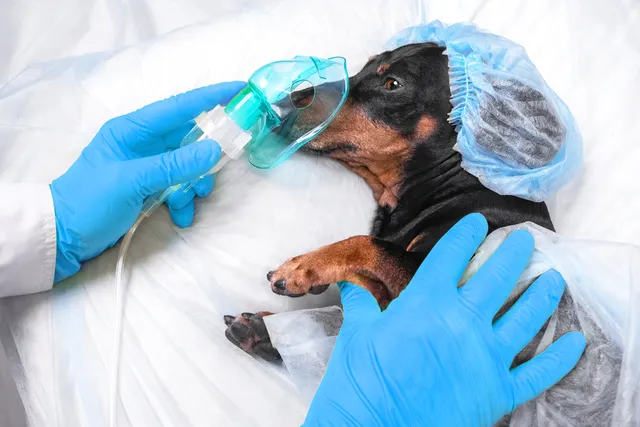
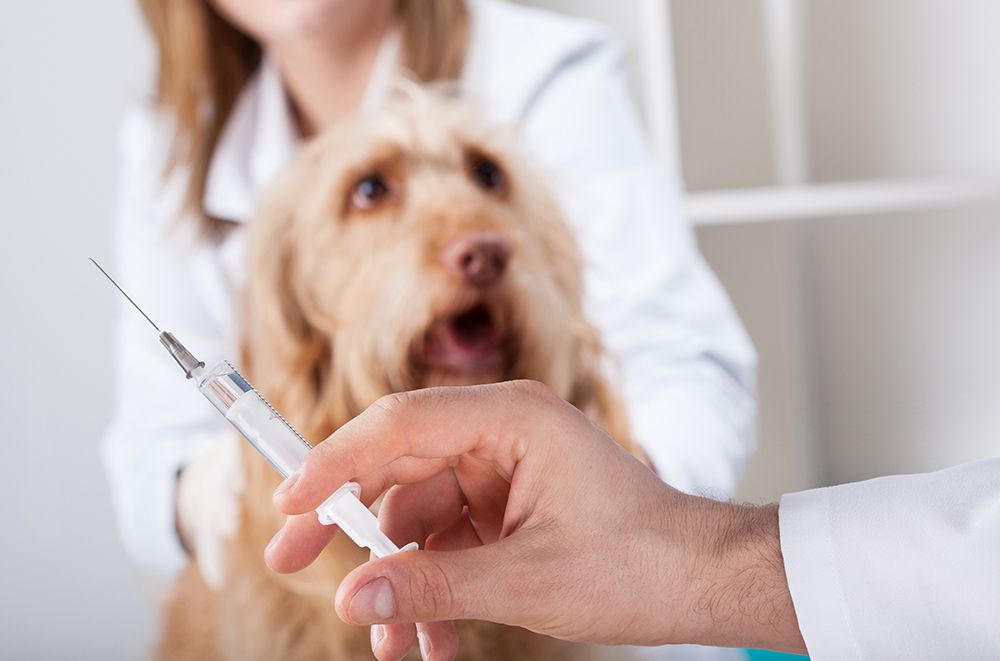
Of course, anesthesia has its risks. Pets may have an anesthetic reaction, which is a serious, sometimes life-threatening complication. However, issues are generally considered uncommon. Remember that your vet will conduct a pre-surgical examination and bloodwork to assess your dog’s risk. Their team will monitor your pup through the entire procedure and recovery. Your vet can use tools such as the American Society of Anesthesiologists (ASA) Physical Status classification to further assess your pet’s risk. This information can help them monitor your dog correctly. It will likely take several hours to a day for your pup to recover fully from the anesthesia. They may sleep a lot and seem groggy. Many pets have a loss of appetite during this time. Monitoring your dog during this time is essential. We suggest keeping your pooch separated from any other pets in your home until they recover fully. Another thing to consider is that dental cleaning with anesthesia is considerably more expensive than the procedure without it. It’s understandable when you consider the extra labor involved. And without anethesia, other procedures such as dental x-rays or extractions cannot be performed, limiting or even negating the use of non-anesthetic dental cleanings. Pet insurance may or may not cover dental care, so check your policy for specifics.
Final Thoughts
Anesthesia has its risks, but it’s the safest way for your vet to perform a thorough and safe dental cleaning on your pup. While it costs more, this option is the best one for preventing unnecessary injuries and stress for your dog. It gives your vet time to examine and treat your pooch with less hassle. Being able to get several services done while under makes it a worthwhile choice for both of you!
See also: Why Did My Dog Die Under Anesthesia?
Sources
Featured Image Credit: Ground Picture, Shutterstock
Expert dog care, straight to your inbox
News, insights, expert advice, and everything dog.

No spam — unsubscribe anytime.
By signing up, you agree to our Terms & Conditions and Privacy & Cookies Policy.
How useful was this post?
Click a star to rate. You can leave written feedback afterwards. (We read all feedback.)
Since 2009, Chris has written on a variety of topics. Her motto with all of her writing is “science-based writing nurtured by education and critical thinking.” She specializes in scientific topics, with a special love for health and environmental topics, and of course, pets of all shapes and sizes.
Chris lives happily with her husband and three cats in the land of 10,000 lakes, writing, wining, and boating as much as she can. She and her husband, Norm, were awarded the State of Kentucky Colonel Honor for their restoration work at Mammoth Cave National Park.