Are There Risks Cleaning Older Dogs’ Teeth? Our Vet Explains

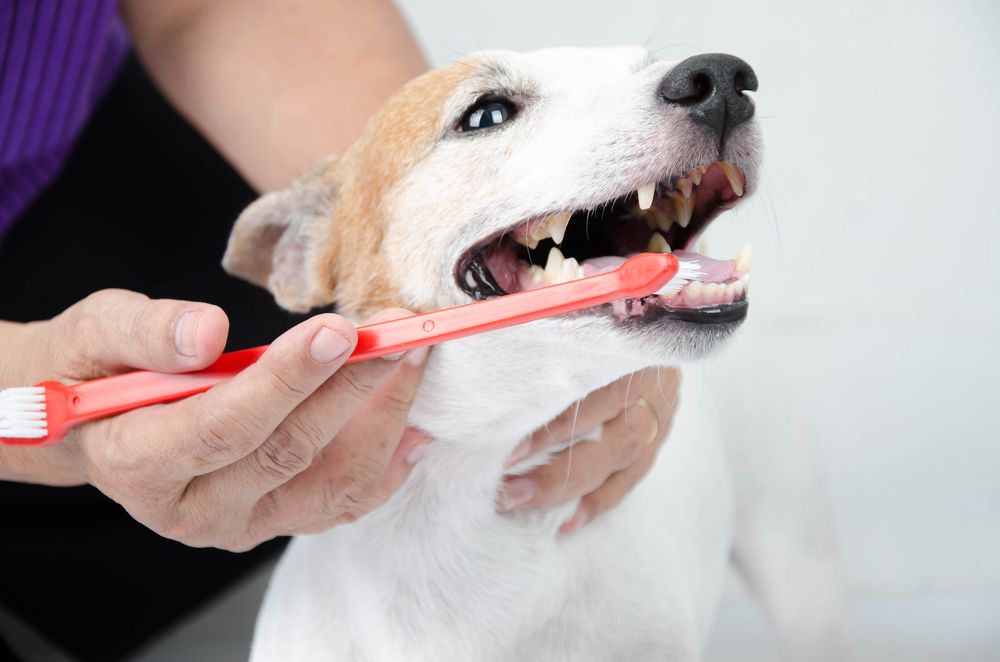
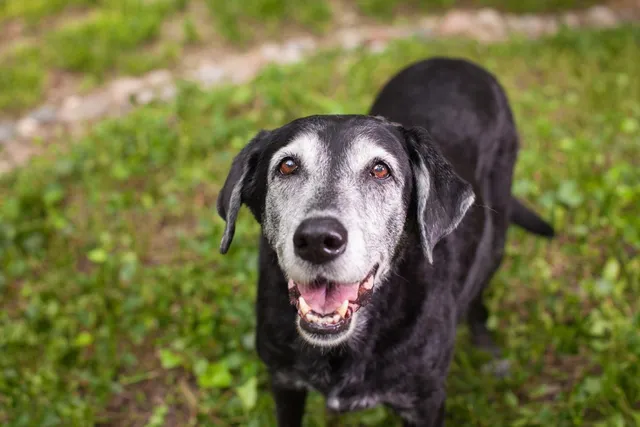
Should older dogs receive dental care? The short answer is absolutely! It’s just as important in older dogs as in younger dogs. While older dogs may be more susceptible to anesthetic risks, your veterinarian can access and monitor your pet closely to determine whether they can safely be placed under anesthesia.
Quality dental care is essential for dogs of all ages and breeds because it can improve and positively impact their quality of life.

Why Is Dental Care Important?
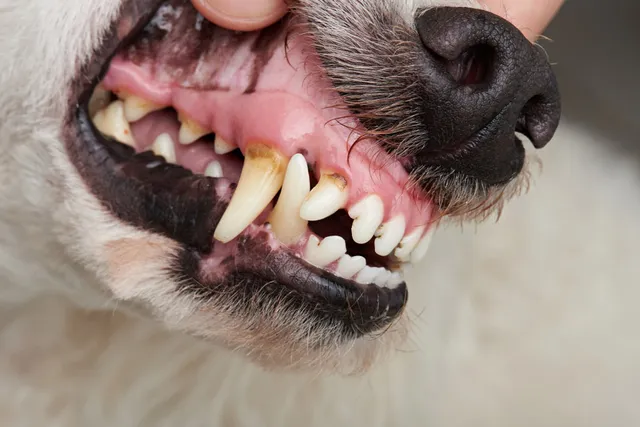
Routine professional dental care is important because periodontal disease is common in canines. In fact, by 2 years of age, approximately 80% of dogs already have periodontal disease.1 This form occurs when food material and bacteria collect along the gum line, which forms plaque that eventually hardens into tartar. This irritates the gums, causing inflammation called gingivitis, which can progress if untreated.
Dogs can hide their pain well, and many adapt to the chronic degenerative and inflammatory changes in their mouths. As periodontal disease progresses, it can lead to pain, difficulty eating, tooth loss, and bone reabsorption and can negatively affect other organ systems within the body as the bacteria spread throughout the bloodstream.
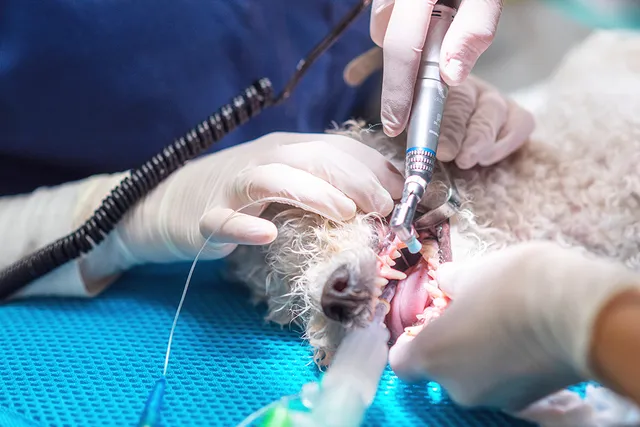
Performing a dental evaluation under anesthesia is essential because it provides a stress- and pain-free dental experience for your dog, which includes a complete oral exam, full mouth dental X-rays, teeth cleaning, and any necessary extractions or other oral surgical procedures. Approximately 60% of the tooth lies below the gum line, so a thorough dental evaluation with anesthesia is required to identify any diseased teeth.

The 5 Anesthetic Risks for Senior Dogs
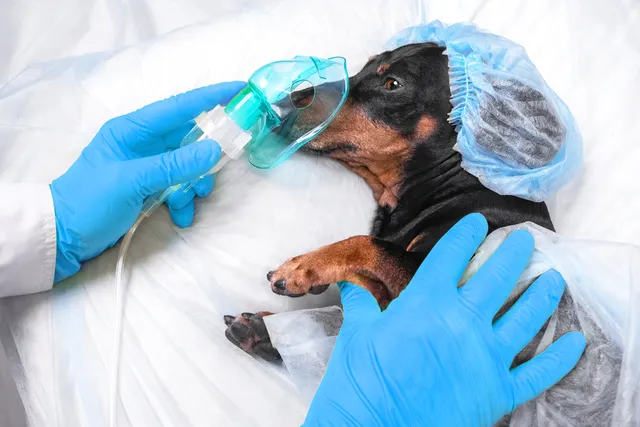
Dog owners often worry about the anesthetic risks associated with older pets. However, thorough planning by your veterinarian can help minimize complications and risks for your senior dog if they’re undergoing anesthesia for a dental cleaning. A complete physical examination, comprehensive medical history, blood work, chest radiographs, heart ultrasound, and personalized anesthetic drug protocols can be customized for each individual pet. Dedicated anesthesia technicians also often closely monitor seniors. Monitoring equipment is used to identify any cardiac, respiratory, or body temperature changes that may occur while your dog is under anesthesia.
That said, it’s true that older dogs can be more sensitive to the effects of anesthesia because of the normal deterioration of body functions as a dog ages and underlying diseases that may complicate a good anesthetic outcome. It is estimated that the risk of anesthetic death can increase as much as seven times for dogs older than 12 years of age.
Anesthetic complications of older dogs include the following risk factors.
1. Cardiovascular System Issues
Complications include low blood pressure (hypotension), decreased heart contractility, low heart rate (bradycardia), arrhythmias, higher resting heart rate, longer circulation time, vasoconstriction, and congestive heart failure.
2. Respiratory System Issues
Complications include low blood oxygen levels (hypoxemia), hypoventilation, hypercapnia, and pulmonary edema.
3. Kidneys and Liver Issues
Older animals can have slower drug metabolism and clearance from their system, and vasoconstriction can further reduce blood flow to the kidneys and liver.

4. Neurologic Issues
Older animals can be at risk for a drug overdose, excessive anesthetic depth, and prolonged recoveries. Geriatric dogs require a lower anesthetic dose.
5. Issues Related to Body Fat
Anesthetic drugs may take longer to be effective in overweight senior dogs due to the increased volume of distribution and lower dosage requirements. Similarly, underweight geriatric dogs have less body fat and reduced muscle mass, which increases hypothermia risks. Hypothermia can impair heart function, decrease the drug required for anesthesia, increase recovery time, and cause shivering, which in turn, can worsen pain and increase oxygen demand.
If you are concerned about the health and well-being of your pet, seek veterinary advice for the best course of action.
Conclusion
Dental care is vital for maintaining a happy and healthy quality of life for your dog. However, older canines can be susceptible to anesthesia risks due to the physiological changes of aging and underlying health risks. Your veterinarian can best prepare your pet by developing a specific pre-anesthetic plan for them, identifying and correcting any underlying health issues, and diligently monitoring your dog during anesthesia and in recovery.
While procedures requiring anesthesia can be risky for any dog, it is especially important to pay special attention to older dogs in order to provide the best outcomes. Remember, though, age by itself is not a disease, nor is it the sole reason to avoid anesthesia for necessary procedures.
Sources
Featured Image Credit: Littlekidmoment, Shutterstock
Expert dog care, straight to your inbox
News, insights, expert advice, and everything dog.

No spam — unsubscribe anytime.
By signing up, you agree to our Terms & Conditions and Privacy & Cookies Policy.
How useful was this post?
Click a star to rate. You can leave written feedback afterwards. (We read all feedback.)
Dr. Stacie Grannum DVM (Veterinarian)
Dr. Stacie Grannum was born and raised in Arizona, USA. When she was a little girl, an encounter with a little animal changed her life forever. A tiny bird fell high from its nest, and Stacie diligently cared for it. Sadly, despite her best attempts to save it, the baby bird did not survive. From this devastating loss came a new ambition, carving the path that Dr. Grannum followed. She knew that she wanted to pursue a career in veterinary medicine. She worked hard toward that goal and dedicated her time to pursuing the field.
Today, her focus is on pet health, particularly wellness and preventive medicine. She also enjoys writing about pet health and is eager to share what she has learned over the year with other animal lovers.
In 2014, Dr. Grannum earned her Doctor of Veterinary Medicine Degree from Colorado State University.