How to Help an Old Dog With Bad Teeth: Vet-Verified Tips & Care Guide


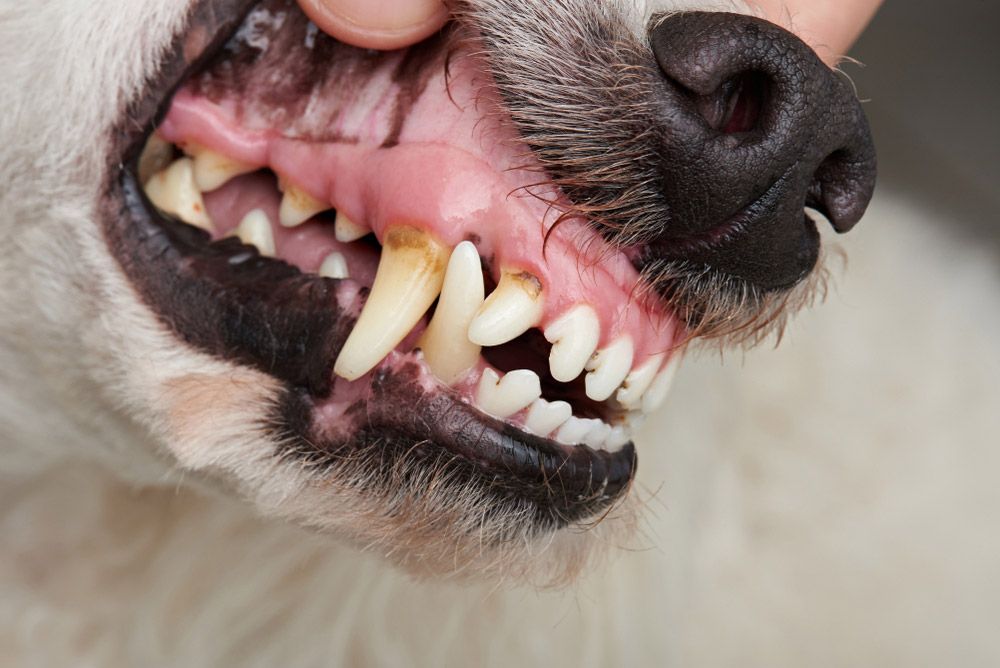
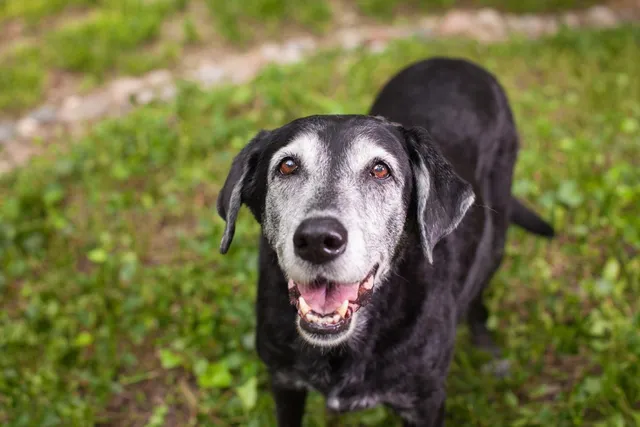
Dental health is a key part of a dog’s overall health. Unfortunately, dental disease is a common, but often overlooked problem, especially in older dogs. According to the American Veterinary Medical Association (AVMA), around 80% of dogs have some form of oral disease by the time they are three years old. Smaller dog breeds are at increased risk due to genetics, smaller mouths and overcrowded teeth and a tendency to chew less often.
As well as the discomfort, bad breath and tooth loss that comes with bad teeth, periodontal disease is also linked to other serious health issues such as heart disease, and can reduce a dog’s lifespan. However, it is never too late to start taking dental health seriously. Here are five ways to help an old dog with bad teeth.

How to Help an Old Dog With Bad Teeth
1. Recognize the Signs of Bad Teeth
Dogs can be experts at hiding discomfort, just because they are still eating does not mean that all is well with their teeth. In order to help your senior dog with their bad teeth you have to recognize signs that may indicate there is a problem.
Signs of dental disease and gum problems include:
2. Take Them to the Veterinarian

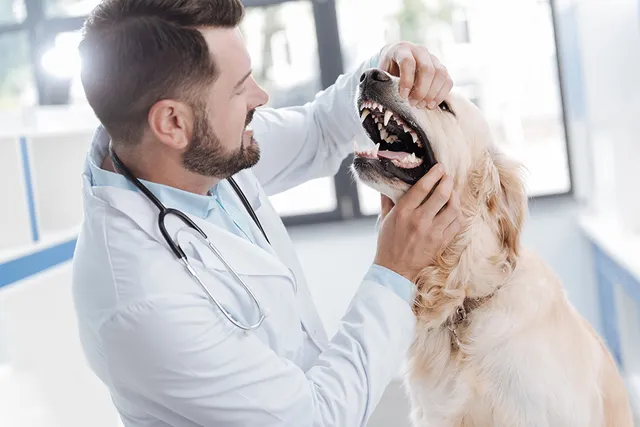
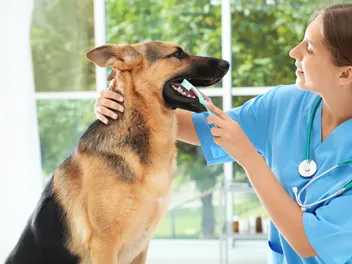
If you are concerned about your dog’s oral health and teeth, the first thing you need to do is get them checked by their veterinarian. The treatment for bad teeth will very much depend on the type and stage of the dental disease, and your vet will be able to give advice specific to your dog. General anesthesia for a full oral exam with dental X-rays may be needed to assess the problem fully. Professional veterinary dental cleaning is the only way to remove hardened tartar from the surface of the teeth and plaque buildup under the gumline.
There has been an increase in groomers and other people offering to clean dogs' teeth, and this can help them look shiny and clean, but remember that they cannot clean below the gum line, where many of the problems lurk. This sort of cleaning is only appropriate after a dental health check-up with a vet.
3. Follow Tooth Removal Advice
Unfortunately, for many senior dogs with bad teeth, the result is going to be tooth extraction. In some cases, senior dogs will need multiple teeth removed, and sometimes, it can even be the majority of their teeth. This might sound sad or scary, but you should follow the advice of your veterinarian. Dogs can get by without a majority of their teeth. You might need to change the way you feed your dog, but having fewer teeth is preferable to having rotting or broken teeth, which can lead to dangerous infections and is very painful. Unlike people, dogs do not get self-conscious about their smiles.
4. Regular Tooth Brushing

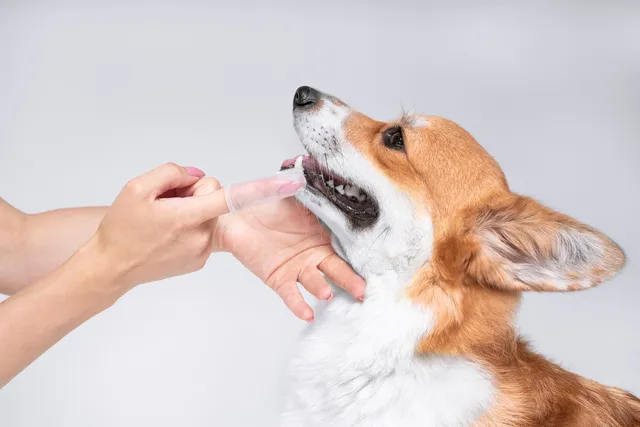
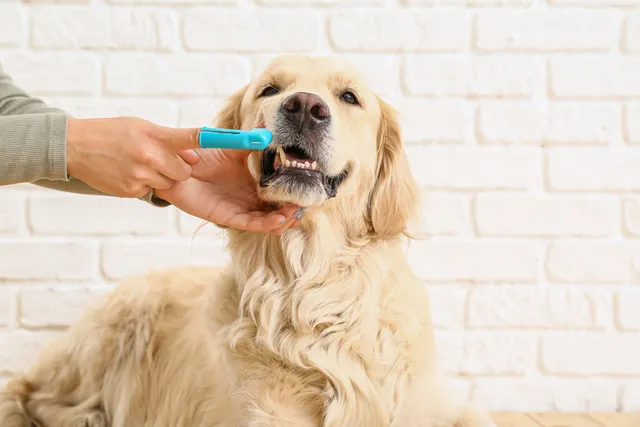
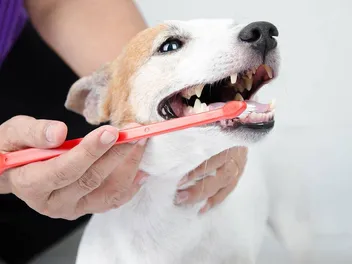
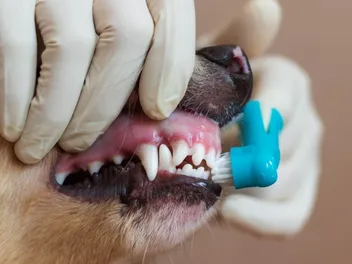
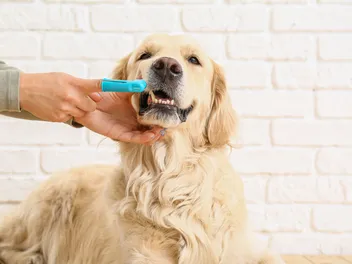
As well as following your vet’s recommendations for professional cleaning and extractions, brushing at home is the best way to provide good dental care. Plaque forms in as little as six hours after your dog has had their teeth cleaned. Daily brushing is best, but two or three times a week is better than nothing. Be sure to use a special dog toothpaste, human toothpastes are not suitable for canines.
5. Consider Their Diet
The Veterinary Oral Health Council lists food, treats and chews, (as well as toothpastes and gels) that have been scientifically proven to be effective in reducing plaque and/or tartar accumulation. Some are specially formulated for senior dogs, too.
However, if your senior dog has lost a lot of teeth, either through them falling out or dental extractions, you may need to consider soaking their food or swapping to wet food so that they can eat comfortably. Your veterinarian is the best source of information for the most appropriate food for your senior dog to keep them happy and healthy and reduce the risk of bad teeth.
Risks of Ignoring Bad Teeth in Dogs
Bad teeth are associated with gum disease. Periodontal disease, caused by irritation and inflammation of the gum line and surrounding areas, leads to pain, gum erosion, and loss of supporting bone and teeth. Over time, this destruction can even lead to the weakening of the jaw bones and sometimes even a broken jaw in small breed dogs. Eating may also become uncomfortable, and your dog may lose weight due to a reluctance to eat.
Unfortunately, the risks of ignoring periodontal disease don’t stay confined to your dog’s mouth. Bacteria from the mouth can enter the bloodstream and cause issues with major organs. Periodontal disease has been linked with an increased risk of heart disease. The risk of infective endocarditis (infection of the heart valves and endocardium) has been shown to be up to six times higher for dogs with Stage 3 periodontal disease, compared with the risk for dogs without periodontal disease.

How Old Is Too Old?
Veterinary dental cleanings and extractions require that a dog be put under anesthesia for the procedure. Veterinarians reduce the risk associated with this by doing pre-anesthetic screening and closely monitoring your pet throughout the process. Overall, the risks of anesthesia are usually far less than the risks associated with untreated dental disease, but every dog will be assessed individually as every dog is different.
Regular veterinary checkups, at least every 6 months in senior pets, are essential to pick up teeth problems before they progress and require more invasive treatments.
Conclusion
If you’re dealing with senior dog teeth issues, hopefully, you found this article helpful. It is not uncommon for senior dogs to have bad teeth. In fact, it is extremely common, especially in small dogs or particularly old dogs. Dental health should not be ignored, and it is never too late to focus on their dental health. These five tips will help you improve your dog’s dental health no matter what age they are or how bad their teeth are.
See also:
Sources
Featured Image Credit: PixieMe, Shutterstock
Expert dog care, straight to your inbox
News, insights, expert advice, and everything dog.

No spam — unsubscribe anytime.
By signing up, you agree to our Terms & Conditions and Privacy & Cookies Policy.
How useful was this post?
Click a star to rate. You can leave written feedback afterwards. (We read all feedback.)