Can Dogs Live Without Teeth? Adaptation, Prevention & Vet-Approved Care Tips


In this article
Unfortunately, dogs can lose teeth for many reasons, and some may even lose most or all of them throughout their lives, causing many pet owners to wonder if dogs can live without teeth. The short answer is yes, they can, and many have long, happy lives.
However, toothless dogs do need extra care, so here, we discuss how to help your dog adapt to life without their teeth, the importance of dental health, and what you can do to help reduce the risk of your pet losing their teeth.

Helping Your Dog Adapt to Life Without Teeth
Adjust Their Diet
If your dog loses all their teeth, you will need to switch them to a wet food diet instead of dry kibble, which will likely be too hard for them to chew. Choose a brand that has real meat like chicken or turkey listed as the first ingredient. Look for the Association of American Feed Control Officials statement on the label, which states that the food meets minimum nutritional requirements for canines. It should also be correct for your pet’s age, as manufacturers formulate their products differently for puppies, adults, and seniors.

Experiment With Their Food
Experiment with different flavors and textures to see what your dog prefers. Some dogs might enjoy lightly blended meals that are easier to lap up, while others might prefer their food in small, manageable pieces that are soft enough to swallow but still have texture. Finding the right food can help them enjoy their mealtimes just like they used to.
Keep the Gums Healthy
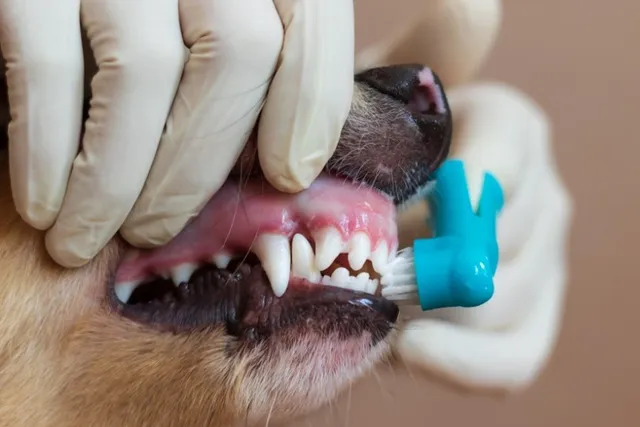
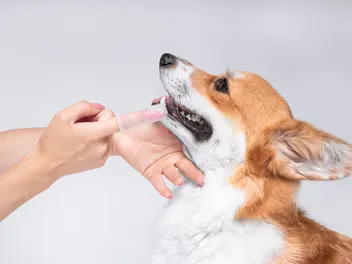
Even if your dog doesn’t have any teeth, you’ll need to keep the gums healthy to avoid any further problems. Cleaning out the mouth three times a week should help prevent any infections. Use a toothbrush and dog-safe mouthwash to clean the mouth. Soft chew toys instead of hard or sharp ones are better for dogs with no teeth, while regular checkups at the vet will alert you to any potential trouble.

Preventing Dental Issues in Your Dog
Establish a Dental Care Routine
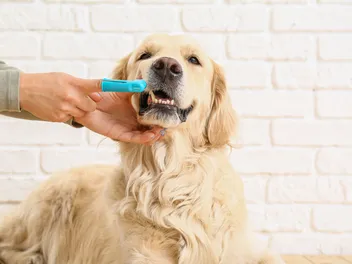
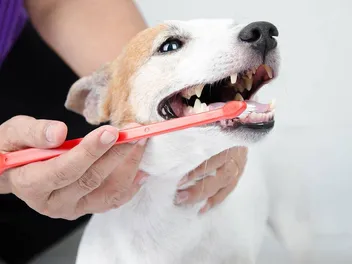
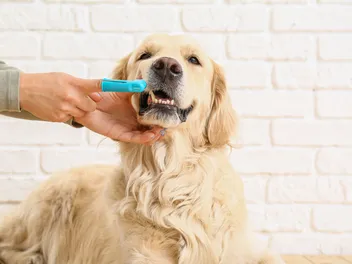
Introduce tooth brushing to your dog as a puppy, if possible, when their mind is more open to the idea of trying new things. Use a dog-specific toothbrush and toothpaste, and make it a positive experience with plenty of praise and treats. Staying consistent with a quick, daily brushing will help get them into a routine that carries into adulthood.
Use Veterinary Oral Health Council Approved Products
Dental treats are chewy dog treats that are designed to prevent and reduce plaque from the action on the teeth. Treats approved by the Veterinary Oral Health Council are proven to be effective. There are also water additives, dry kibbles, wipes, and supplements aimed at improving the oral health of dogs.

Get Professional Care and Cleanings
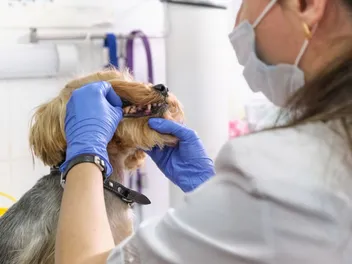
Veterinary dental cleanings can seem expensive, but they’re vital for maintaining your dog’s dental health. These cleanings can prevent severe dental issues and potential tooth loss later.
Frequently Asked Questions
How Often Should I Brush My Dog’s Teeth?
It would be best to try to brush your dog’s teeth every day. However, if that isn’t possible due to scheduling conflicts, you should aim for at least a few times per week.

What Are the Signs of Dental Problems in Dogs?
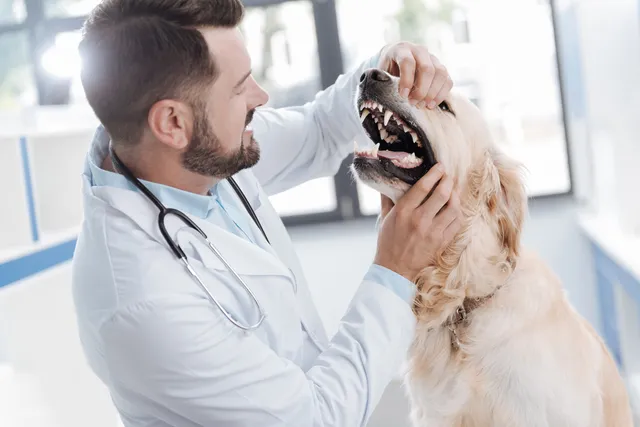
Signs of dental issues include drooling, bad breath, difficulty eating, pawing at the mouth, and visible tartar on the teeth. If you notice any of these, you’ll need to schedule a visit with the veterinarian.
Do All Dogs Have Dental Problems?
Dental issues are serious for dogs, with some sources reporting that 80% of dogs over 3 have a form of dental disease. Although it doesn’t always result in tooth loss, you should still take steps to slow its progression in order to prevent pain, bone loss, and other problems.
What Should I Do If My Dog Loses Their Teeth?
If your dog loses a tooth unexpectedly, it’s a good idea to schedule an appointment with the vet to rule out underlying health issues or other damage, especially if it was lost in an accident.
Summary
Unfortunately, some dogs will lose some or all of their teeth in their lifetime, which can make it difficult for them to enjoy many of the foods that they used to eat. You will likely need to switch them to wet food to help them get the nutrition that they need to stay healthy. Fortunately, there are as many wet food brands as there are kibble brands, so it shouldn’t be hard to find one that your pet enjoys.
You can help reduce the risk of your dog losing teeth by frequently brushing their teeth with a dog-safe toothbrush and toothpaste and taking them for regular checkups to get their teeth examined and cleaned.
Sources
Featured Image Credit: smrm1977, Shuttertock
Expert dog care, straight to your inbox
Vet-reviewed advice, training tips, and the best of Dogster. Free, and you can unsubscribe anytime.
By signing up, you agree to our Terms & Conditions and Privacy & Cookies Policy.
Ed Malaker is a seasoned writer who has contributed to a wide range of blogs covering everything from tools to guitars, and pets to fitness. When Ed isn't writing, he is usually making DIY projects around the house or working in the garden.
Join the conversation
Ask a question, share your story, or send private feedback.