How to Clean Your Dog’s Teeth: 5 Vet-Approved Tips


In this article
Cleaning your dog's teeth can be a daunting task, especially if your pooch hates it. But it's an important part of keeping him healthy, as he can develop dental diseases linked to bacteria that thrive in a poorly or uncleaned mouth. So no, it's not just about keeping his breath fresh: cleaning your dog's teeth is an essential task on the list of regular grooming care.
But it doesn't have to be a nightmare for you and your precious four-legged friend. Learn how to keep your dog's mouth clean and fresh by following these simple steps, while making the experience enjoyable for everyone.

Before You Start
Gather the essential tools to make cleaning your dog’s teeth a breeze:
- Dog toothbrush
- Dog-safe toothpaste
- Chew treats

Here are some examples of dental health products for dogs approved by the Veterinary Oral Health Council (VOHC):
Dental diet (plaque, tartar):
Rawhide chews (tartar):
Edible chew treats (plaque, tartar):
Toothbrush and toothpaste kit:
Now that you have all the products in hand, you can declare war on the nasty bacteria that inhabit the mouth of your beloved dog!

How to Clean Dog’s Teeth in 5 Simple Steps
1. Go to a Quiet Room With Your Dog
The last thing you want is for your other dogs, cats, or even your children to distract your dog while you introduce him to a dental routine. So, grab your dog's favorite blanket and head to a quiet room where you can have his full attention.
2. Use Wipes to Get Your Dog Used to Gums Handling

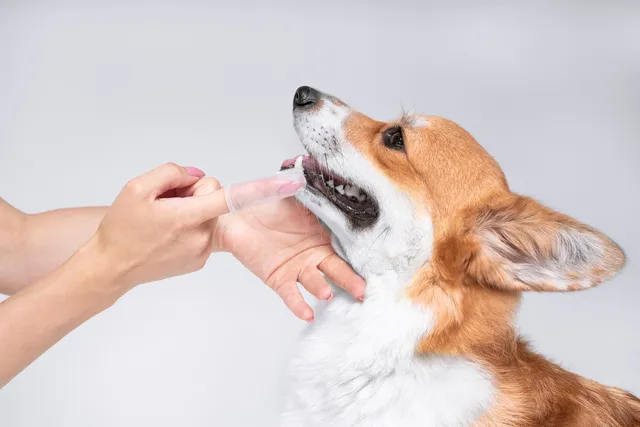
Before introducing your dog to the toothbrush, you can start by getting him used to teeth and gum handling. This process is called desensitization, and you can do it at any age, although it's most effective when your pet is still a puppy:
However, know that desensitization may take longer for some dogs, and some may never fully get used to it. Thus, if your pet refuses any contact with his teeth, it is better to leave his dental care to your veterinarian.
3. Familiarize Your Dog With the Toothbrush and Toothpaste
The goal is to create a positive association between your dog and these new products so that he does not perceive them as "instruments of torture".
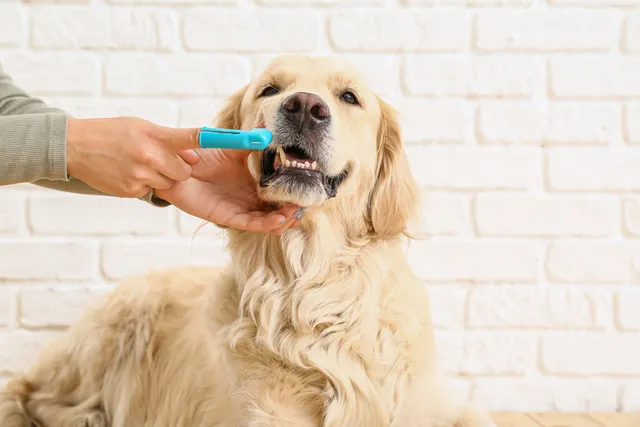
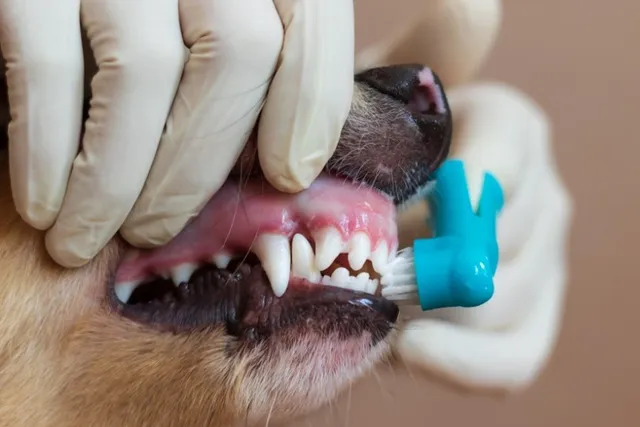
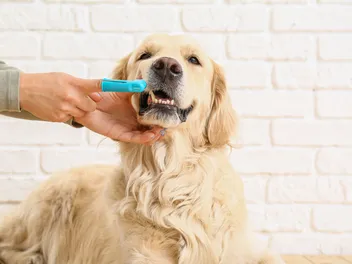
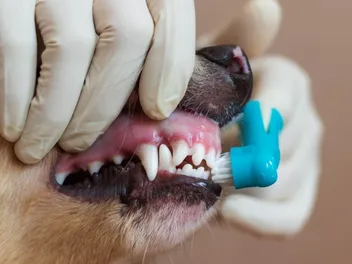
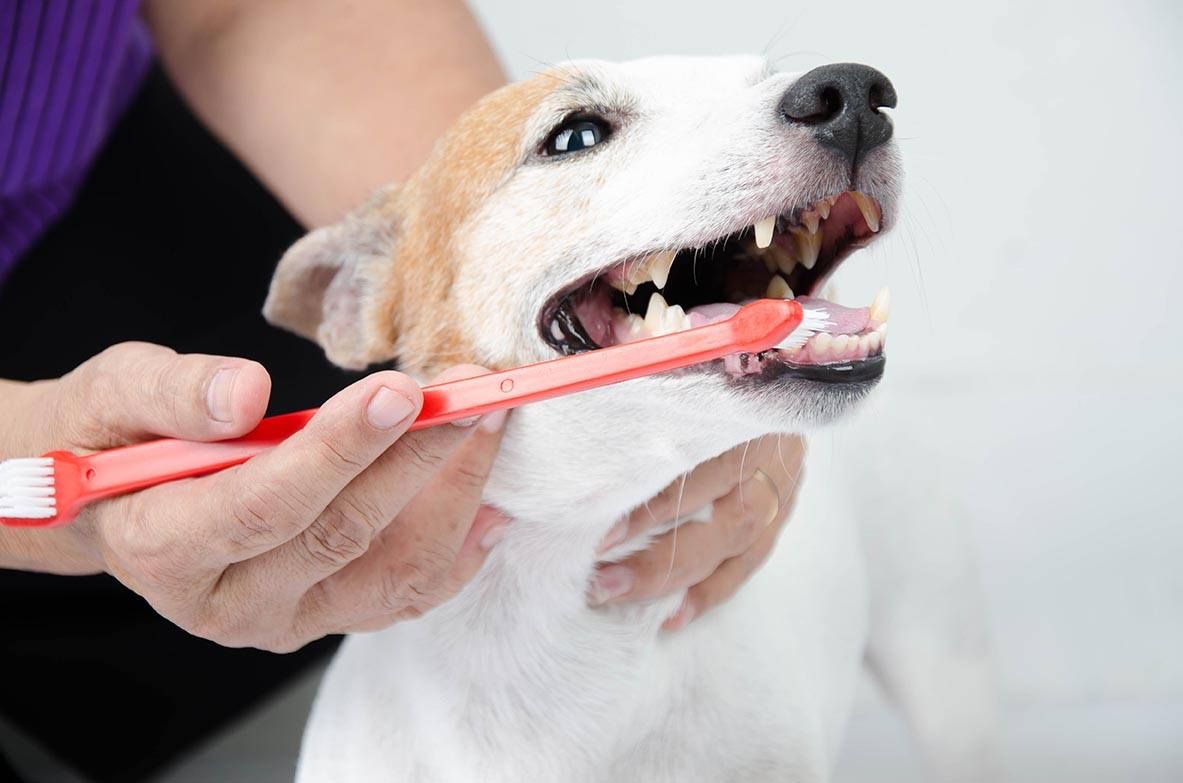
4. Brush Your Dog's Teeth

Once your dog is comfortable with the toothbrush and toothpaste, it's time to clean his mouth properly.
Note: It is strongly recommended that you brush your dog's teeth daily or every other day to reduce plaque buildup and tartar formation.
5. Use Other Dog Dental Care Products
Despite all your patience, gentleness, positive praise, and rewards, some dogs will never get used to brushing their teeth. In these cases, you may need to consider other dental care options, such as dental chews, sprays, water additives, or even chew toys.
However, it is best to discuss the appropriate options for your pet with your veterinarian beforehand. For example, if your dog is overweight, giving him high-calorie dental treats every day will not help his condition!
How to Prevent Your Dog From Getting Oral Diseases
Dogs can develop oral diseases, such as cavities or bleeding gums, as young as 3 years old. Additionally, periodontal disease, an inflammation of the tooth's supporting tissues, is the most commonly diagnosed disease in pets. In fact, according to the American Veterinary Medical Association, more than 80% of dogs show signs of canine periodontal disease by the age of three. Even worse, this disease can cause health problems to your dog's kidneys, liver, and heart.
However, although this disease is common, progressive, and painful, it is also preventable and even reversible at an early stage of the condition.
So, when brushing your dog's teeth daily, be on the lookout for signs of possible oral disease:
You also need to schedule annual dental examinations with the vet. However, if you notice the above signs, get your dog checked out sooner, as prevention is the best cure.
Note: Even if your dog appears to have healthy teeth, be aware that many dental diseases occur below the gum line where you cannot see them. This is another reason not to skip annual vet checkups.

Final Thoughts
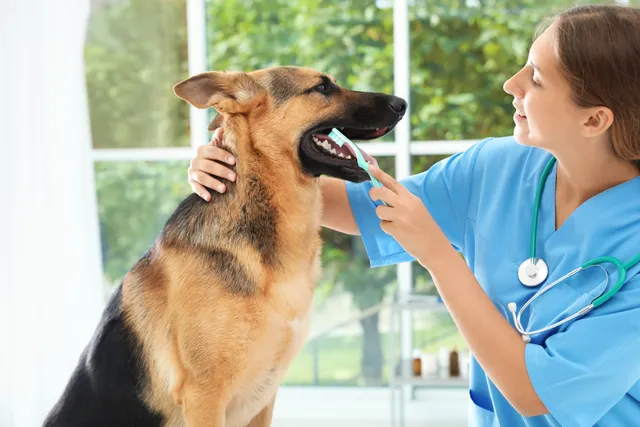
Brushing your beloved dog's teeth regularly is a necessity to keep him healthy. However, with the right tools and techniques, this process can be an enjoyable experience and even strengthen your bond with your pet. But, if in doubt about the best dental care products or methods to use, always ask your veterinarian for advice.
See Also:
Sources
Featured Image Credit: Littlekidmoment, Shutterstock
Expert dog care, straight to your inbox
Vet-reviewed advice, training tips, and the best of Dogster. Free, and you can unsubscribe anytime.
By signing up, you agree to our Terms & Conditions and Privacy & Cookies Policy.
A biologist and science writer, Genevieve has a special fondness for capuchin monkeys, pumas, and kangaroos, which has inspired her to volunteer and work at wildlife rehabilitation centers in countries like Bolivia, Guatemala, Canada, and Australia. Now living as a Canadian expat in Argentina, she enjoys the sight of horses and cows outside her home office window every morning. Genevieve is the proud owner of three rescue dogs—Lemmy, Nala, and Pochi—and a lively kitten named Furiosa. She finds happiness and fulfillment in sharing her passion and extensive knowledge of animals with others.
Join the conversation
Ask a question, share your story, or send private feedback.