How to Groom a Pomeranian: 9 Vet-Verified Tips


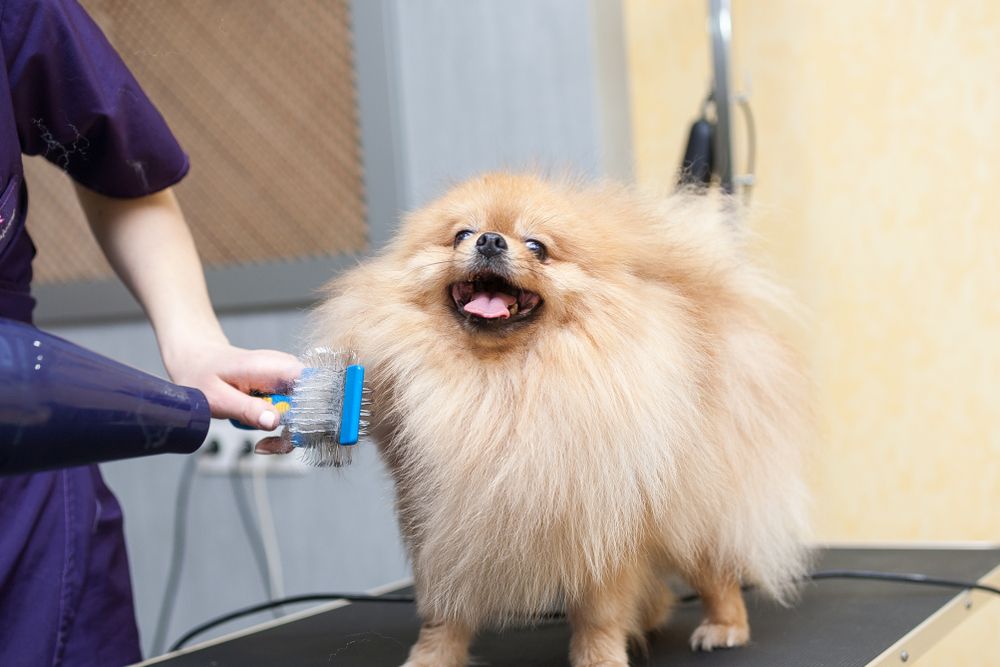
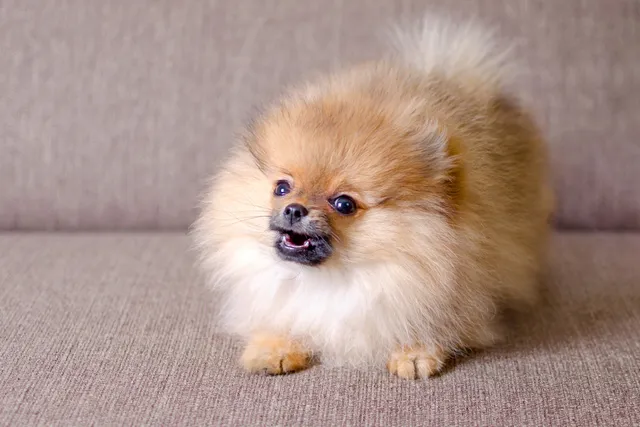
Pomeranians may be small in stature, but these little dogs come with big personalities. They are fun and joyful pups that love to share their love and affection with their people. They do require very regular grooming to maintain the health of their coat and skin, though.
Pomeranians are known for their large, fluffy coats, but that coat can become a problem, leading to matting, skin infections, and skin irritation if not cared for properly. How to groom a Pomeranian can be a tricky question, but we've got some tips to help you out.

The 9 Tips on How to Groom a Pomeranian
1. Brush Regularly

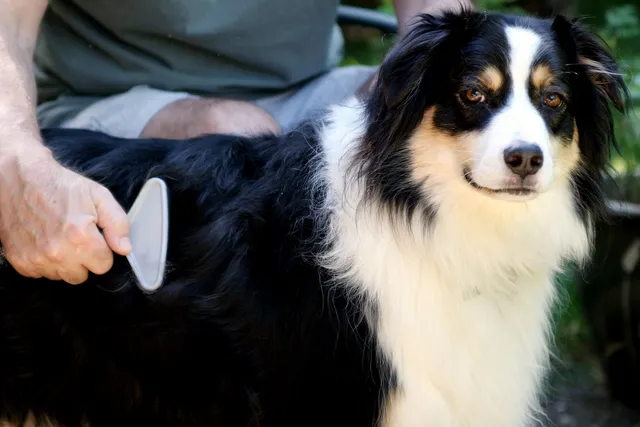
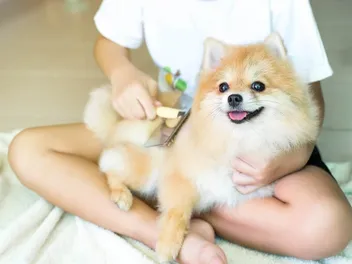
It’s typically recommended to brush your Pomeranian daily to maintain the health of the coat. In general, every other day is also suitable, as long as you stick to a routine. If something occurs that breaks the routine you’ve set and your dog’s coat becomes severely tangled or matted, then you may need to consult a professional groomer for help.
If your dog does something that may lead to tangles in the coat, like swimming or rolling in leaves and sticks, then an additional brushing should be done to detangle the coat and prevent major tangles or mats.
2. Brush Properly
A good brush technique is needed for grooming a Pomeranian properly. If you don’t brush them correctly, then you may be missing deeper tangles in the coat and loose hairs that need to be removed. This can lead to mats or buildup deep in the coat and against the skin.
It’s recommended to not brush completely dry hair on a Pomeranian since this can create static and strip oils from the coat, but it may be necessary between baths. Make sure to use a detangling or coat conditioning product to help protect the coat as you brush. Brush from the skin and outward, away from the body. This will help break up mats without damaging the coat.
3. Use the Right Tools

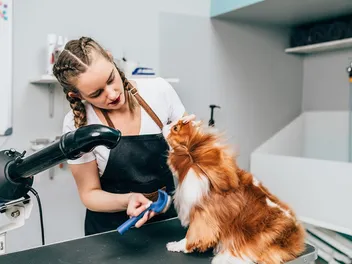
The tools you use in grooming a Pomeranian can make or break the experience and efficacy of your efforts. A firm bristle brush, wire pin brush, or grooming comb can all be used to groom a Pomeranian. Using the wrong type of brush will be just as ineffective as using the brush incorrectly.
You should also invest in other tools to help you keep your dog groomed, like nail clippers, a hand-held shower head for baths, and high-quality grooming products.
4. Give Routine Baths
Bathing your Pomeranian will help maintain the health of the skin and coat. There is such a thing as bathing too much, though! If you bathe your Pomeranian daily or weekly, you will strip the natural oils from the skin and coat, leading to dryness and irritation of the skin, as well as dryness and breakage of the coat.
Baths should be done as needed, like if your dog is dirty. Otherwise, it’s a good idea to aim to bathe your Pomeranian no more than every 3 weeks or so, unless you are directed otherwise by a vet to treat a medical condition. Between baths, using a dry shampoo formulated for pets is a good way to moisturize the skin and coat while keeping your dog clean.
5. Bathe Properly

Like brushing your Pomeranian, there is a correct and incorrect way to bathe your Pomeranian. It’s important to select high-quality shampoo and conditioner that are formulated specifically for use on dogs. Also, keep in mind that Pomeranians have a very thick coat that may trap shampoo, conditioner, and even moisture.
It’s extremely important to make sure your dog is thoroughly rinsed in the bath, avoiding leaving any shampoo or conditioner on the skin. You should also have a microfiber towel and a dryer that you can use to ensure your dog’s coat is fully dry, even near the skin.
6. Try a Leave-In Conditioner
Conditioners that are formulated to be left on the coat are a good way to maintain the health of your Pomeranian’s coat. Leave-in conditioners can be applied before brushing to protect the coat during brushing sessions, and they can also be applied after baths to ensure the coat and skin are thoroughly moisturized and not stripped or irritated from the bath.
7. Give Trims as Needed

It’s not uncommon for Pomeranians to need a little trimming from time to time. They tend to get long fur between the toes and paw pads, which can become matted or collect debris and cause skin irritation. They also may have long, fluffy hair around their back end, which can lead to urine and feces getting caught in the coat.
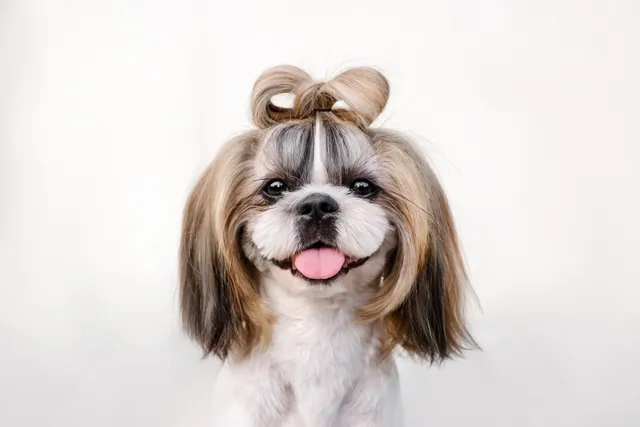
Hygiene trims and food trims can help to ensure your dog stays healthy and clean. More intensive trims to shape the coat can be done at home, but a professional groomer can also do this for you if you’re unsure how to provide the proper cut.
8. Trim the Nails
Most dogs need a nail trim performed routinely, so you’ll need to keep an eye on your Pomeranian’s nails and trim them as needed. Nails that are too long are prone to breaking, which can be extremely painful and lead to infections in the nail bed. They can also impact the way the foot and toes bear weight, leading to joint problems in the feet and legs.
How frequently your dog needs nail trims will depend on their activity level, the type of ground they regularly play and exercise on, their nutrition status, and their genetics. Some dogs may need a nail trim every week or two, while others may only need them once a month or so.
9. Maintain Dental Hygiene

All dogs need help maintaining their dental health, and many dogs don’t receive routine teeth brushing at home. Implementing routine teeth brushing during your brushing or grooming sessions can help maintain the health of your Pomeranian’s teeth and mouth. This is especially important with this breed because they tend to be prone to developing dental disease. Only use enzymatic toothpaste that is formulated for dogs, though, because human toothpaste can be dangerous for them.

Conclusion
These breeds may require routine grooming at home, but a groomed Pomeranian is worth the extra effort for many people. These dogs are loving and fun, but without proper grooming and coat management, they may develop skin and coat problems, as well as other problems, like dental disease and broken nails.
When you’re lost in caring for your Pomeranian’s coat, a professional groomer will be able to help guide you and provide services to keep your dog healthy and comfortable.
See Also:
Sources
Featured Image Credit: Yemets, Shutterstock
Expert dog care, straight to your inbox
News, insights, expert advice, and everything dog.

No spam — unsubscribe anytime.
By signing up, you agree to our Terms & Conditions and Privacy & Cookies Policy.
How useful was this post?
Click a star to rate. You can leave written feedback afterwards. (We read all feedback.)
Brooke Billingsley spent 9 years as a veterinary assistant before becoming a nurse in 2013. She lives in Arkansas with her boyfriend, and loves all animals; currently sharing a home with three dogs, two cats, five fish, and two snails. She has a soft spot for special needs animals and has a three-legged senior dog and an internet famous cat with acromegaly and cerebellar hypoplasia. Fish keeping has become a hobby of Brooke’s and she is continually learning how to give her aquarium pets the best life possible. Brooke enjoys gardening and keeps a vegetable garden during the summer months. She stays active with yoga and obtained her 200-hour yoga teacher certification in 2020. She hosts a podcast focusing on folklore and myth and loves spending her free time researching and writing. Brooke believes that every day is an opportunity for learning and growth and she spends time daily working toward new skills and knowledge.